Made with
ConceptDraw
DIAGRAM 18

UML Flowchart Symbols

The Unified Modeling Language (UML) is an accepted standard, universal modeling language widely used in the field of software engineering and software development. Initially destined for the object-oriented documentation design, now it is used much more widely.

The UML is based on the notations of the Booch method, the object-modeling technique (OMT) and object-oriented software engineering (OOSE), and allows successfully visualize the blueprints and display a graphical view of software system's structure on the UML diagram, applying the common set of notations - UML flowchart symbols.

The UML diagram is a powerful tool which lets visually represent all system's components, the interactions between them and relationships with external user interface. Use of UML flowchart symbols helps easy represent the system's requirements and subsystems, logical and physical elements, structural and behavioral patterns.

There 14 types of UML diagrams, each of them has its own purpose:

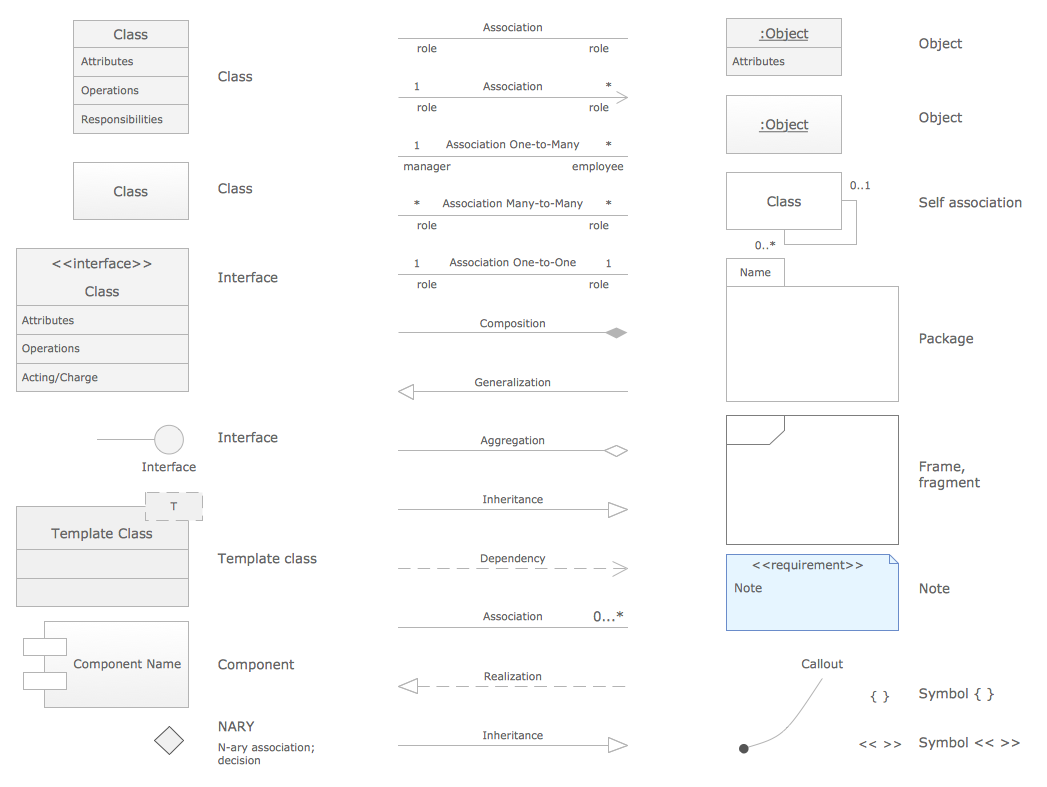
  • Class Diagram — diagram which represents the structure of a system showing the objects as classes with attributes, methods, and relationships among them.
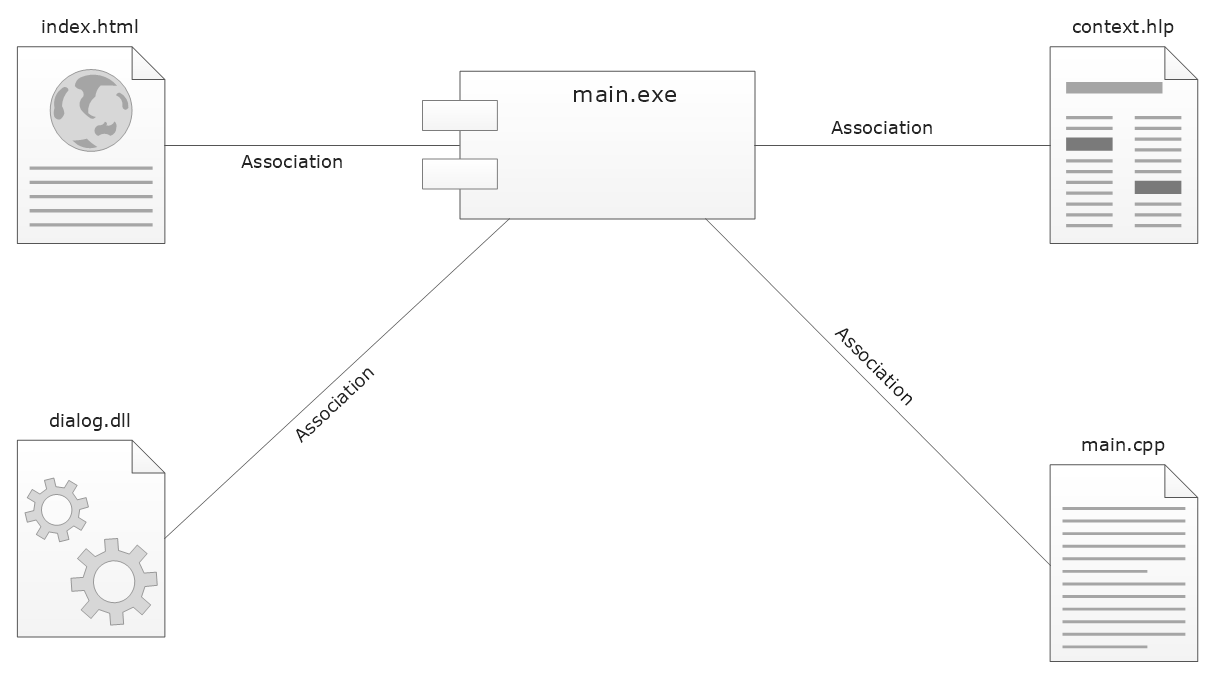
  • Component Diagram — diagram that depicts the system's components and how they are connected each other and form larger components and software systems.
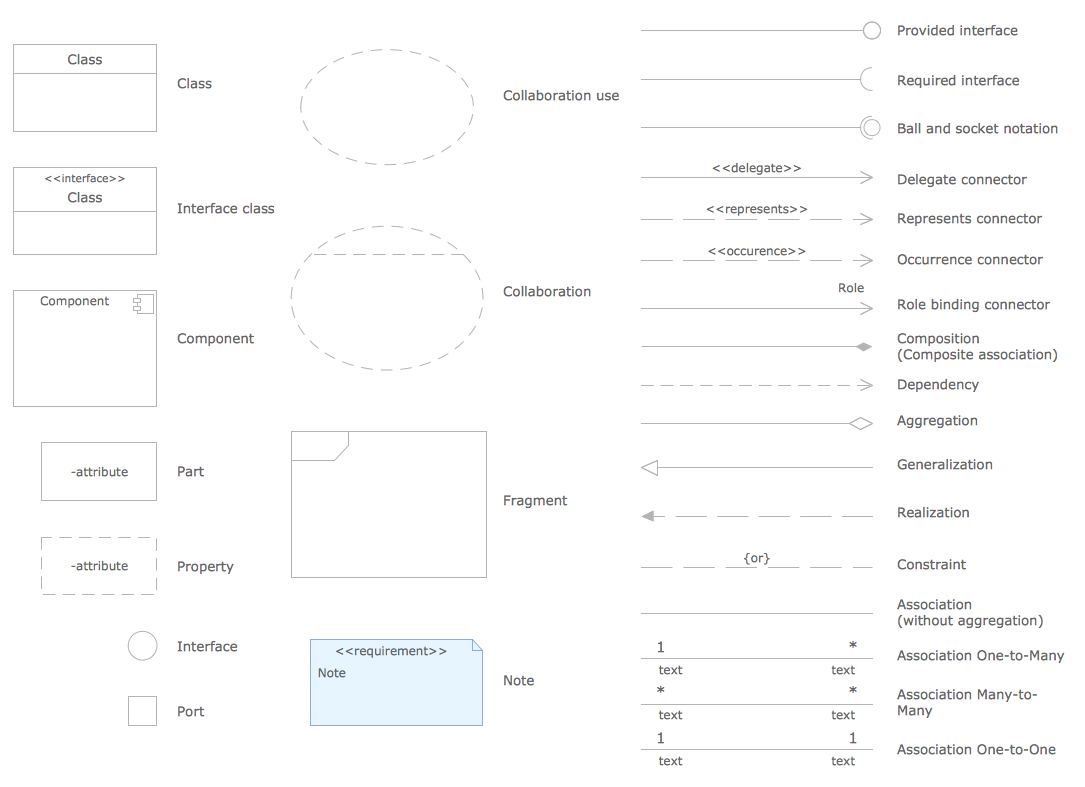
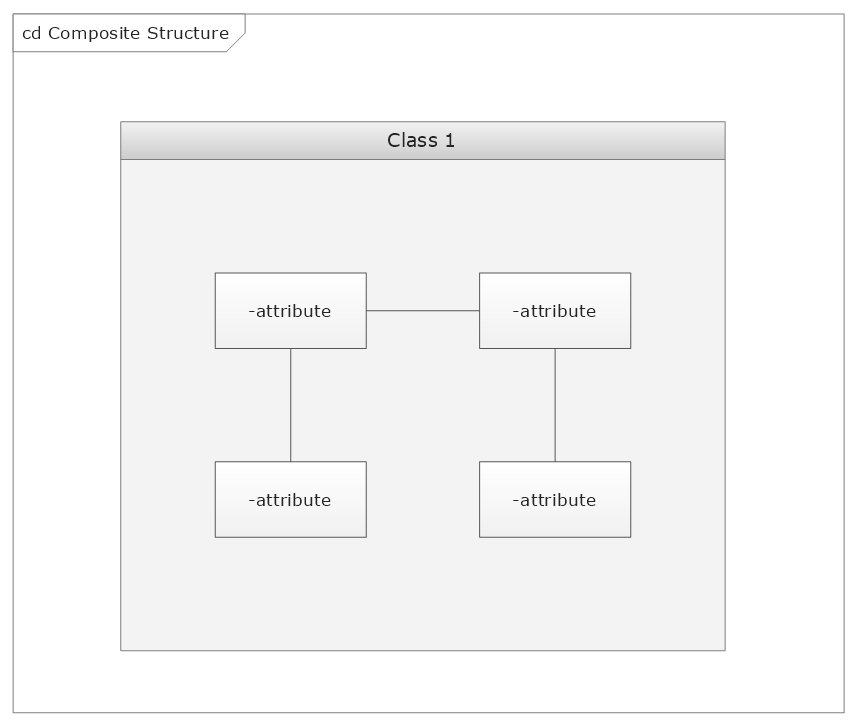
  • Composite Structure Diagram — diagram that illustrates the internal structure of a specific class and also collaborations with others classes and outside elements which are possible owing this structure.
  • Deployment Diagram — diagram which models the physical deployment of artifacts (software) on nodes (hardware).
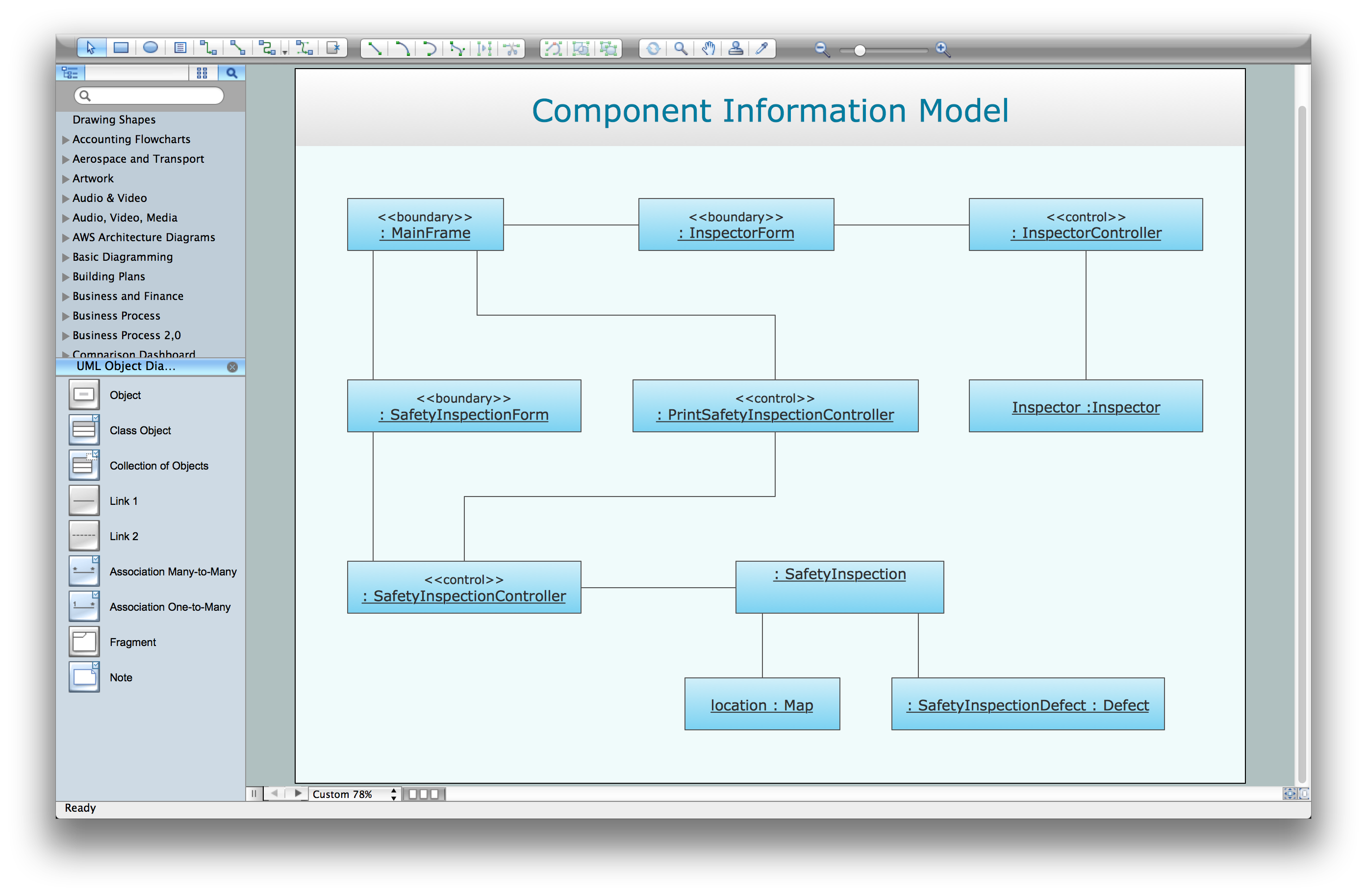
  • Object Diagram — diagram which displays a system's overview at a particular moment of time.
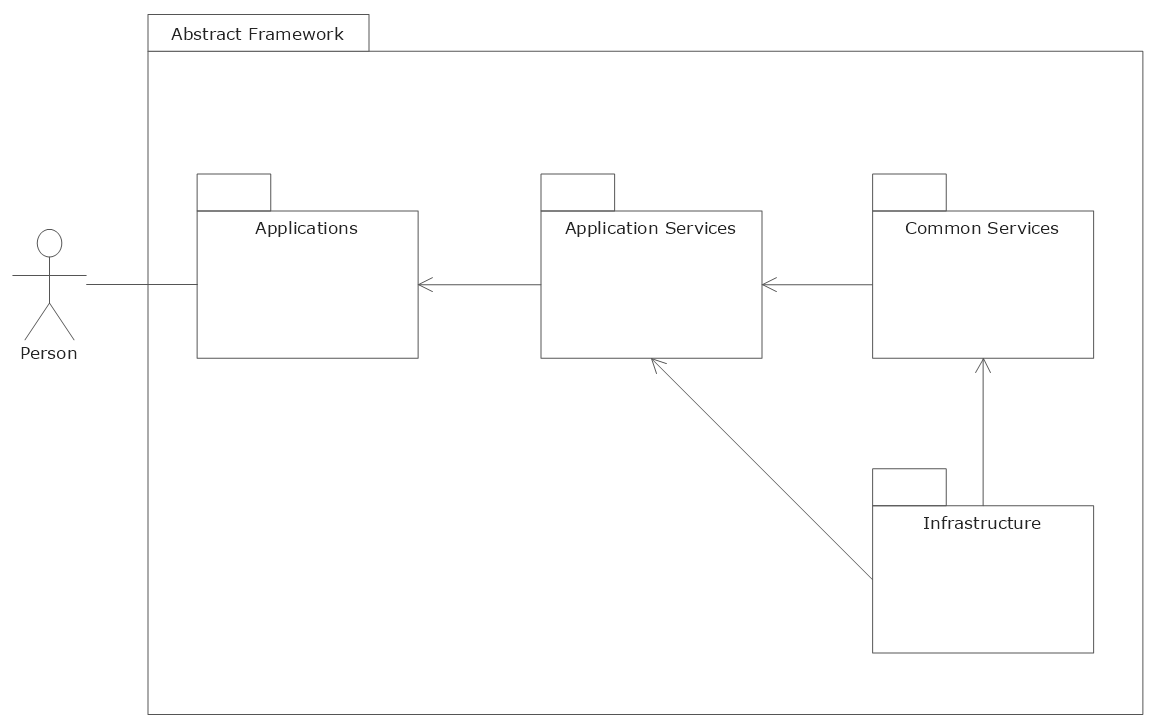
  • Package Diagram — diagram that shows the dependencies between the packages which compose a model.
  • Profile Diagram — diagram which allows to show stereotypes as classes and profiles as packages at the metamodel level.
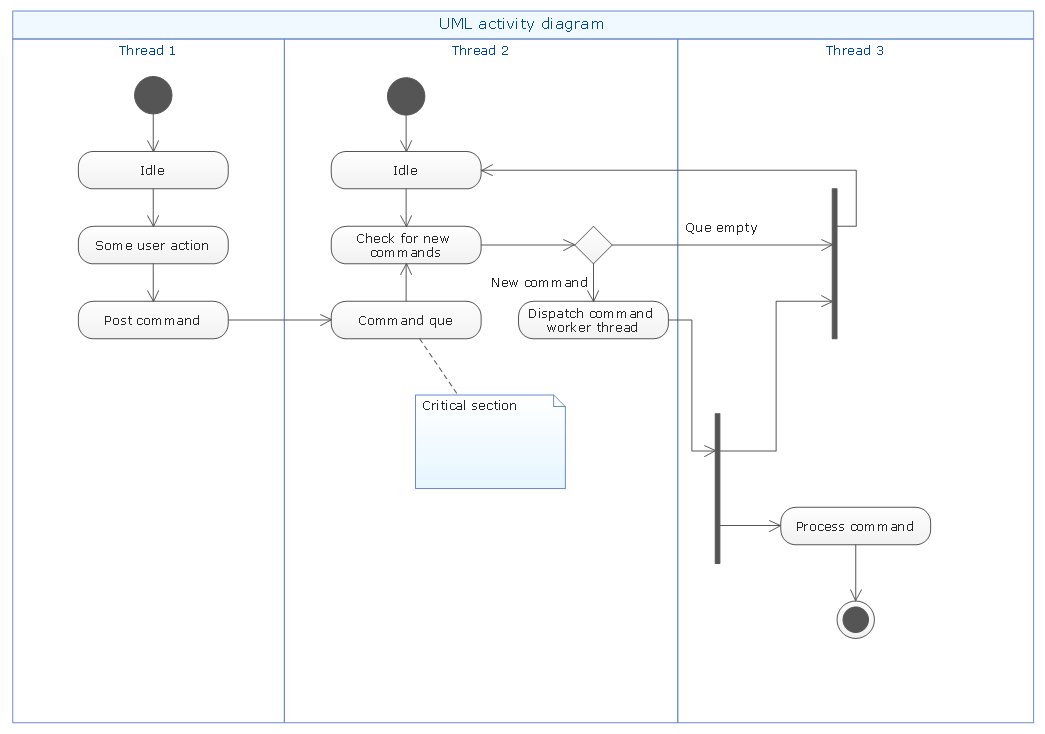
  • Activity Diagram — diagram that graphically represents the steps in a software process as a workflow.
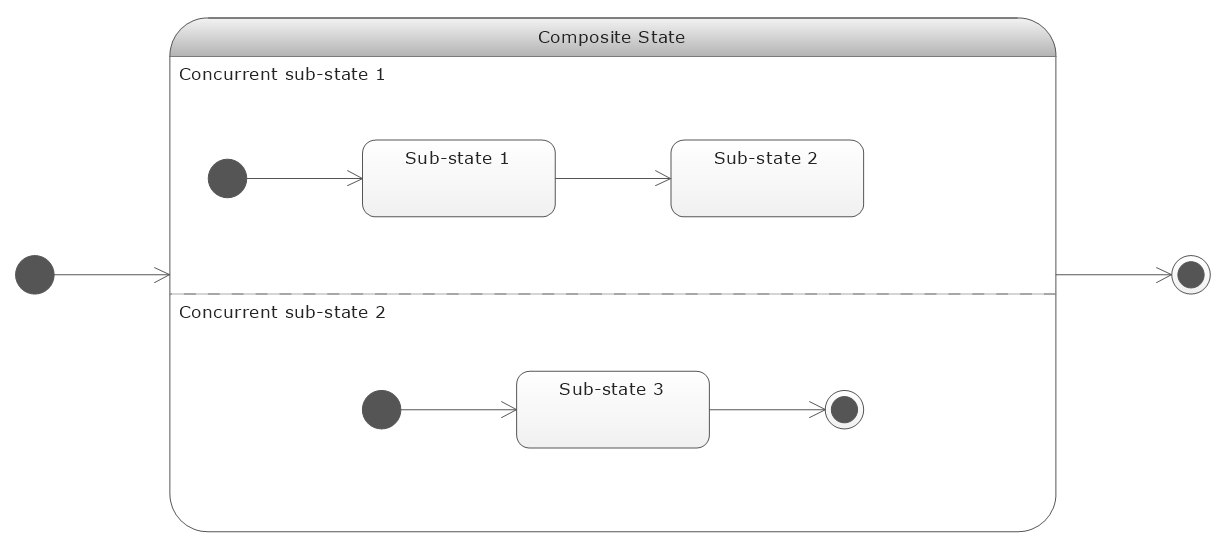
  • State Machine Diagram — diagram which describes the system composed of a finite number of states and shows the current state of a machine.
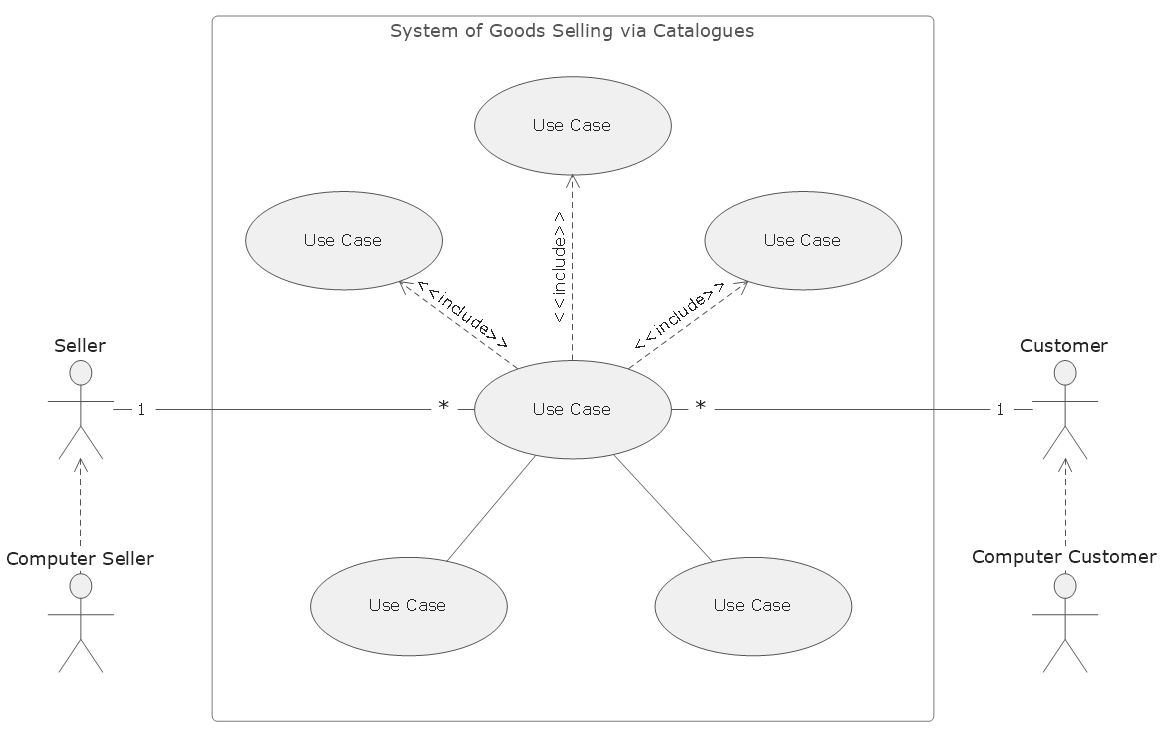
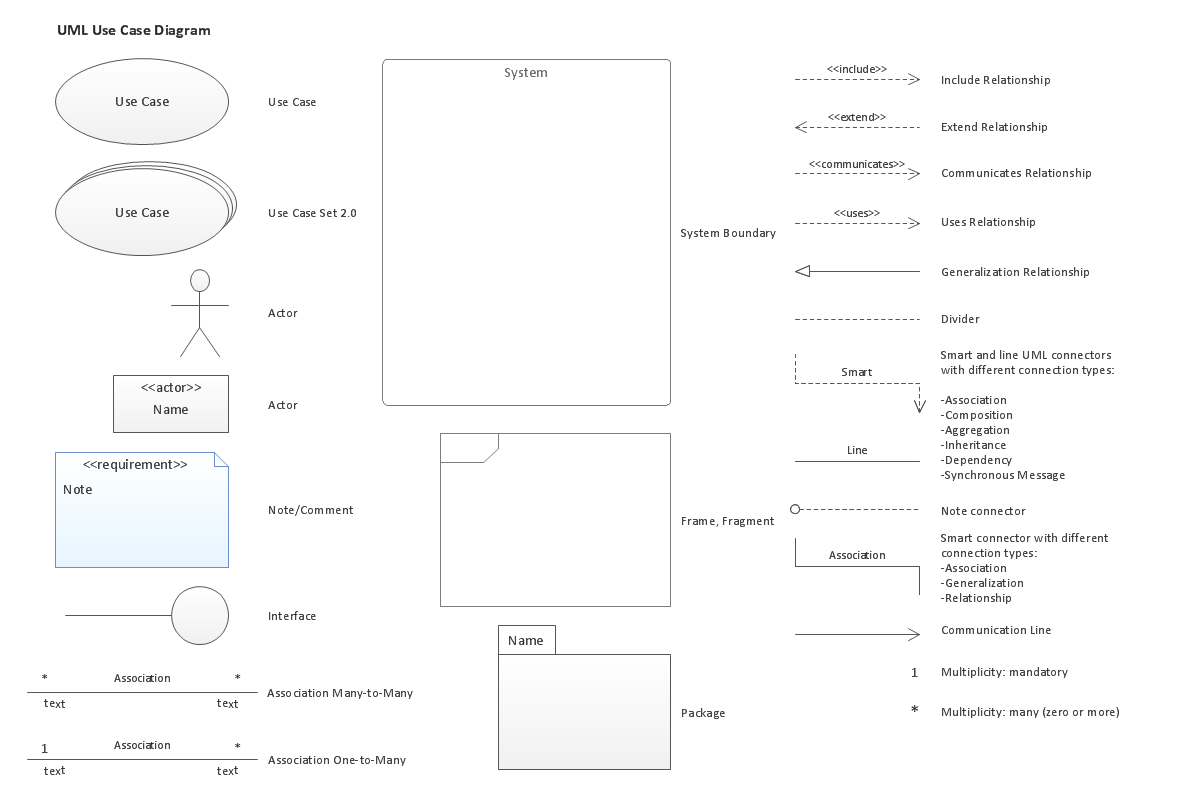
  • Use Case Diagram — diagram that depicts the interactions between users and the system, and different use cases in which the user is involved.
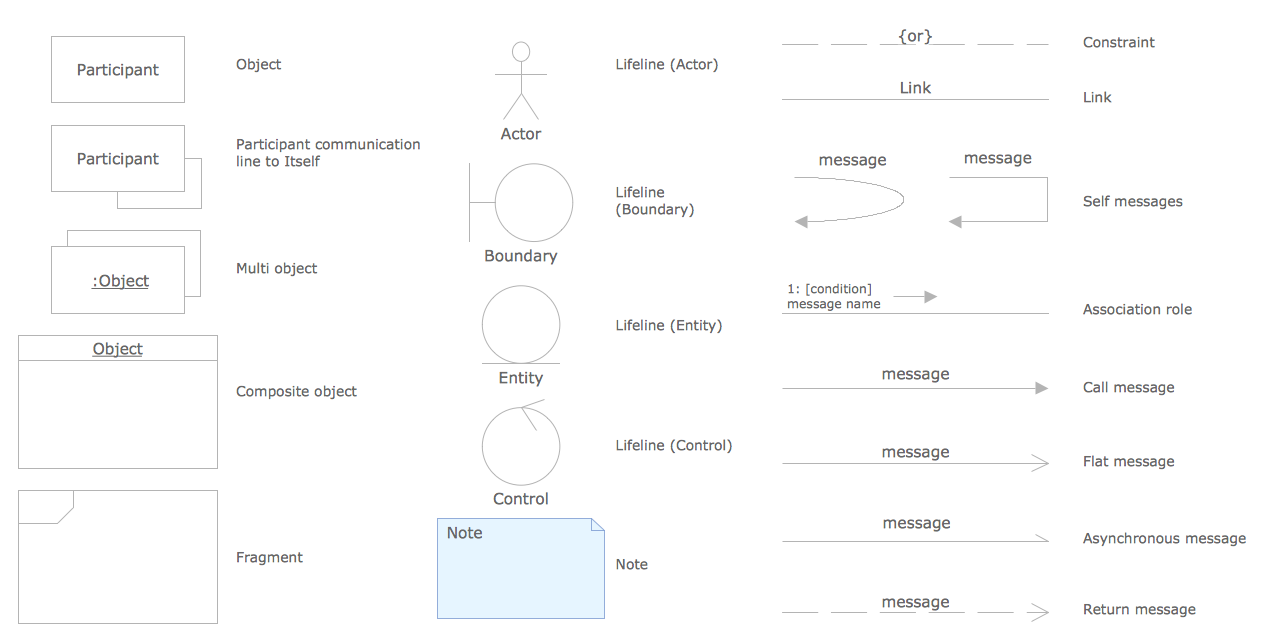
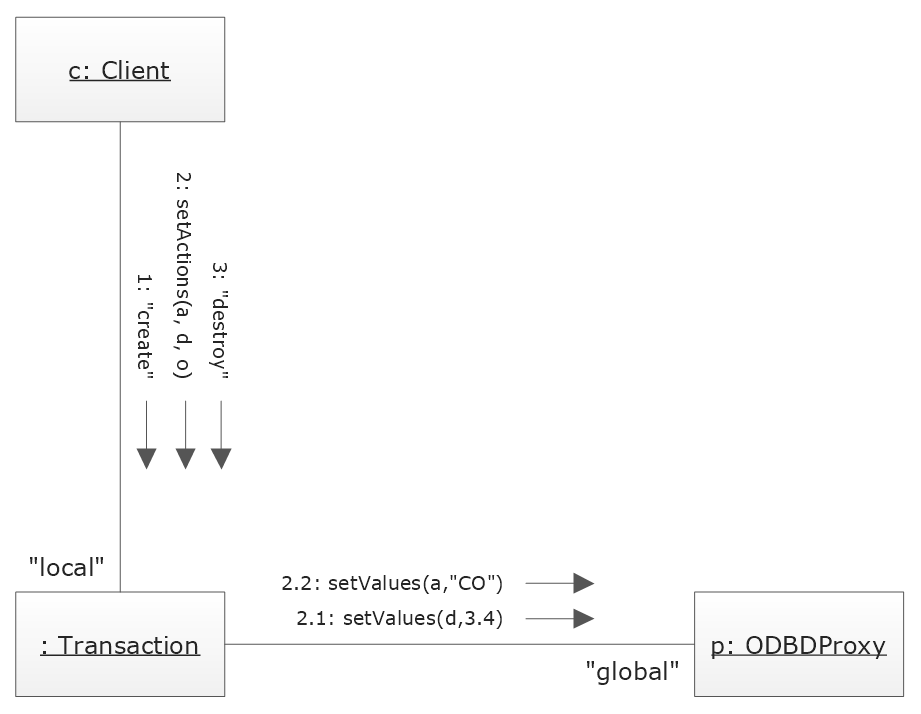
  • Communication Diagram — diagram that displays the interactions between the objects in terms of a set of sequenced messages.
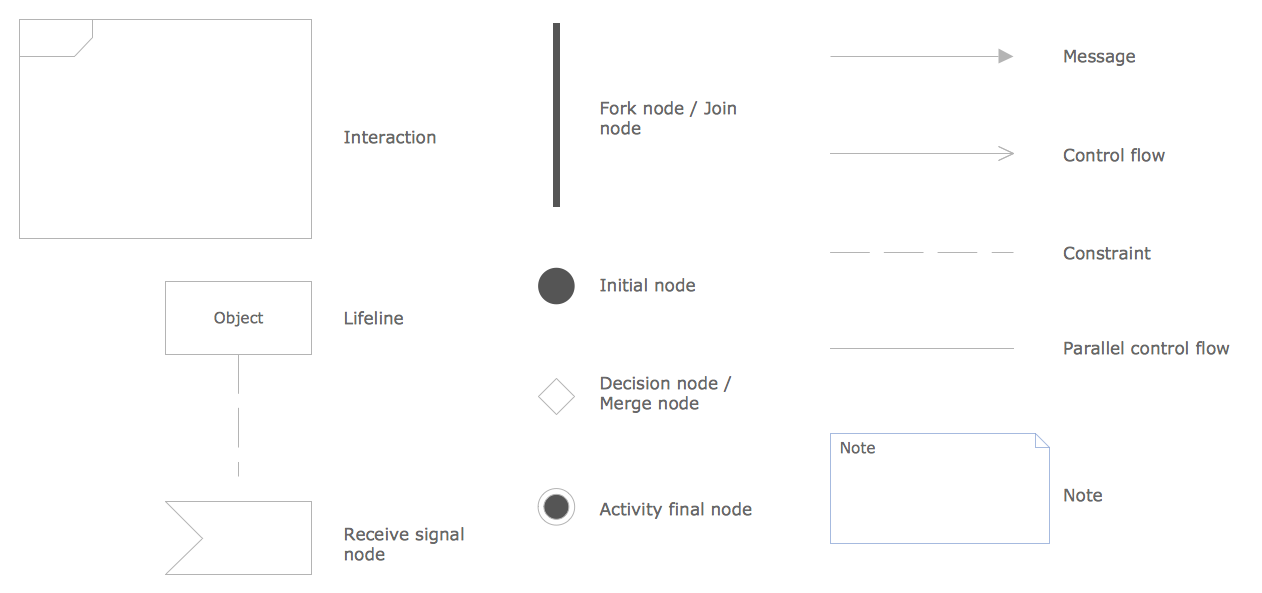
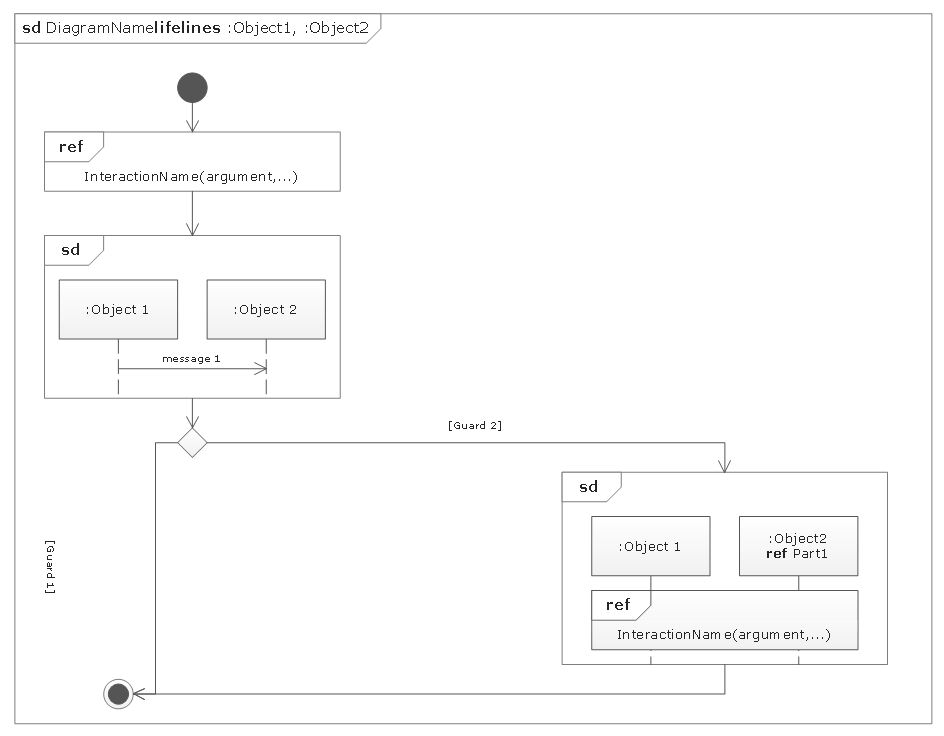
  • Interaction Overview Diagram — diagram which describes a workflow through a system, the individual activities can contain the nested interaction diagrams.
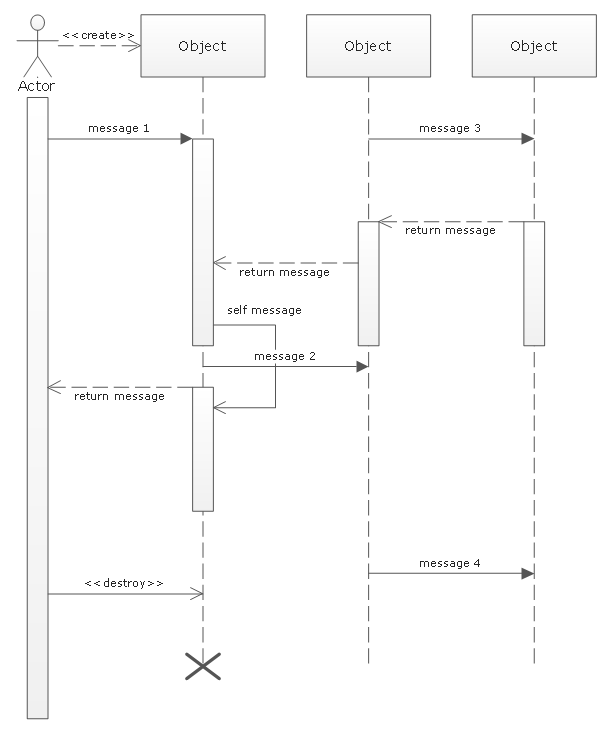
  • Sequence Diagram — diagram that depicts objects interactions in a specific time sequence.
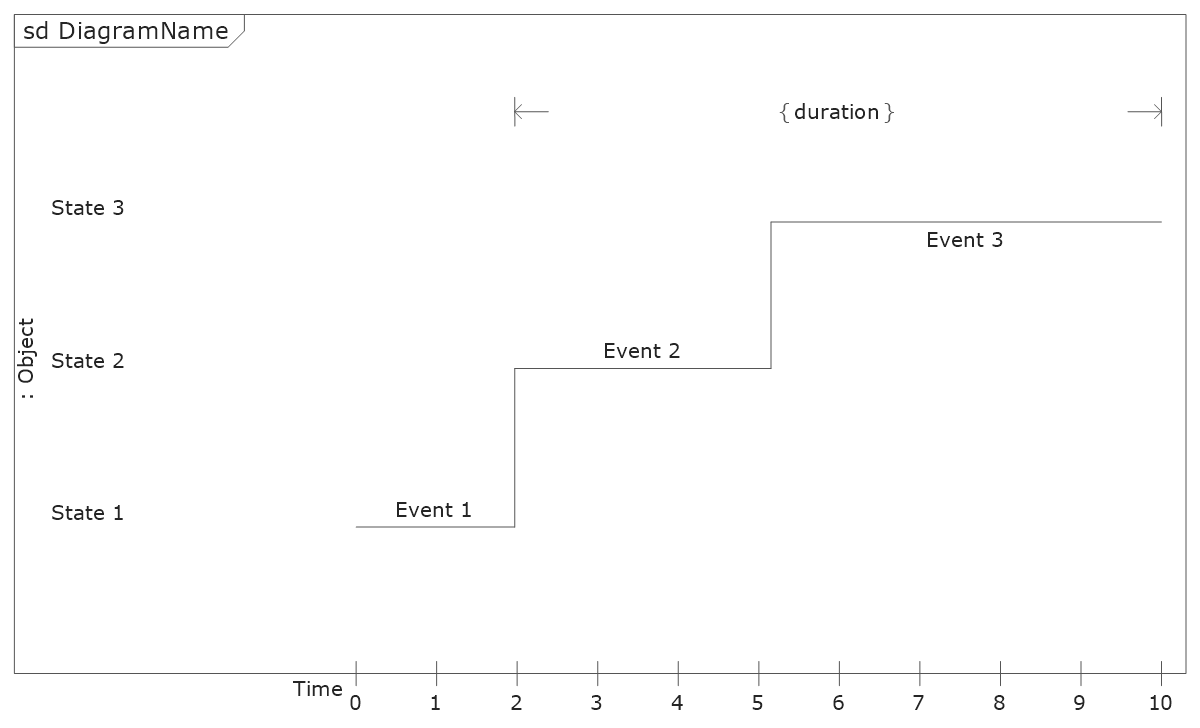
  • Timing Diagram — diagram that shows behaviours of a given set of objects throughout a certain period of time.

Part of these UML diagrams are behavior diagrams - they depict behaviors and interactions of various system's components, other part are static structure diagrams - they show the system's physical structure.

Design of UML digrams is often a complex process which requires powerful software, that's why the ability fast and easy create the UML diagrams of any type and complexity offered by ConceptDraw's Rapid UML solution from the Software Development area of ConceptDraw Solution Park makes the ConceptDraw DIAGRAM software the best choice for UML diagramming.
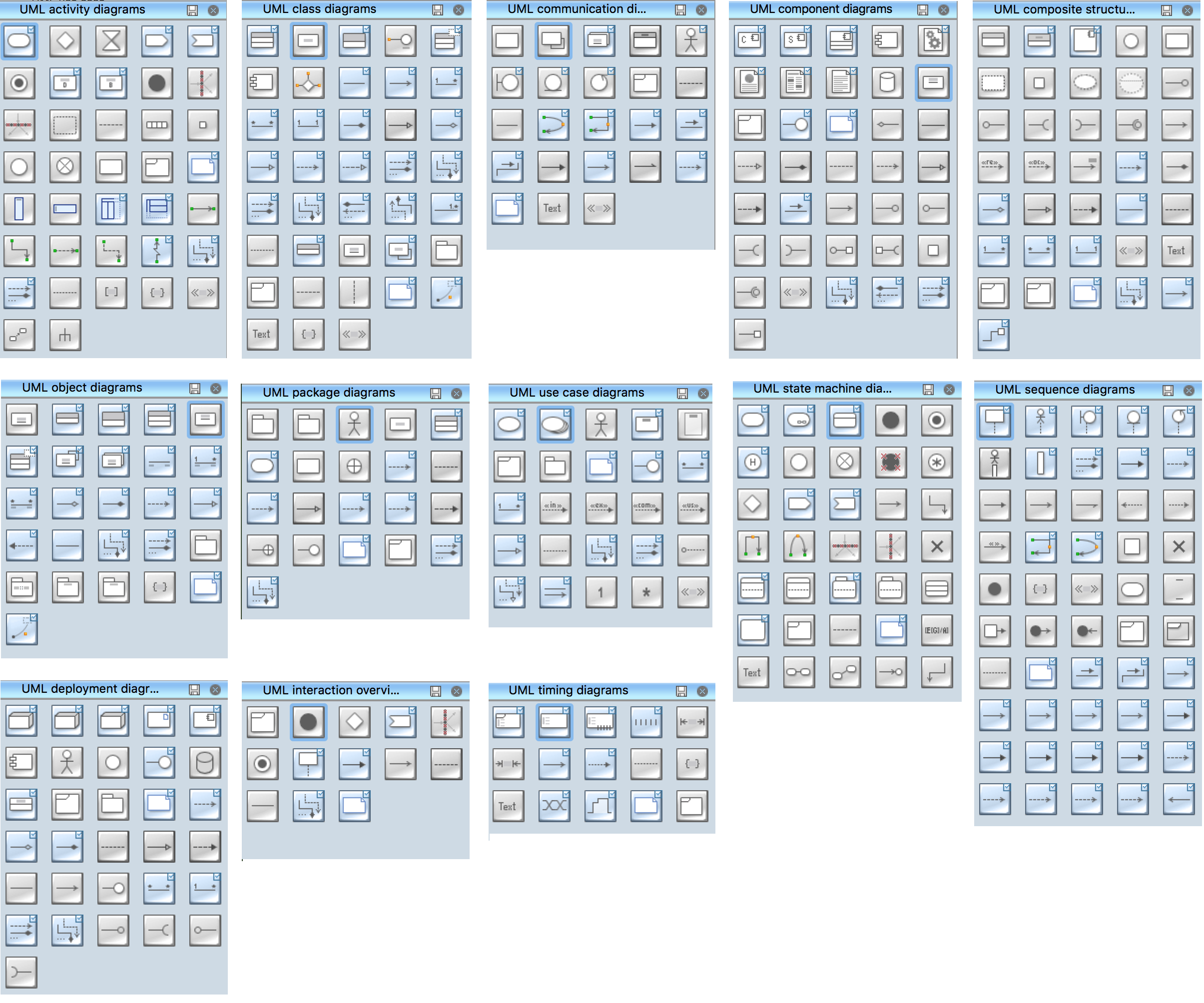
UML Flowchart Symbols *

Example 1. UML Flowchart Symbols

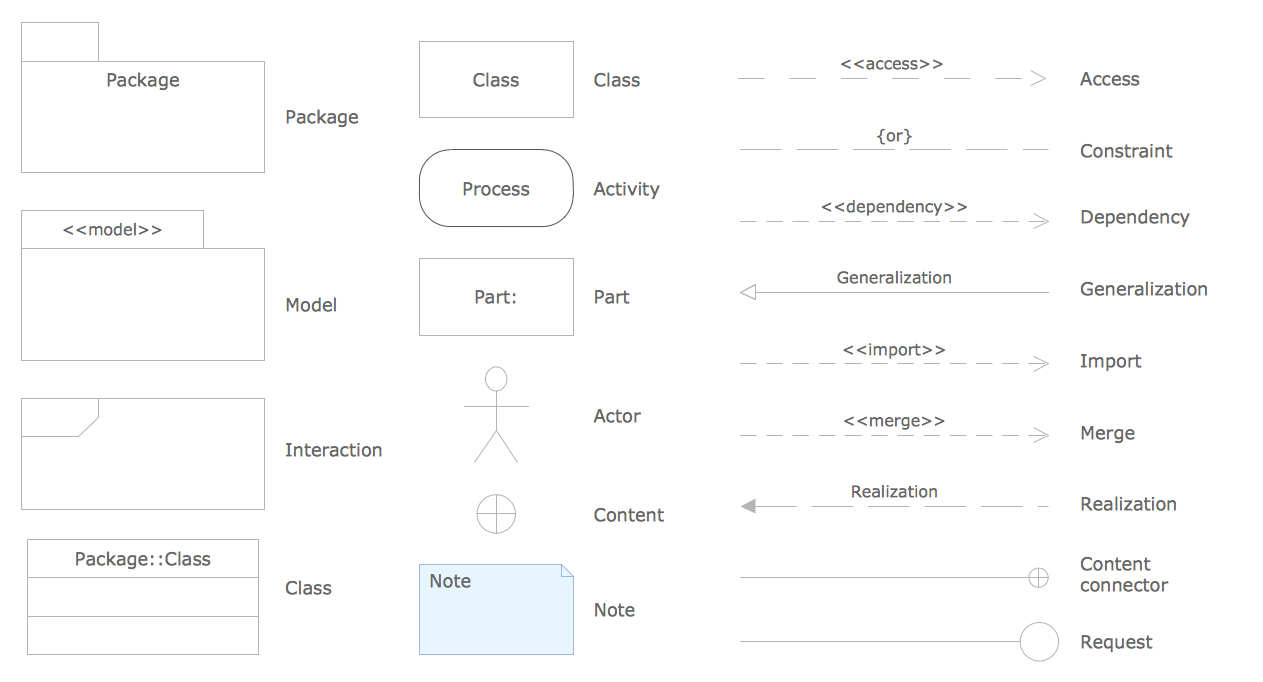
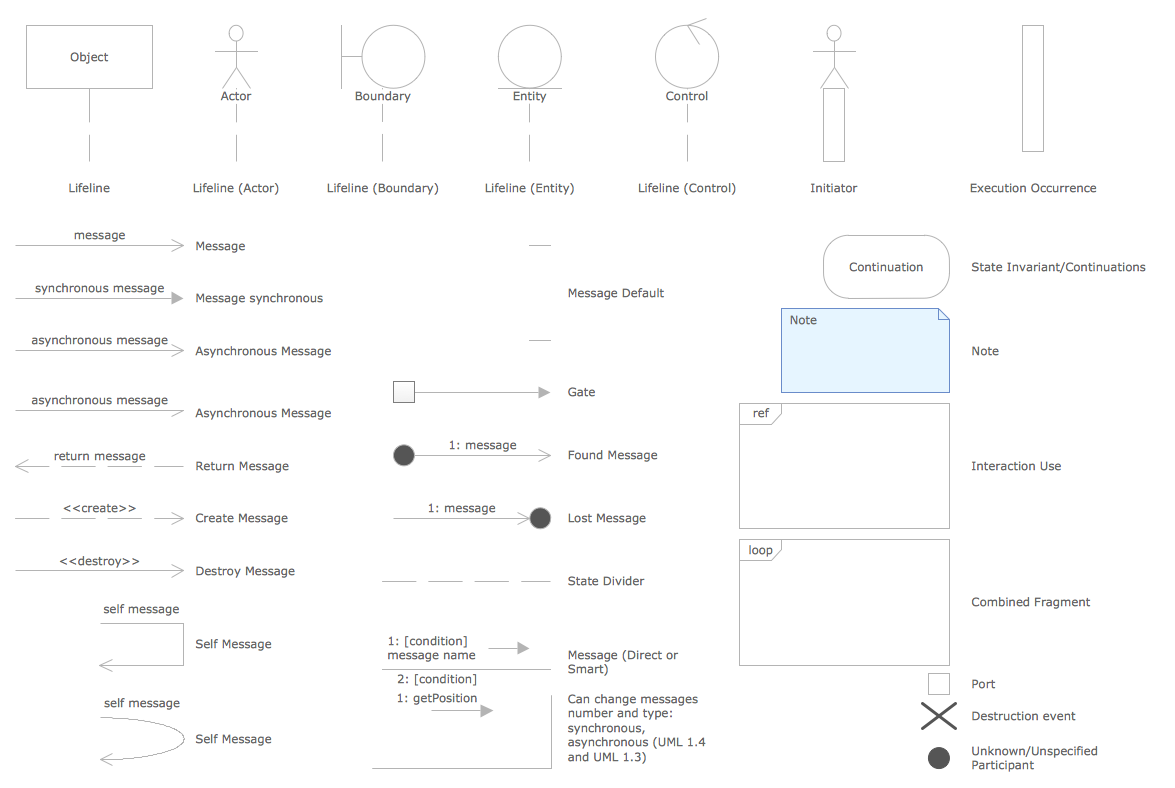
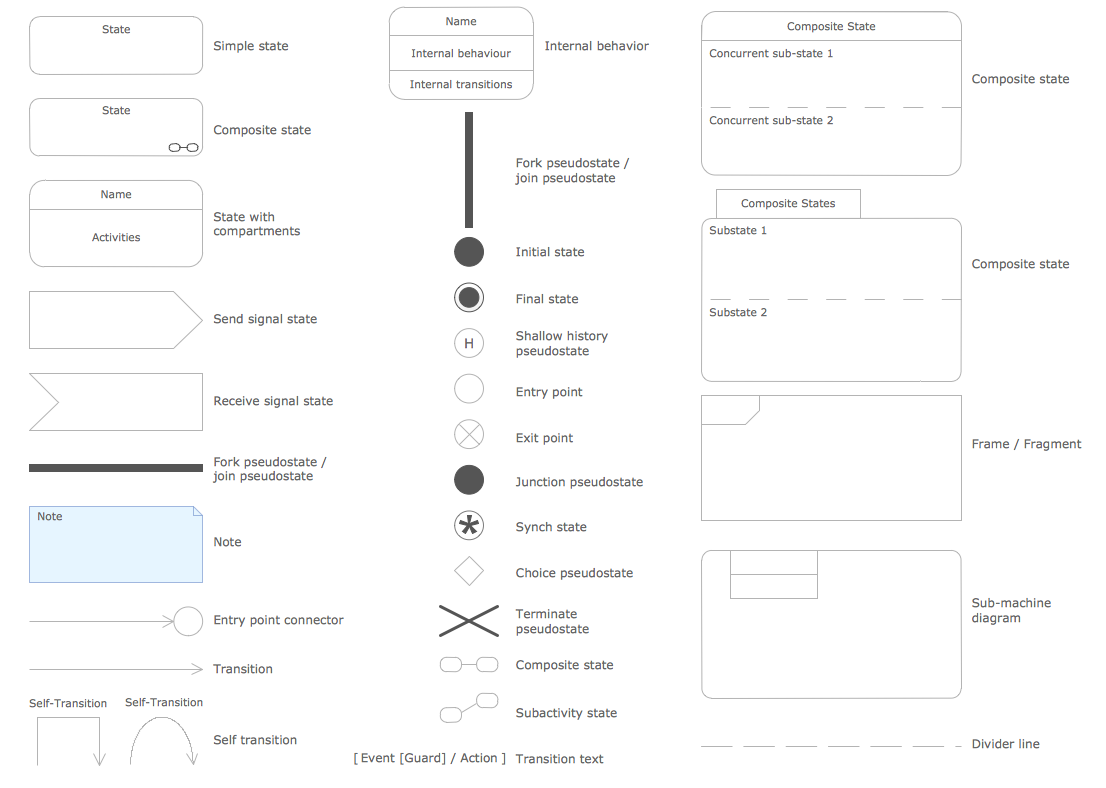
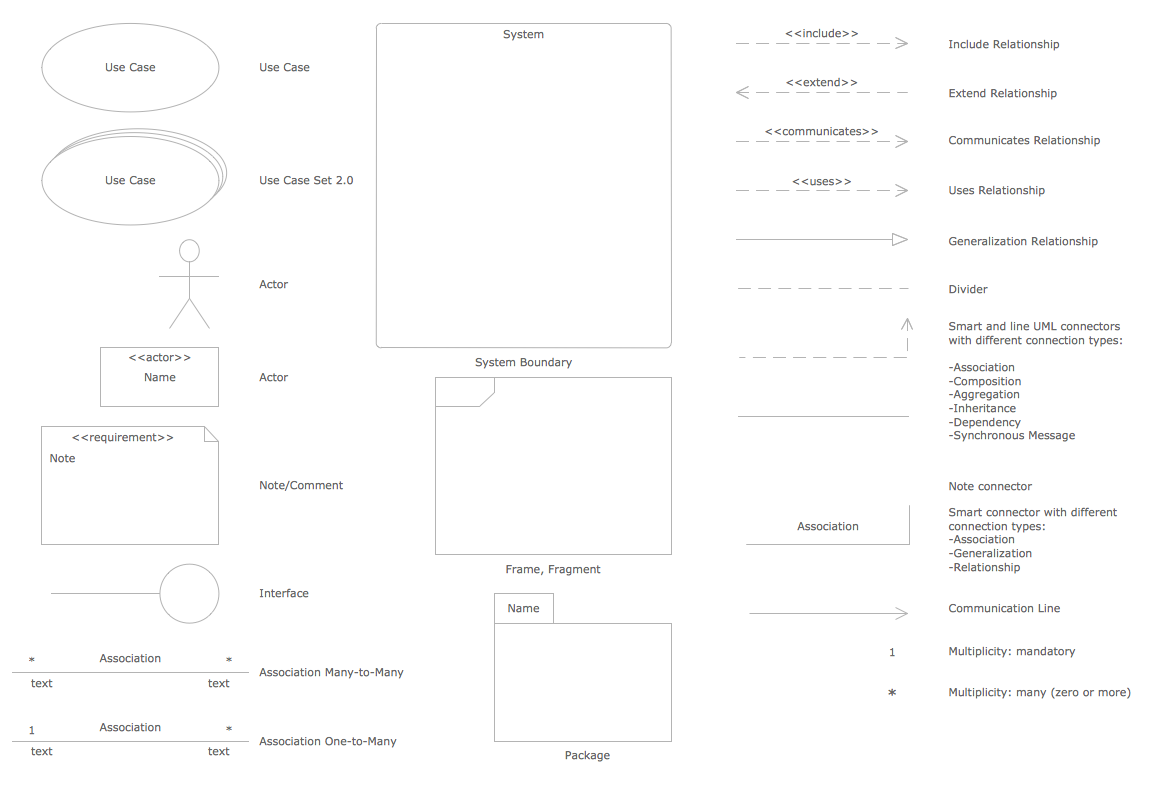
The Rapid UML solution offers diversity of UML flowchart symbols for each from the existing UML diagrams types - 13 libraries with 393 vector objects from generally accepted UML notation.
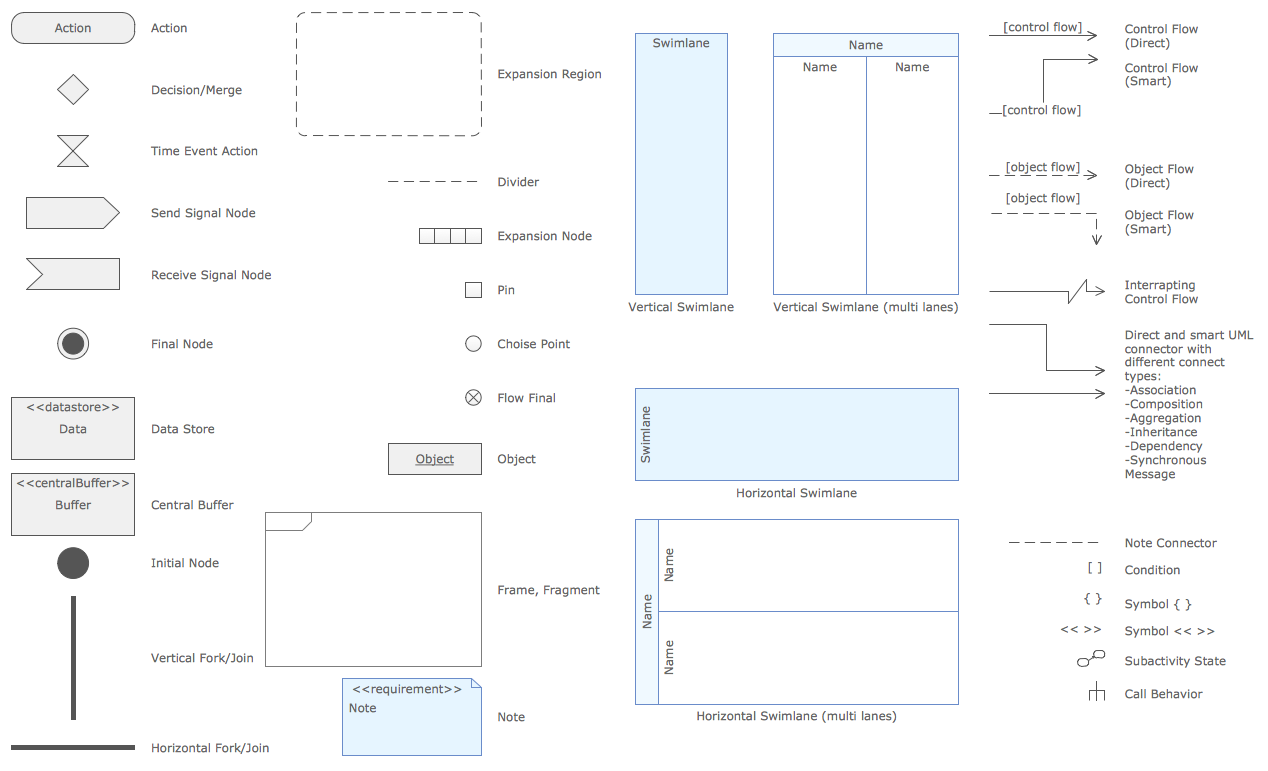
UML Activity symbols libraryUML Activity symbols library
UML Class Diagram symbols libraryUML Class Diagram symbols library
UML Communication Diagrams symbols libraryUML Communication Diagrams symbols library
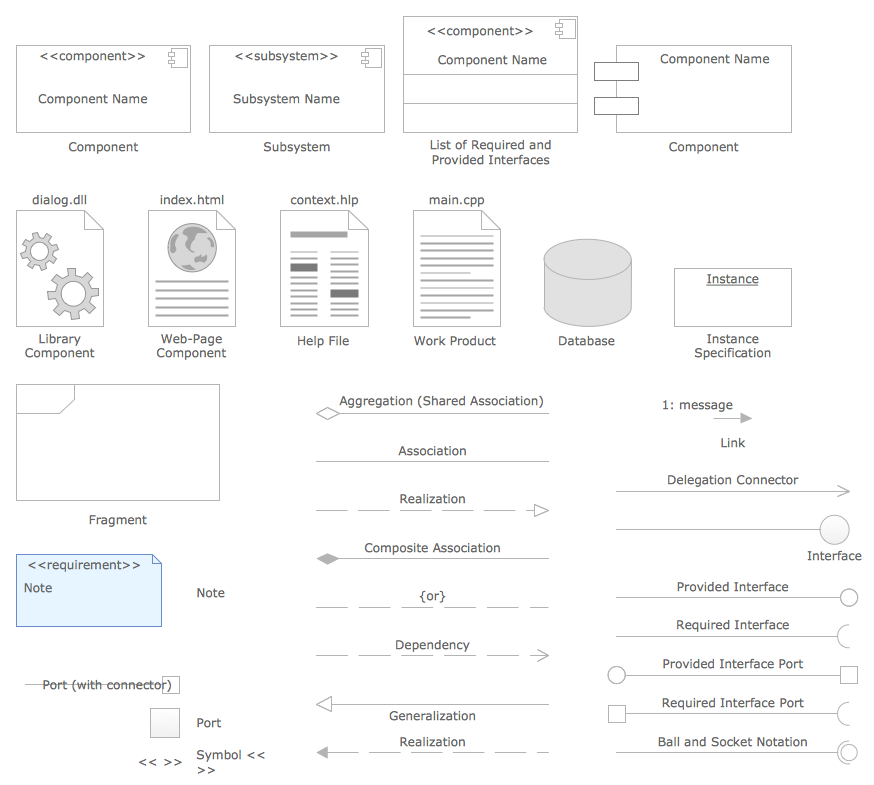
UML Component symbols libraryUML Component symbols library
UML Composite Structure symbols libraryUML Composite Structure symbols library
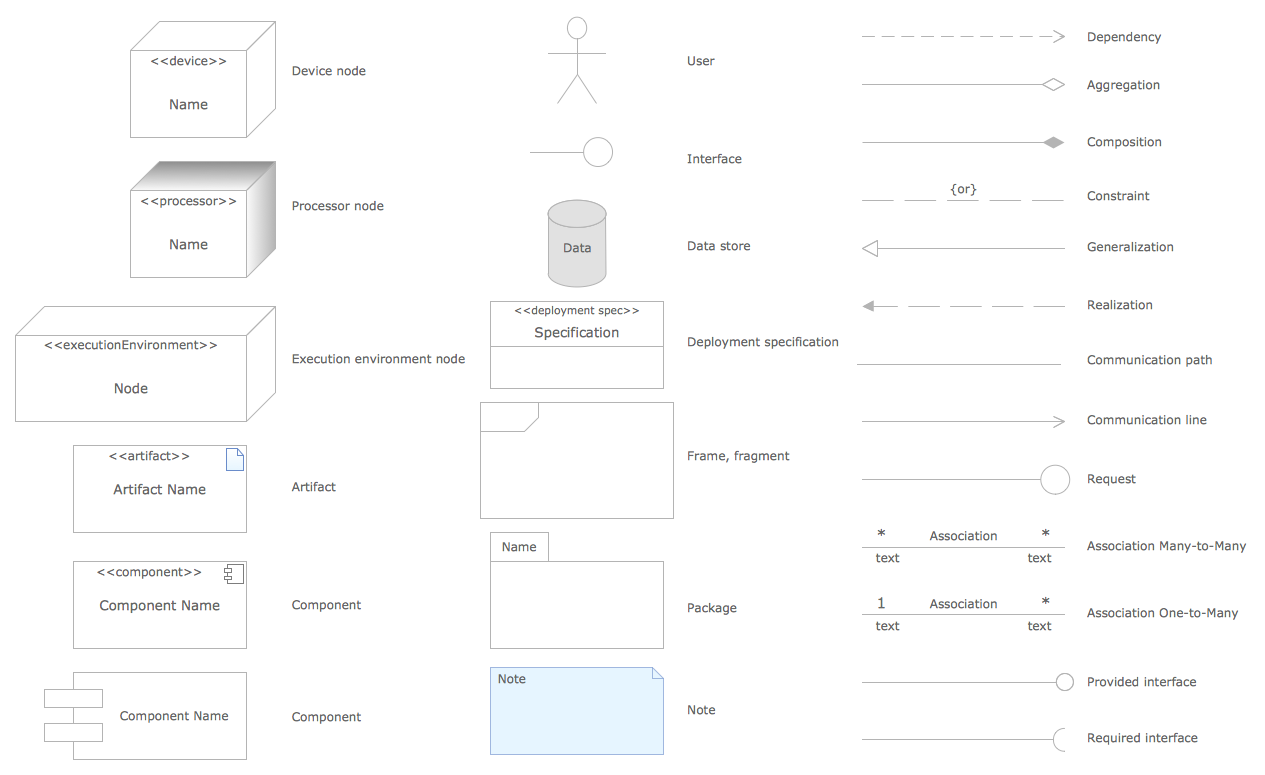
UML Deployment symbols libraryUML Deployment symbols library
UML Interaction Overview symbols libraryUML Interaction Overview symbols library
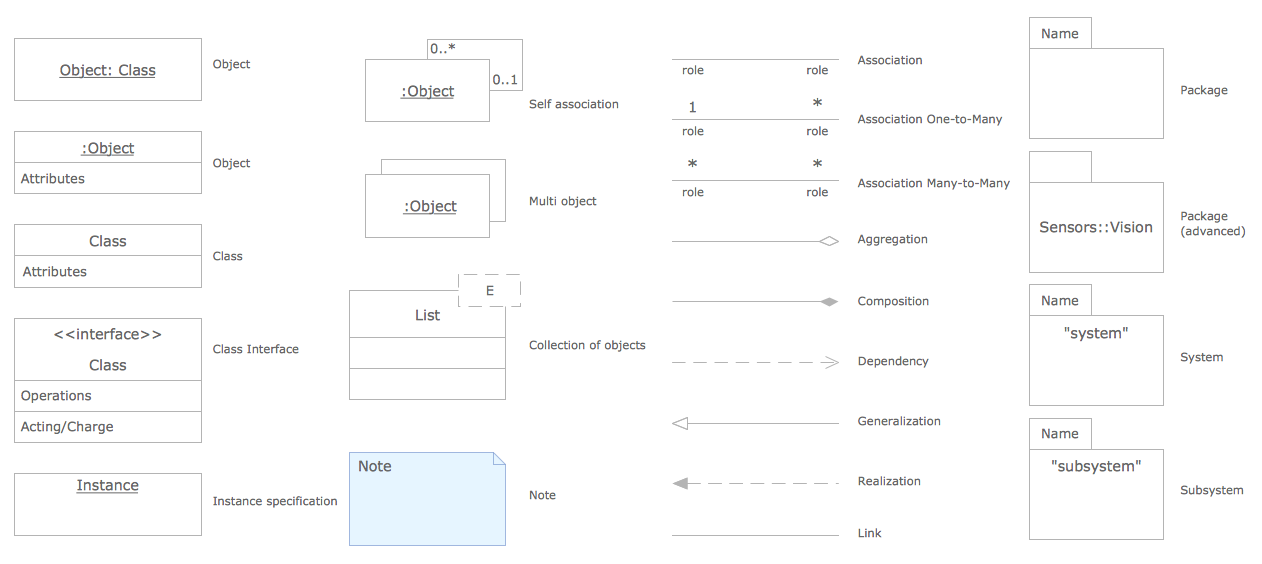
UML Object symbols libraryUML Object symbols library
UML Package symbols libraryUML Package symbols library
UML Sequence Diagram symbols libraryUML Sequence Diagram symbols library
UML State Machine Diagram symbols libraryUML State Machine Diagram symbols library
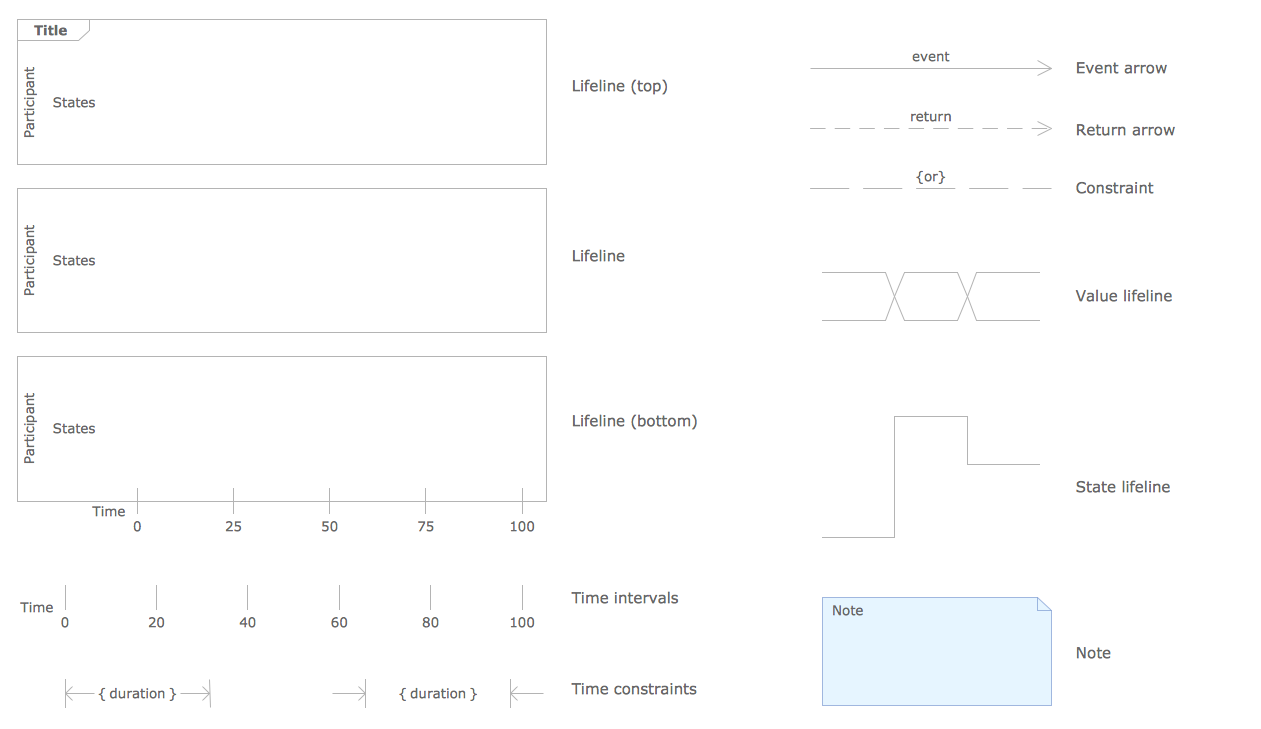
UML Timing symbols libraryUML Timing symbols library
UML Use Case symbols libraryUML Use Case symbols library

Follow the next simple steps to design the UML diagram of any type of UML diagrams without efforts:

  • drag the UML objects from the library which corresponds to your UML diagram type, add the text and arrange them on your document page;
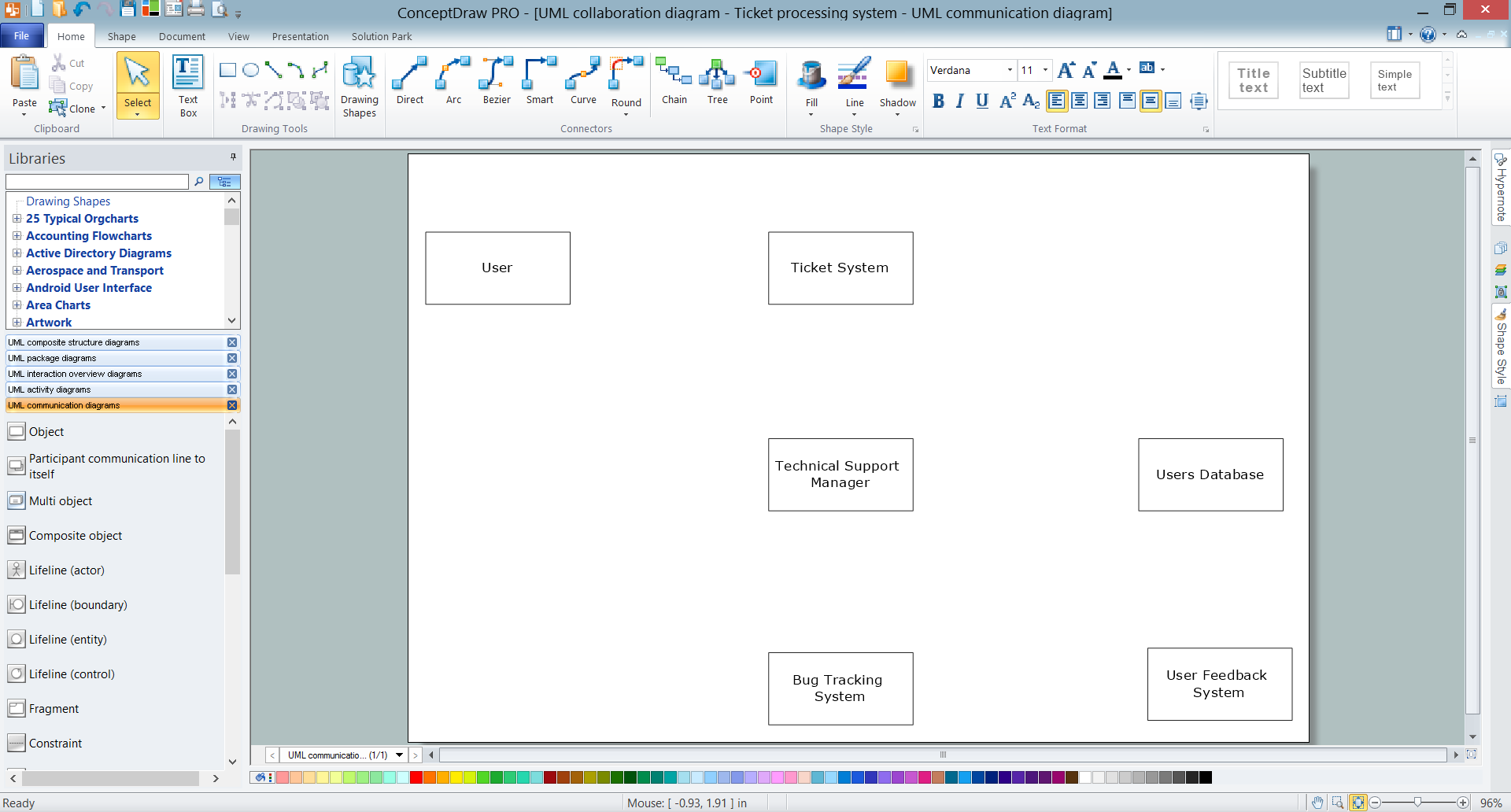
    Adding UML objects

    Example 2. Adding UML objects

  • connect the objects with connectors which appropriate for diagrams of selected type;
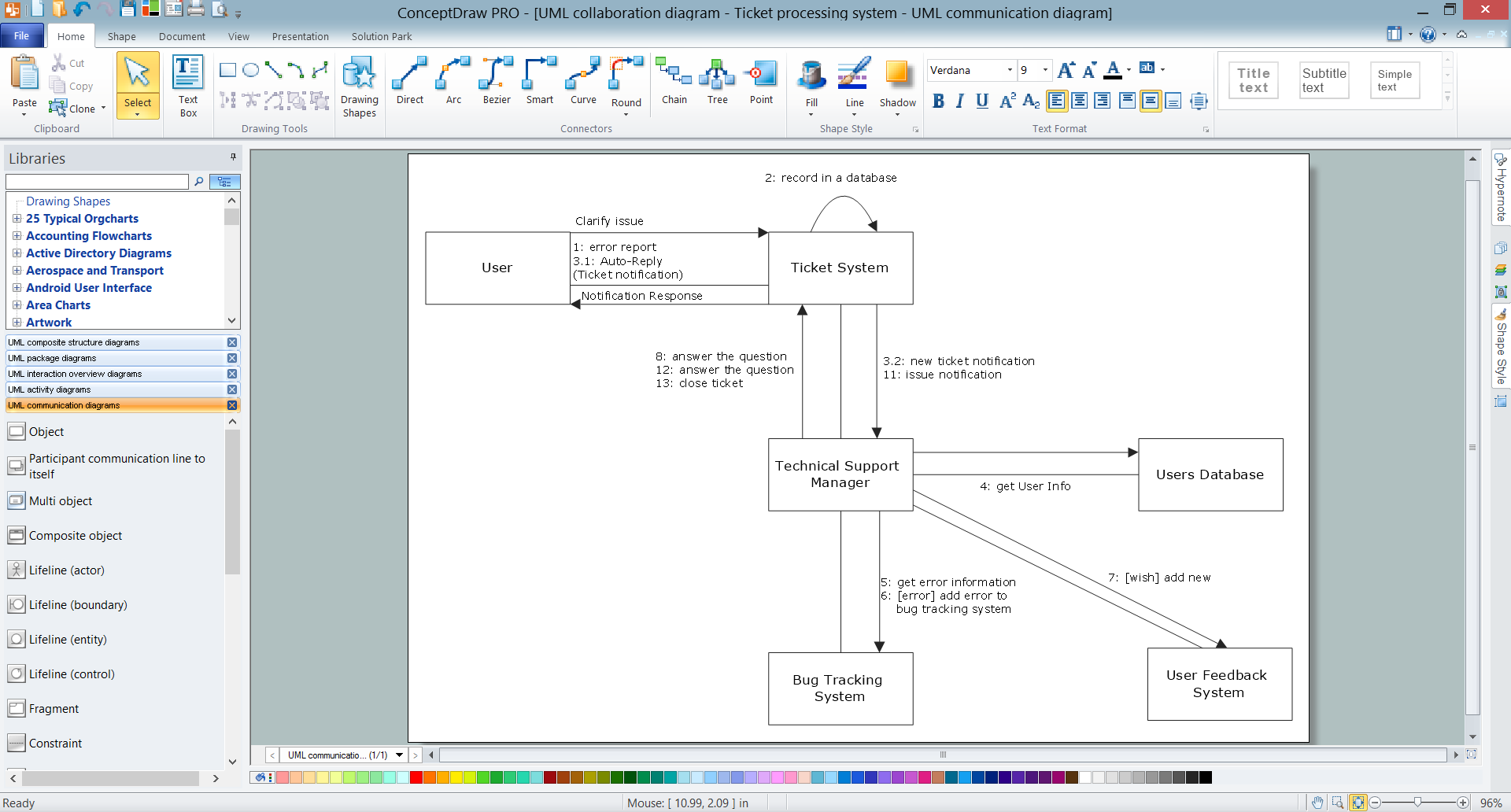
    Connecting UML objects

    Example 3. Connecting UML objects

  • add the text and color your diagram;

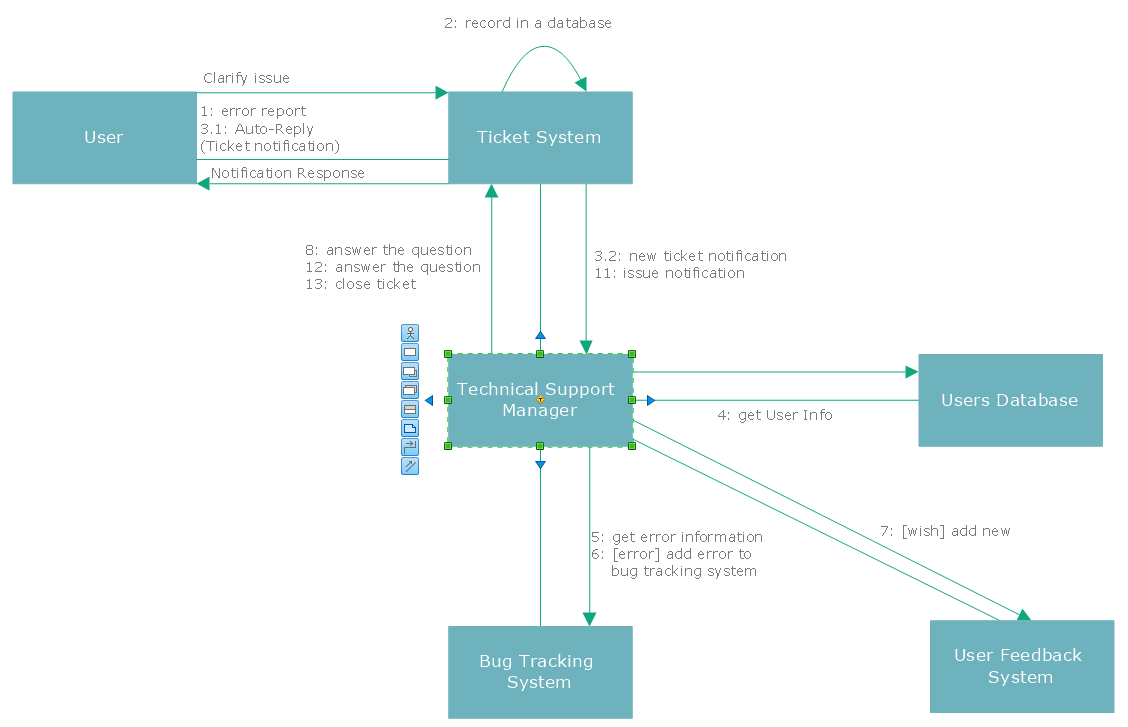
    UML Collaboration Diagram - Ticket Processing System

    Example 4. UML Collaboration Diagram - Ticket Processing System

  • you can also add the next object and automatically connect it with previous by clicking on its icon from the RapidDraw arrows, which pop up when you bring the mouse cursor over the object.
    Use of RapidDraw feature

    Example 5. Use of RapidDraw feature

The Rapid UML Solution provides also large quantity of predesigned templates and samples for each type of UML diagrams. All they are available from ConceptDraw STORE and can be used as the base for your UML diagrams.
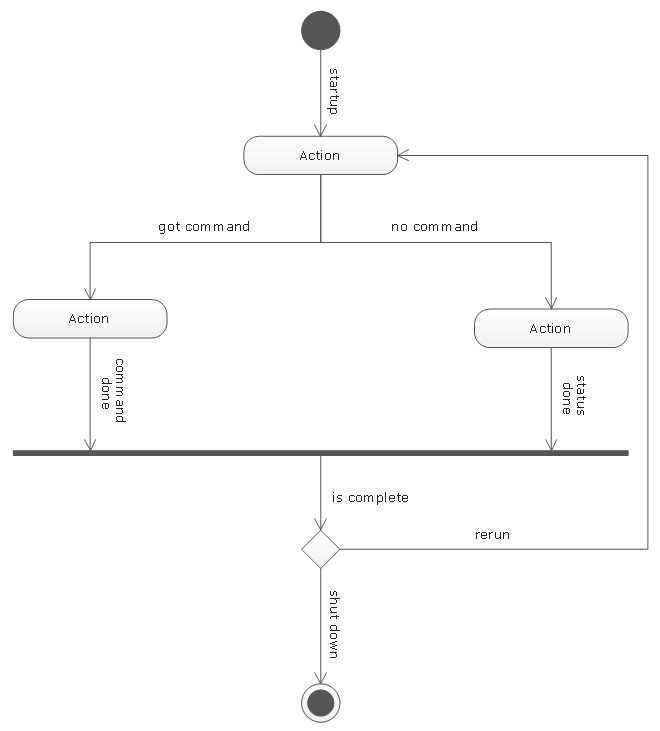
UML Activity Diagram templateUML Activity Diagram template
UML Activity Diagram (Swimlanes) templateUML Activity Diagram (Swimlanes) template
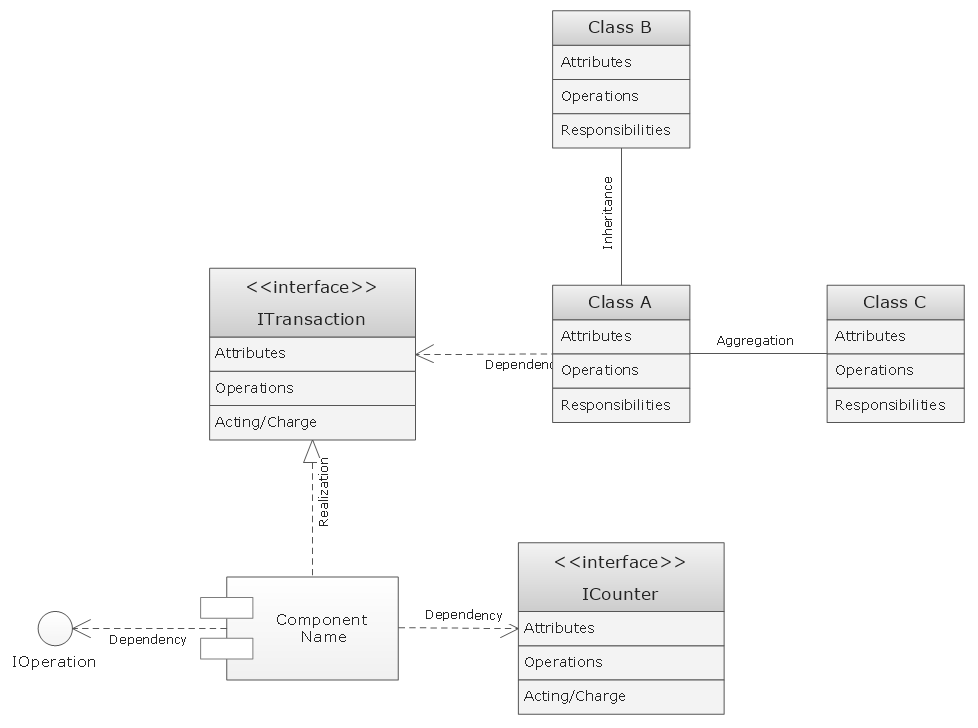
UML Class Diagram templateUML Class Diagram template
UML Communication Diagram templateUML Communication Diagram template
UML Component Diagram templateUML Component Diagram template
UML Composite Structure Diagram templateUML Composite Structure Diagram template
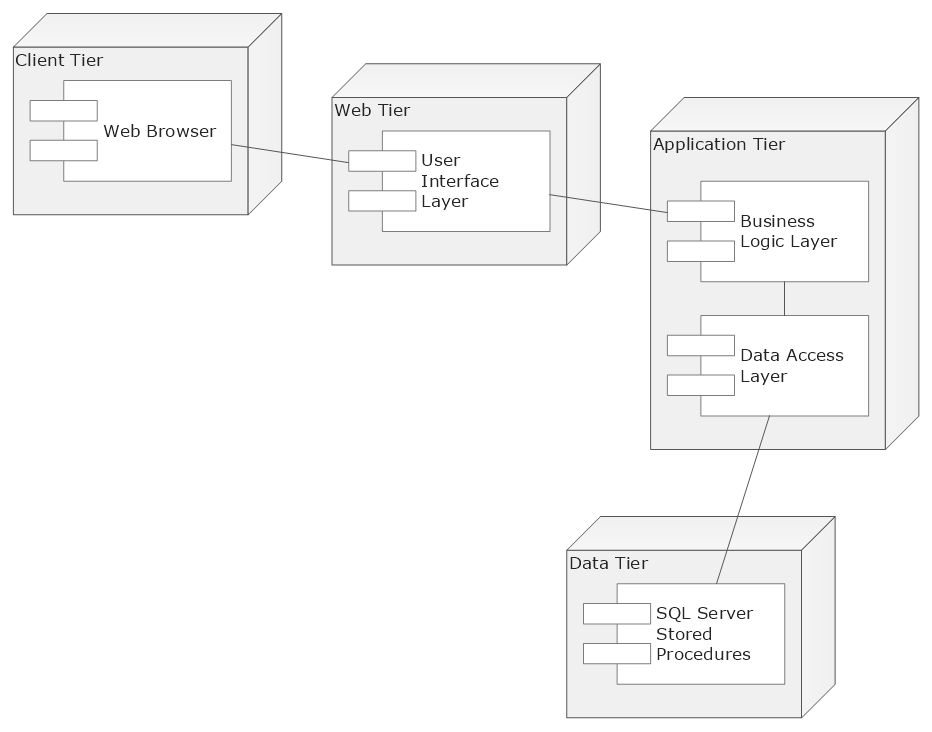
UML Deployment Diagram templateUML Deployment Diagram template
UML Interaction Overview Diagram templateUML Interaction Overview Diagram template
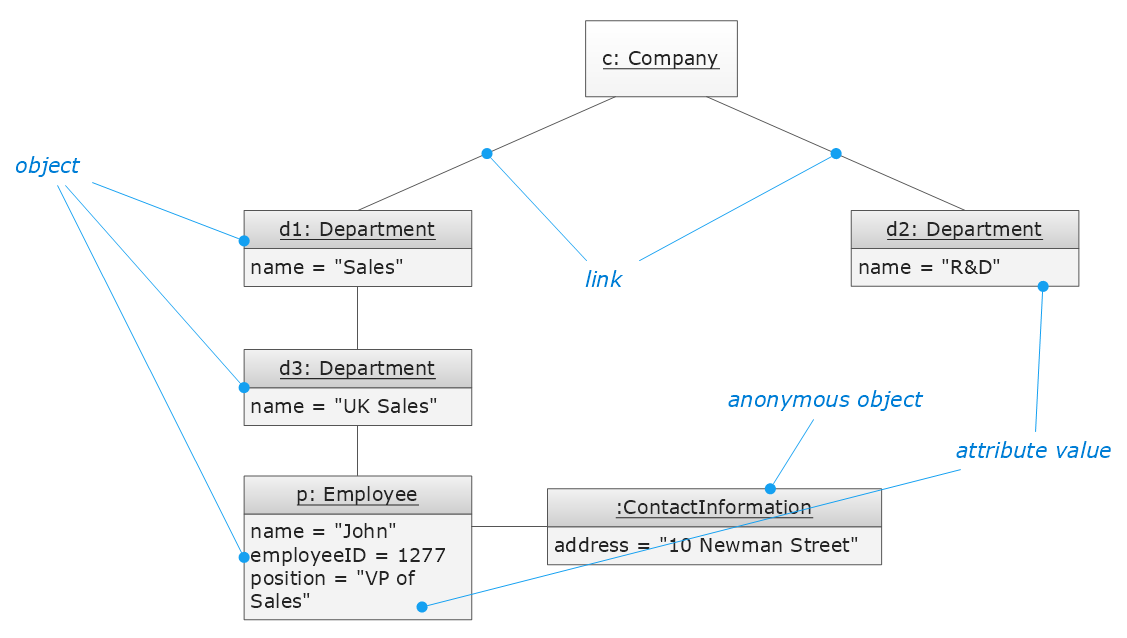
UML Object Diagram templateUML Object Diagram template
UML Package Diagram templateUML Package Diagram template
UML Sequence Diagram templateUML Sequence Diagram template
UML State Machine Diagram templateUML State Machine Diagram template
UML Timing Diagram templateUML Timing Diagram template
UML Use Case Diagram templateUML Use Case Diagram template

Use of template is the easiest way of drawing various diagrams and especially UML diagrams thanks to this multiplicity of professionally developed templates.
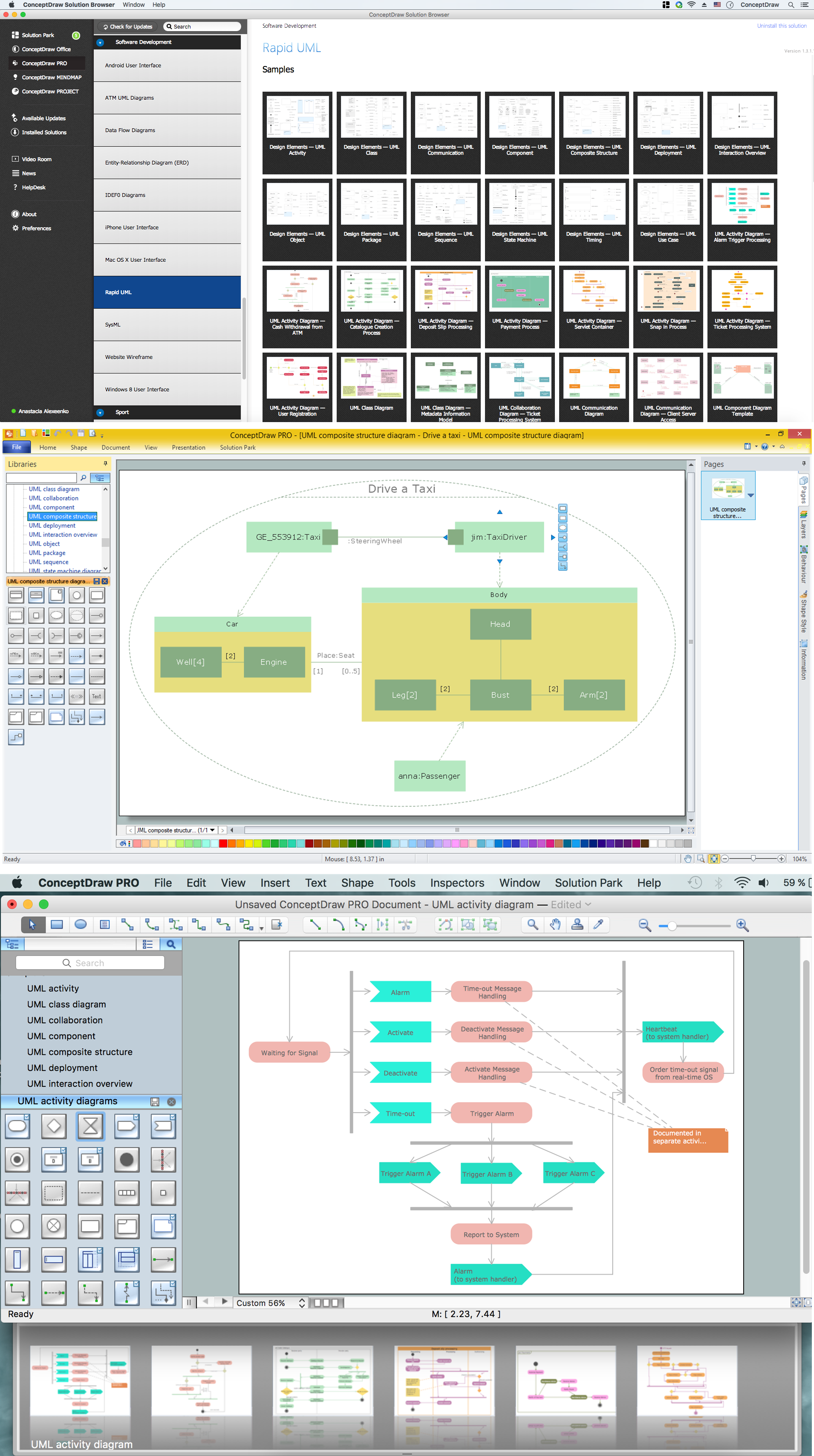
Rapid UML Solution

Example 6. Rapid UML Solution

The ConceptDraw DIAGRAM diagramming and vector drawing software is the best choice for easy drawing the UML diagrams thanks to the powerful drawing tools, collection of predesigned samples, examples, templates, and UML flowchart symbols.
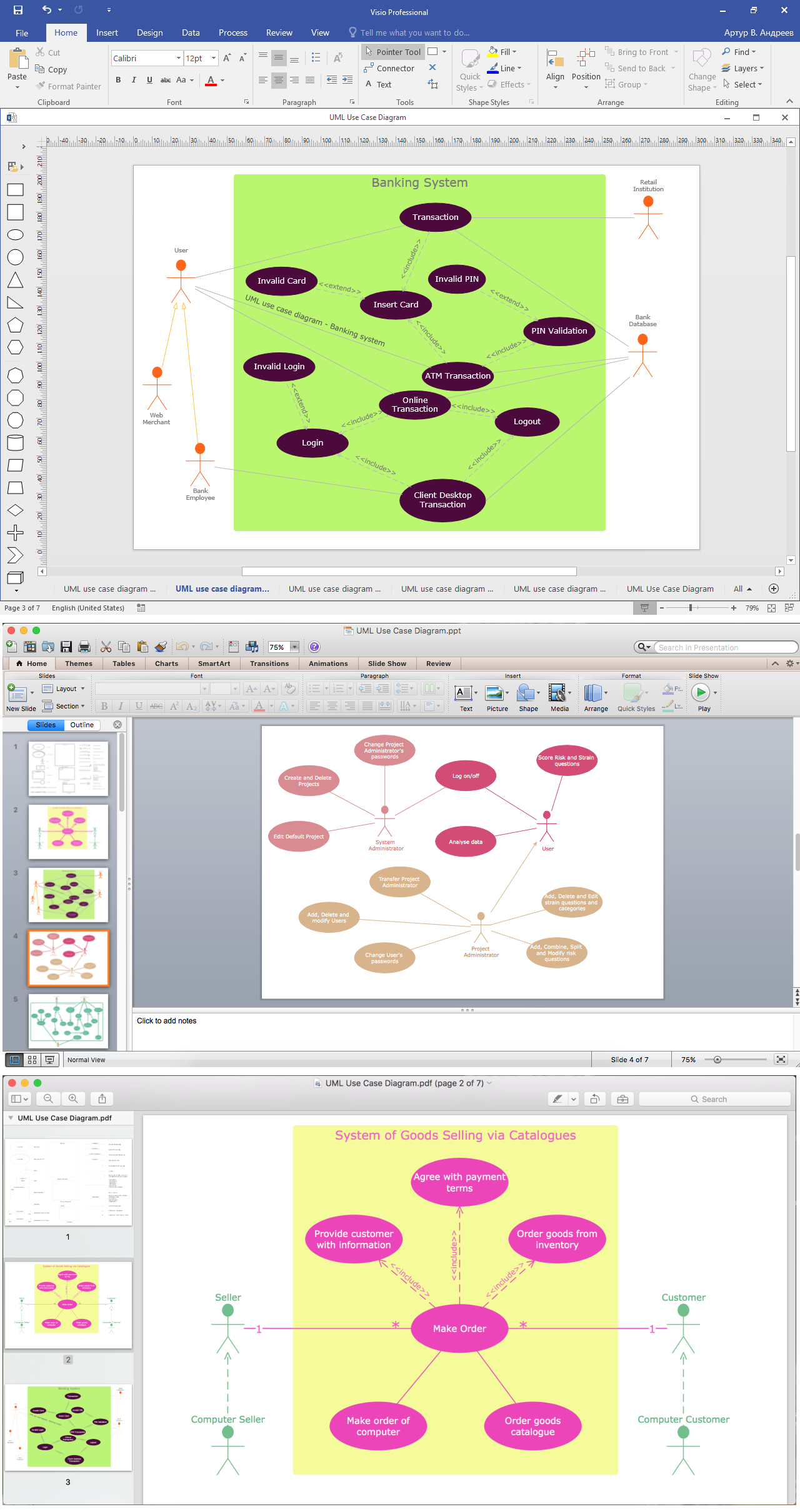
Export UML Diagram to Visio and PPT

Example 7. Export UML Diagram to Visio, PDF and PPT

Any UML Diagram created in ConceptDraw DIAGRAM can be then easy printed to share with colleagues, exported to various popular formats, including PPT, PDF, MS Visio, HTML, and many other graphic formats.
TEN RELATED HOW TO's:
Use ConceptDraw DIAGRAM software as a powerful audit application. 🔸 Create professional Audit Workflow Diagrams and Audit Process Flowcharts to ✔️ plan and implement audit process, ✔️ enhance financial transparency, ✔️ improve financial reporting, ✔️ streamline operations, ✔️ improve business efficiency, ✔️ identify risks and issues, ✔️ prevent financial fraud, ✔️ track progress, ✔️ enhance trustAudit Process Flowchart. <br> Audit Flowchart Design in ConceptDraw DIAGRAM
Picture: Understanding the Audit Process: A Comprehensive Guide. Audit Process Flowchart
Related Solution:
How to describe the necessity of using network security devices and visually illustrate this information? Now, it's very easy thanks to the ConceptDraw DIAGRAM diagramming and vector drawing software extended with Network Security Diagrams Solution from the Computer and Networks Area of ConceptDraw Solution Park.Network Security Devices *
Picture: Network Security Devices
Related Solution:
ConceptDraw DIAGRAM extended with Cross-Functional Flowcharts Solution from the Business Processes Area is a powerful software which offers a variety of Cross Functional Flowchart examples. The use of predesigned examples as the base for your own Cross Functional Flowchart Diagrams is a timesaving and useful way.Cross Functional Flowchart Examples *
Picture: Cross Functional Flowchart Examples
Related Solution:
Software development flourishes nowadays. Students have tons of educational information and courses that would fit every taste. And it's no secret that knowing how to draw data flow diagrams is a useful skill for a future software architect. The diagrams help a lot in understanding how to storage data effectively and how data processes within a system. This data flow diagram represents the model of small traditional production enterprise. It was created using Yourdon and Coad notation. The data flow diagram include four main objects: entity, process, data store and data flow. Yourdon and Coad notation uses circles to depict processes and parallel lines to represent data stores. Dataflows are shown as arrowed lines. They are labeled with the description of the data that move through them. Dataflow's role is to deliver the pieces of information. A process's function is to transform. the input data flow into output data flow. ConceptDraw Data Flow Diagrams solution contains the data flow diagram symbols of both Yourdon-Coad and Gane-Sarson notations and a set of handy templates to get started with DFD.Data Flow Diagrams *
Picture: Data Flow Diagrams
Related Solution:
There are many tools to manage a process or to illustrate an algorithm or a workflow. Flowcharting is one of those tools. However, it may be difficult to show complex processes that require multiple attributes or several people in a simple flowchart, so a cross-functional flowchart would be a solution for that situation. To create such flowchart, group processes and steps to labeled rows or columns, and divide those groups with horizontal or vertical parallel lines. It is worth mentioning that there are different types of cross-functional flowcharts, like opportunity or deployment flowchart. This diagram shows a cross-functional flowchart that was made for a trading process. It contains 14 processes, distributed through 5 lines depicting the participants who interact with the process. Also there are connectors that show the data flow of information between processes. The cross-functional flowchart displays a detailed model of the trading process, as well as all participants in the process and how they interact with each other. The lines in the flowchart indicates the position, department and role of the trading process participants.Cross-Functional Flowchart
Picture: Cross-Functional Flowchart
Related Solution:
Diagramming is an astonishing way to visualize business processes. The list of the most common business process flowchart symbols is quite long starting from basic flowcharts, continuing with SIPOC diagrams. Business process modeling was never easier than now, with special ConceptDraw Business Process Mapping solution. To carry out all professional standard requirements for business processes mapping, it is necessarily to follow the special graphical notations. ConceptDraw Business Process Mapping solution offers an exhaustive suite of tools to aid business process mapping. There are three vector libraries SIPOC Diagrams, Business Process Flowcharts, and Swim Lanes that contains totally more than 50 symbols of standard BPM notations. This is all that professionals need to effectively evaluate and manage quality in business processes.Business Process Flowchart Symbols *
Picture: Business Process Flowchart Symbols
Related Solution:
While creating flowcharts and process flow diagrams, you should use special objects to define different statements, so anyone aware of flowcharts can get your scheme right. There is a short and an extended list of basic flowchart symbols and their meaning. Basic flowchart symbols include terminator objects, rectangles for describing steps of a process, diamonds representing appearing conditions and questions and parallelograms to show incoming data. This diagram gives a general review of the standard symbols that are used when creating flowcharts and process flow diagrams. The practice of using a set of standard flowchart symbols was admitted in order to make flowcharts and other process flow diagrams created by any person properly understandable by other people. The flowchart symbols depict different kinds of actions and phases in a process. The sequence of the actions, and the relationships between them are shown by special lines and arrows. There are a large number of flowchart symbols. Which of them can be used in the particular diagram depends on its type. For instance, some symbols used in data flow diagrams usually are not used in the process flowcharts. Business process system use exactly these flowchart symbols.Basic Flowchart Symbols Meaning
Picture: Basic of Flowchart: Meaning and Symbols
Related Solution:
UML Interaction Overview Diagram schematically shows a control flow with nodes and a sequence of activities that can contain interaction or sequence diagrams.Diagramming Software for Design UML Interaction Overview Diagrams *
Picture: Diagramming Software for Design UML Interaction Overview Diagrams
No security system cannot be constructed without detailed security plan, or even a set of plans in some cases. ConceptDraw DIAGRAM software offers the Security and Access Plans Solution from the Building Plans Area to help you design the Security Plans for any premises and of any complexity.Security Plans *
Picture: Security Plans
Related Solution:
It doesn’t matter what kind of business you have, a bar or a gym, there are common concepts for any of them. One of those concepts is accounting, and to facilitate the work with the figures, you can use accounting flowchart symbols and create a clear and representative scheme. You can create flowchart for auditing, tax accounting and even for planning your own budget. A graphical tool for displaying successive processes is flowchart. This method is mostly suited to represent an accounting process. The sequence of steps in the accounting process usually consists of standard accounting procedures, that can be depicted by using a minimal number of symbols, applied for the basic flowcharting. The advanced opportunity to create professional Accounting Flow charts is provided by ConceptDraw Accounting Flowcharts solution. It includes contains a library of accounting flowchart symbols used when drawing the accounting process flow.Accounting Flowchart Symbols
Picture: Accounting Flowchart Symbols
Related Solution:
ConceptDraw
DIAGRAM 18