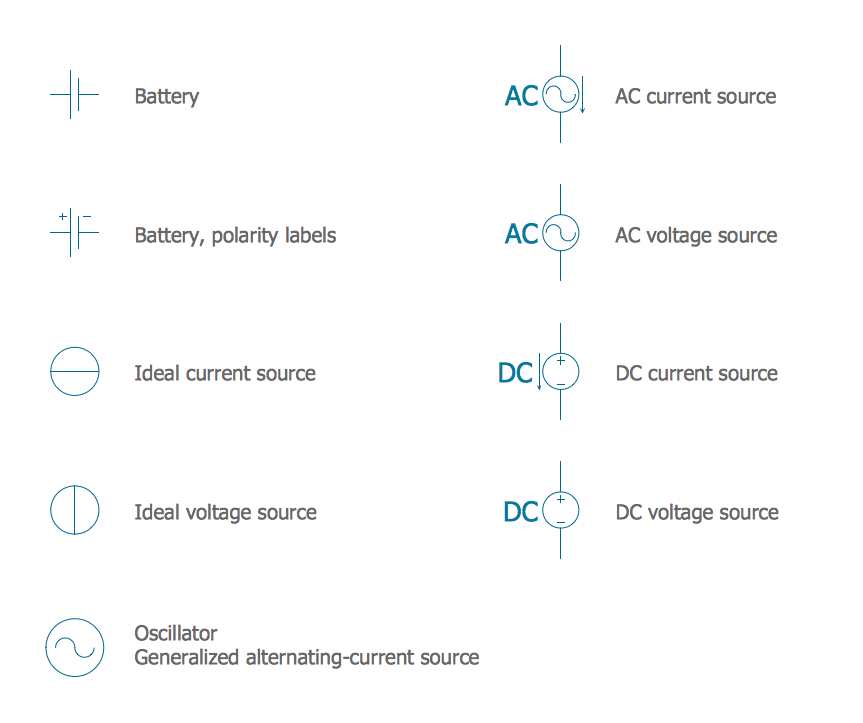
Electrical Symbols — Power Sources
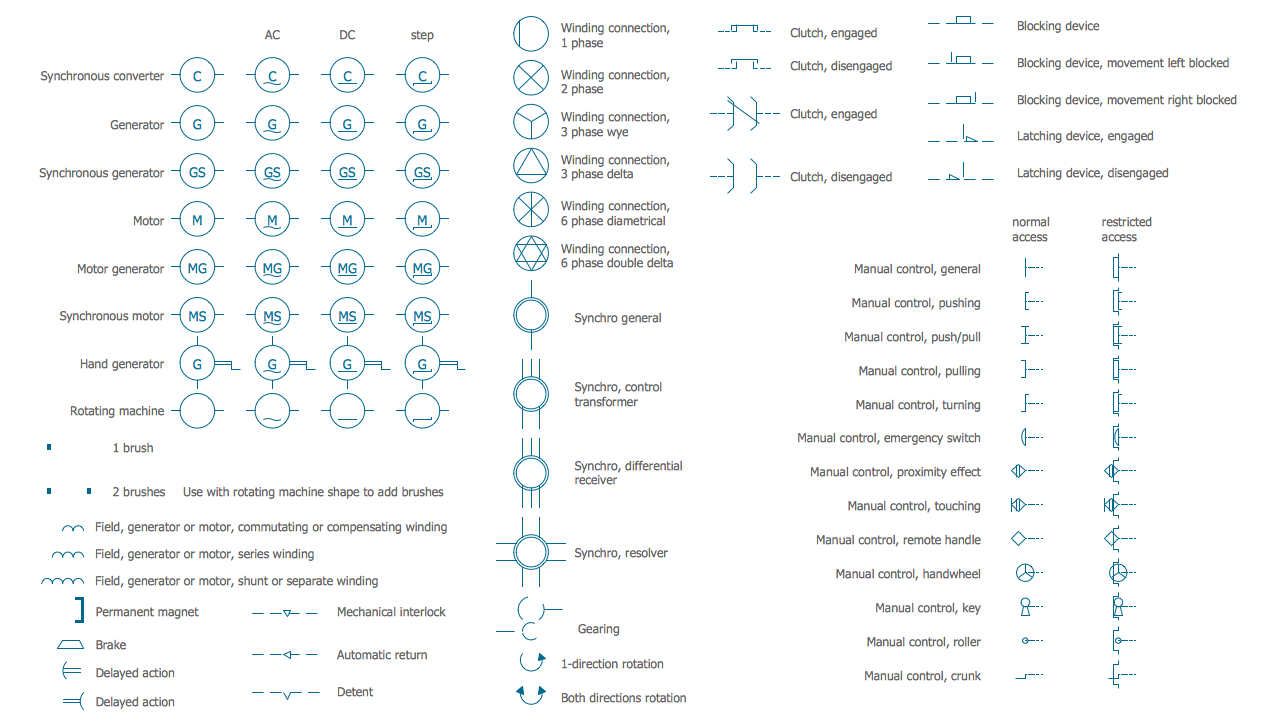
Electrical Symbols — Rotating Equipment
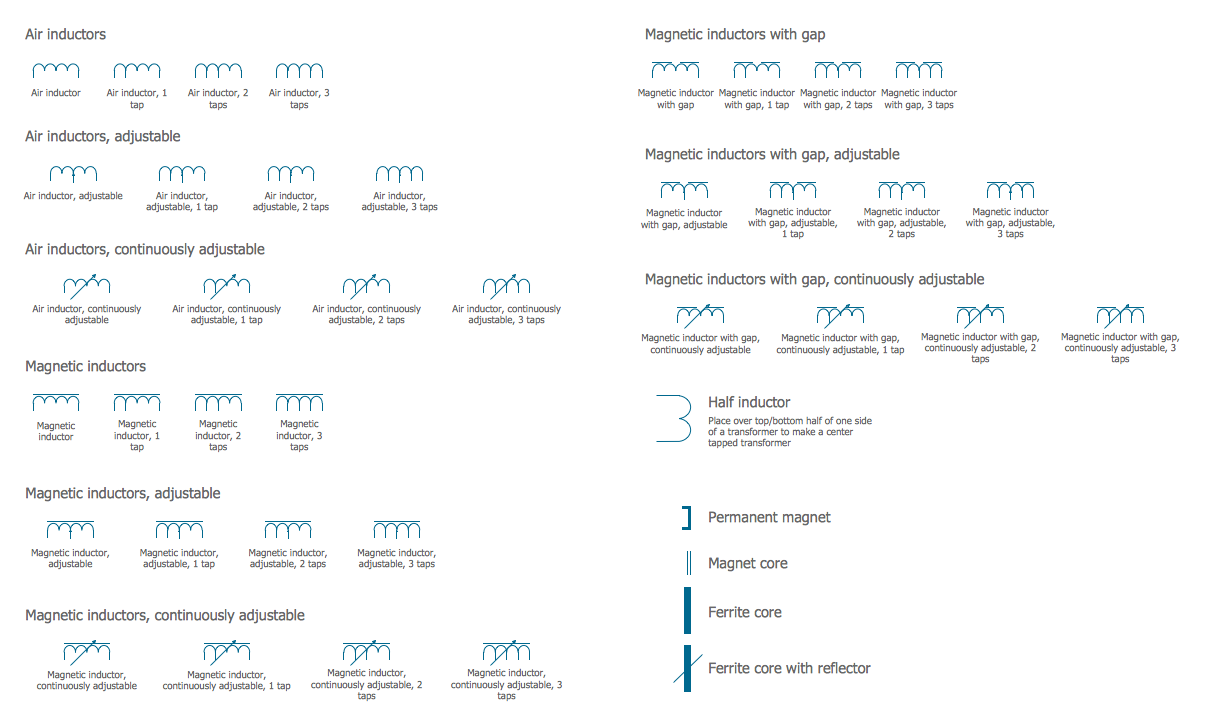
Electrical Symbols — Inductors
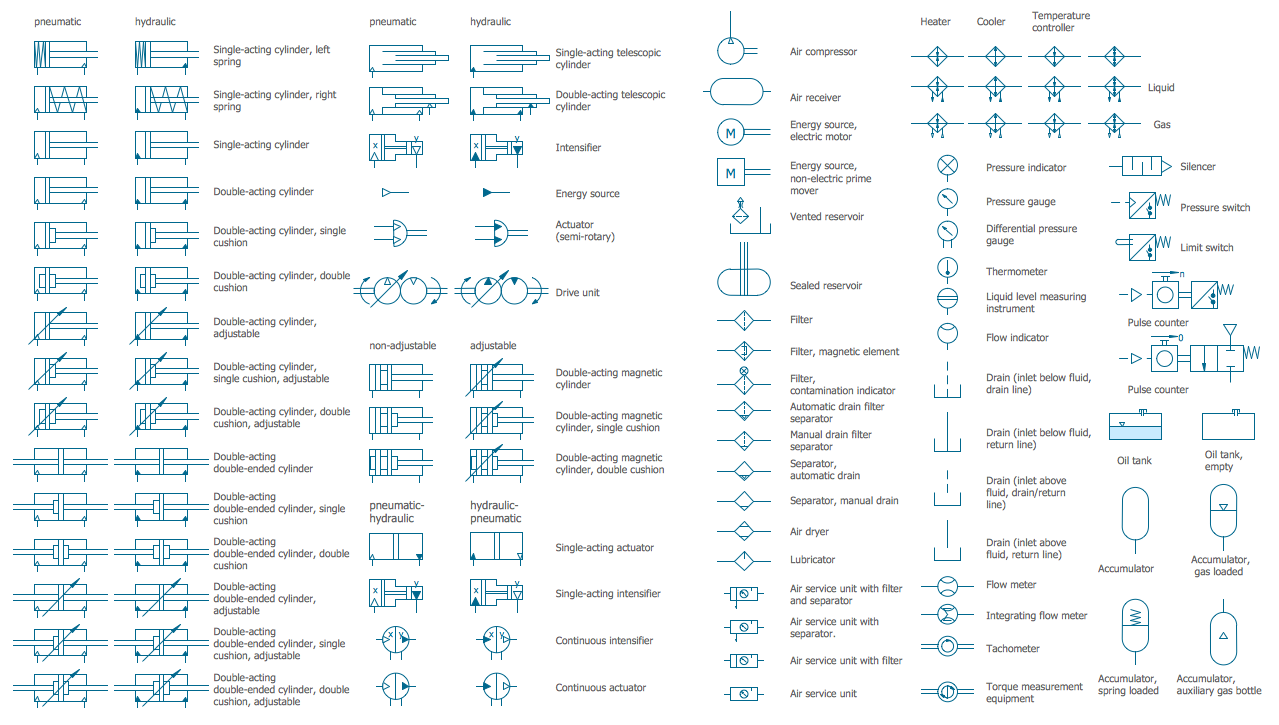
The vector stencils library "Fluid power equipment" contains 113 symbols of hydraulic and pneumatic equipment including pumps, motors, air compressors, cylinders, meters, gauges, and actuators.
Use it to design fluid power and hydraulic control systems in the ConceptDraw PRO diagramming and vector drawing software extended with the Mechanical Engineering solution from the Engineering area of ConceptDraw Solution Park.
www.conceptdraw.com/ solution-park/ engineering-mechanical
Use it to design fluid power and hydraulic control systems in the ConceptDraw PRO diagramming and vector drawing software extended with the Mechanical Engineering solution from the Engineering area of ConceptDraw Solution Park.
www.conceptdraw.com/ solution-park/ engineering-mechanical
Actuator (semi-rotary), pneumatic
,-pneumatic-fluid-power-equipment---vector-stencils-library.png--diagram-flowchart-example.png)
Actuator (semi-rotary), hydraulic
,-hydraulic-fluid-power-equipment---vector-stencils-library.png--diagram-flowchart-example.png)
Drive unit, pneumatic
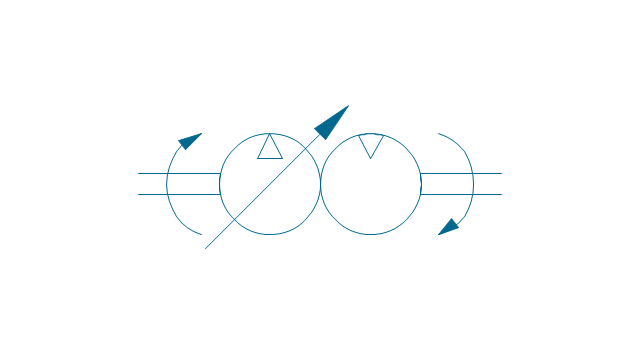
Drive unit, hydraulic
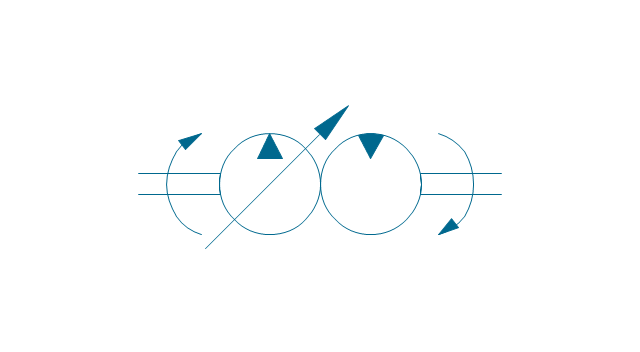
Sgl-act. cylinder, pneum., left spring
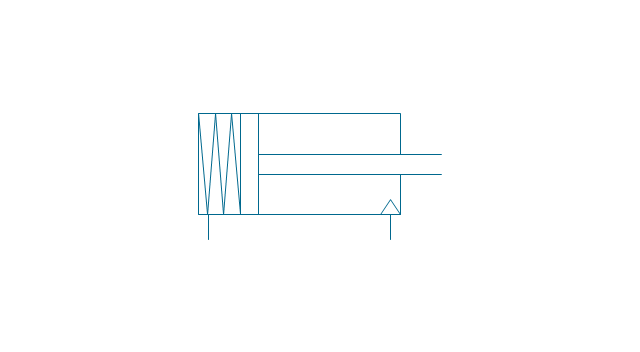
Sgl-act. cylinder, pneum., right spring
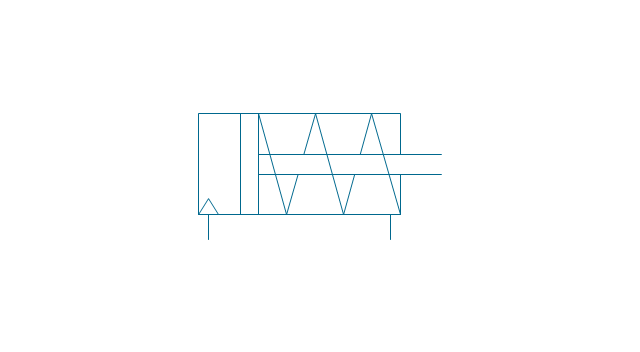
Sgl-act. cylinder, pneumatic
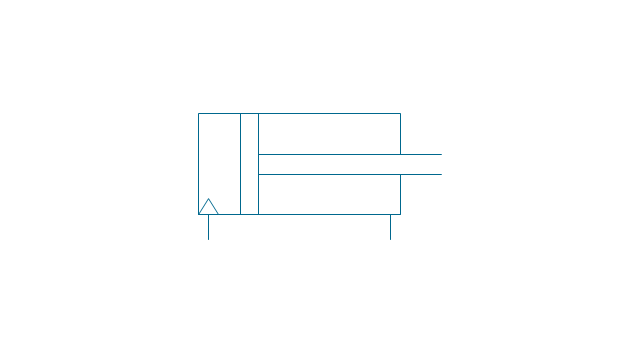
Sgl-act. cylinder, hydr., left spring
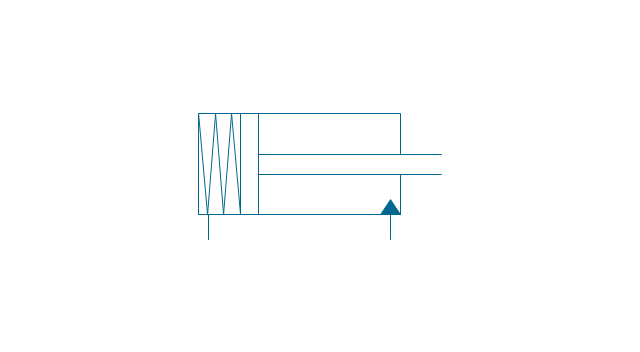
Sgl-act. cylinder, hydr., right spring
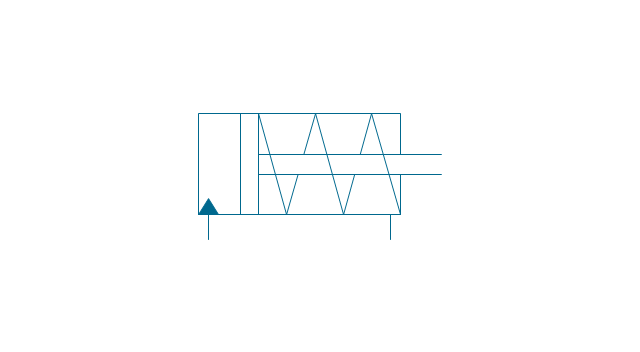
Sgl-act. cylinder, hydraulic
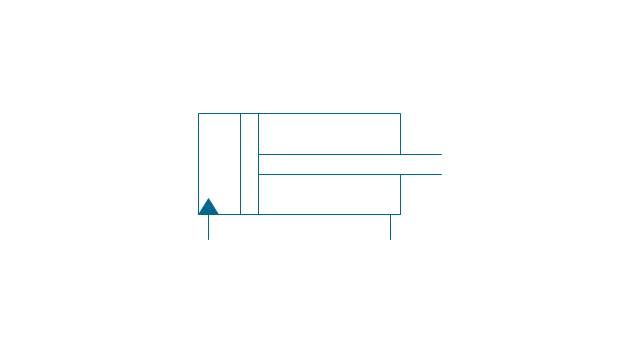
Dbl-act. cylinder, pneumatic
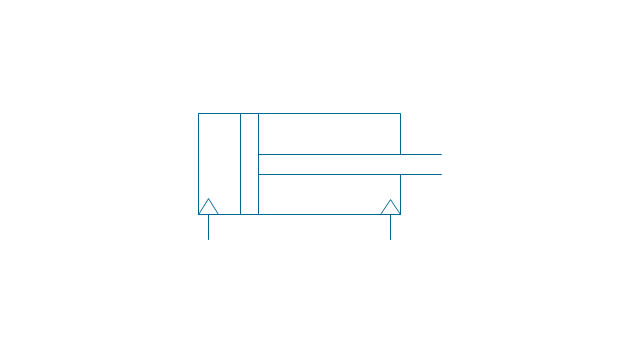
Dbl-act. cylinder, pneum., sgl cushion
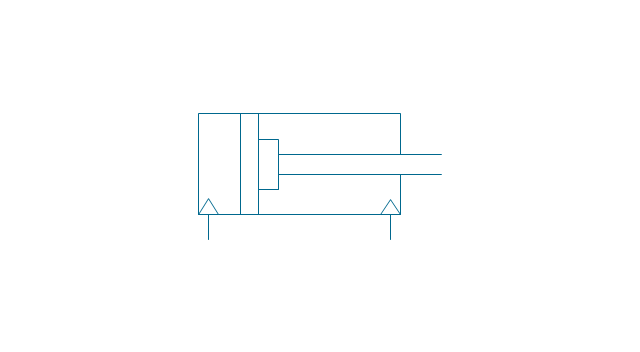
Dbl-act. cylinder, pneum., dbl cushion
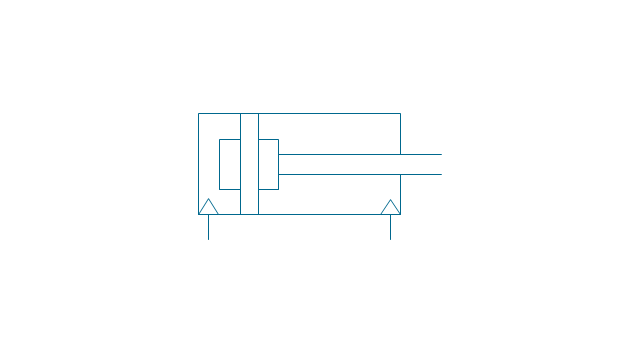
Dbl-act. cylinder, pneum., adjustable
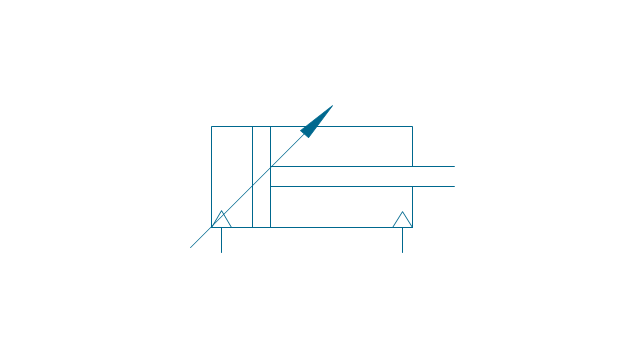
Dbl-act. cylinder, pneum., sgl cushion, adj.
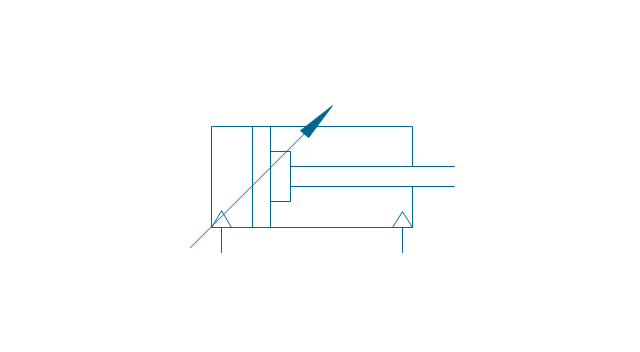
Dbl-act. cylinder, pneum., dbl cushion, adj.
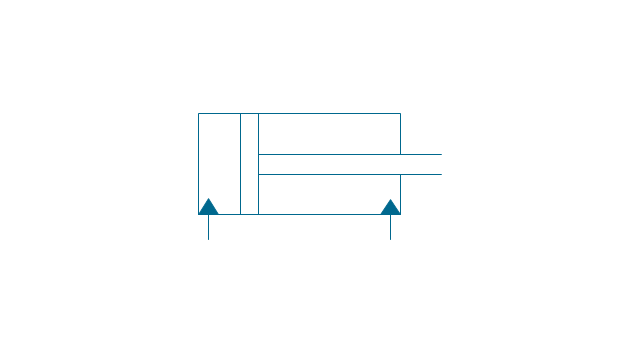
Dbl-act. cylinder, hydraulic
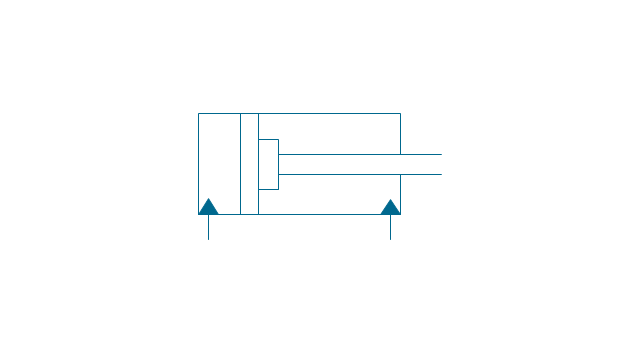
Dbl-act. cylinder, hydr., sgl cushion
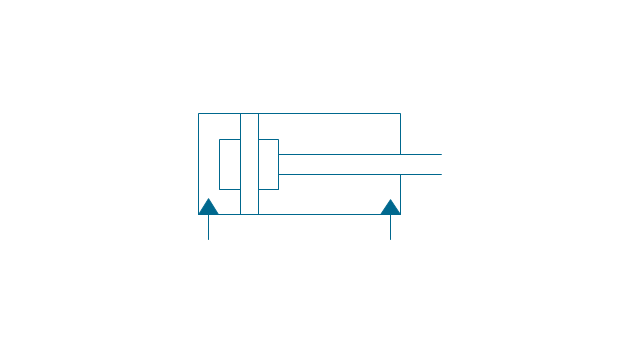
Dbl-act. cylinder, hydr., dbl cushion
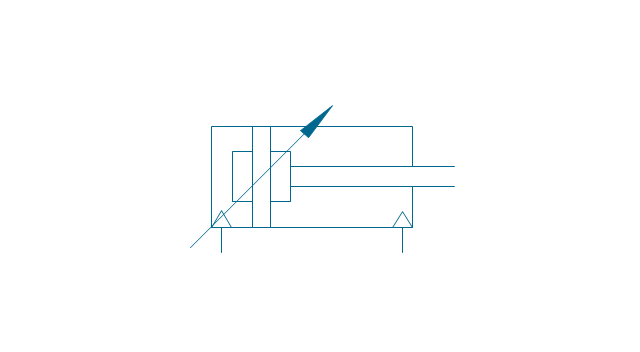
Dbl-act. cylinder, hydr., adjustable
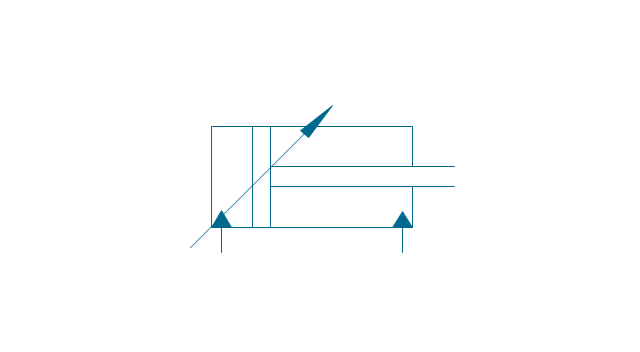
Dbl-act. cylinder, hydr., sgl cushion, adj.
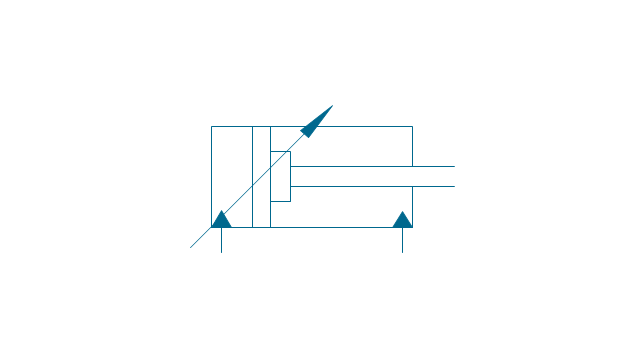
Dbl-act. cylinder, hydr., dbl cushion, adj.
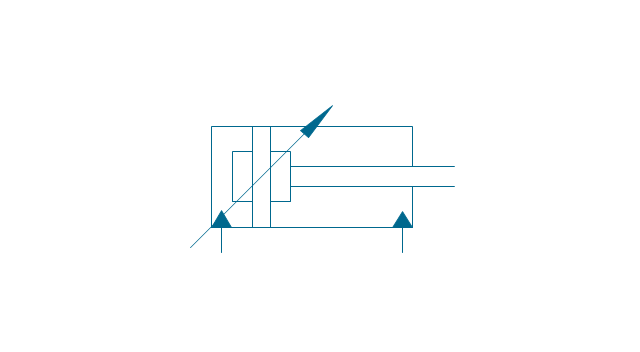
Dbl-act. cylinder, magnetic
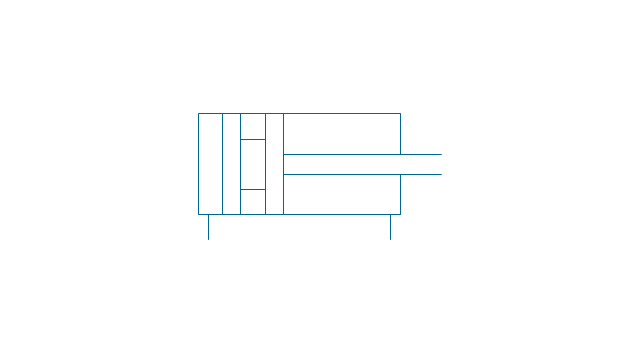
Dbl-act. cylinder, magn., sgl cushion
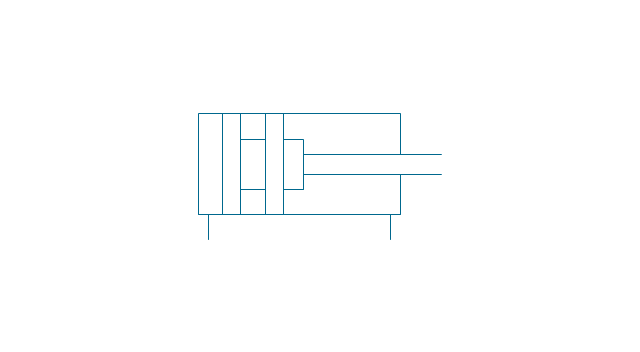
Dbl-act. cylinder, magn., dbl cushion
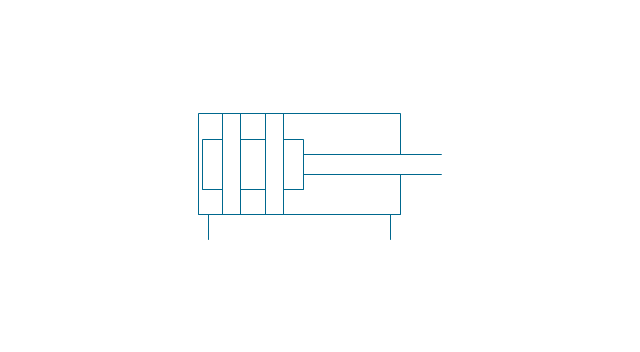
Dbl-act. cylinder, magn., adjustable
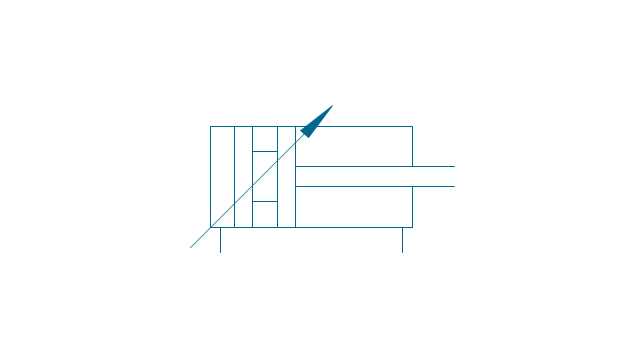
Dbl-act. cylinder, magn., sgl cushion, adj.
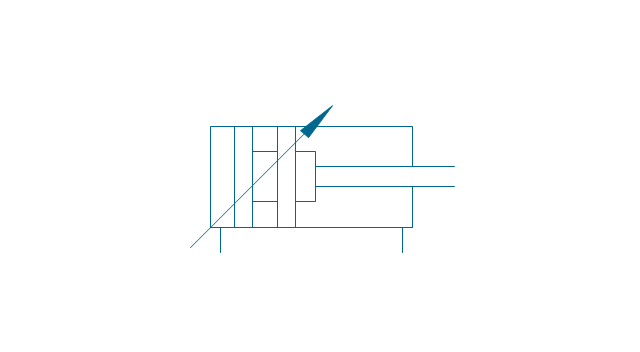
Dbl-act. cylinder, magn., dbl cushion, adj.
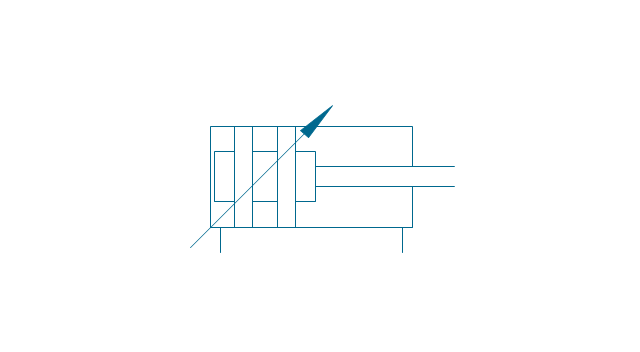
Dbl-act. dbl-end. cylinder, pneumatic
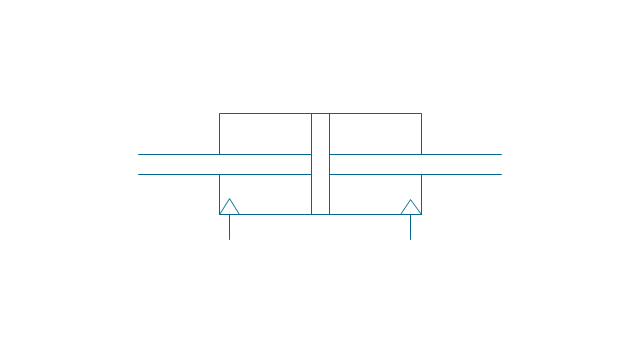
Dbl-act. dbl-end. cylinder, pneum., sgl cushion
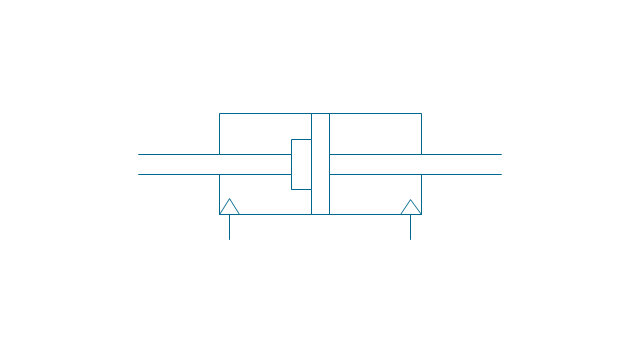
Dbl-act. dbl-end. cylinder, pneum., dbl cushion
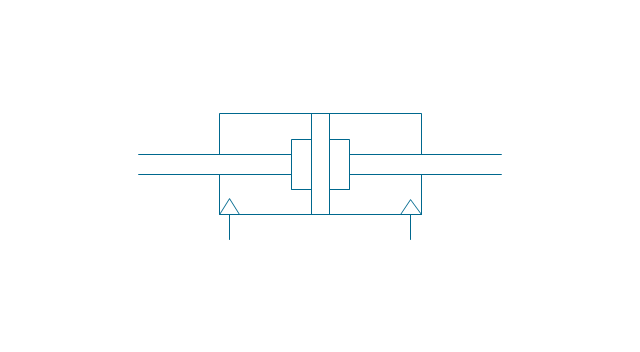
Dbl-act. dbl-end. cylinder, pneum., adjustable
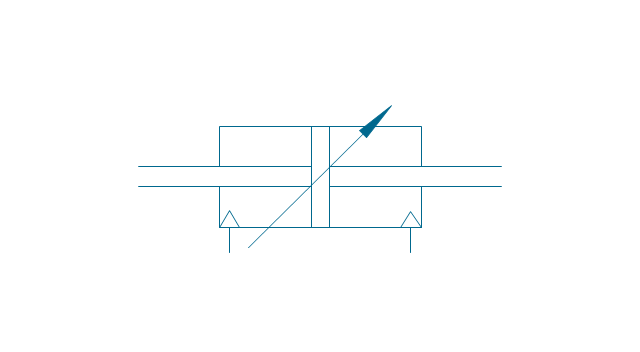
Dbl-act. dbl-end. cylinder, pneum., sgl cushion, adj.
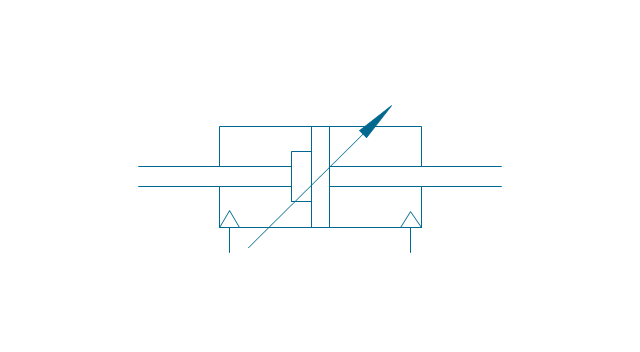
Dbl-act. dbl-end. cylinder, pneum., dbl cushion, adj.
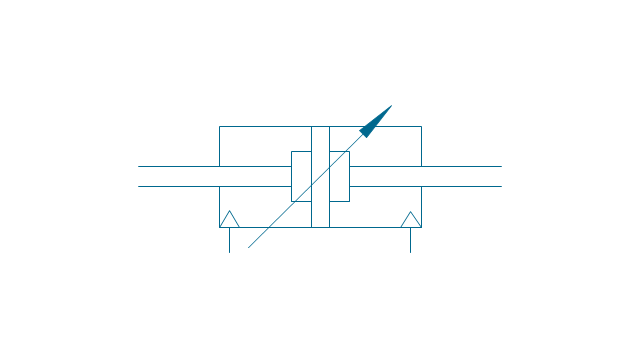
Dbl-act. dbl-end. cylinder, hydraulic
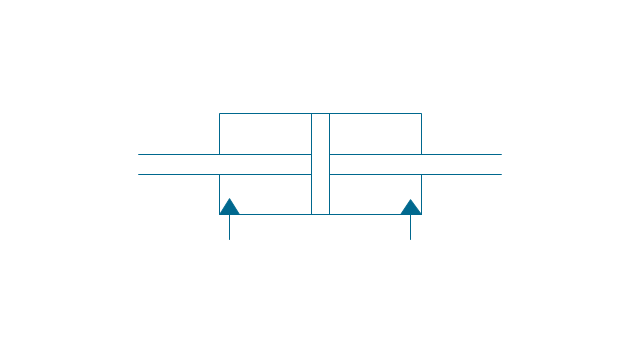
Dbl-act. dbl-end. cylinder, hydr., sgl cushion
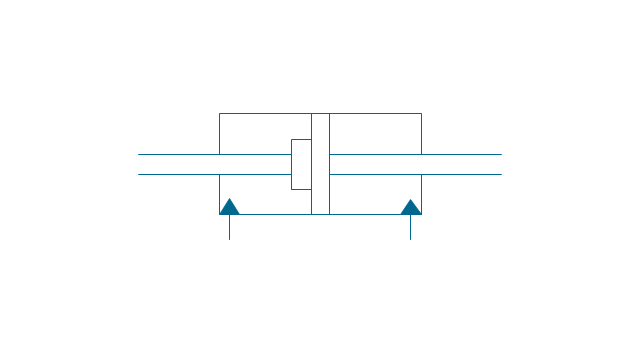
Dbl-act. dbl-end. cylinder, hydr., dbl cushion
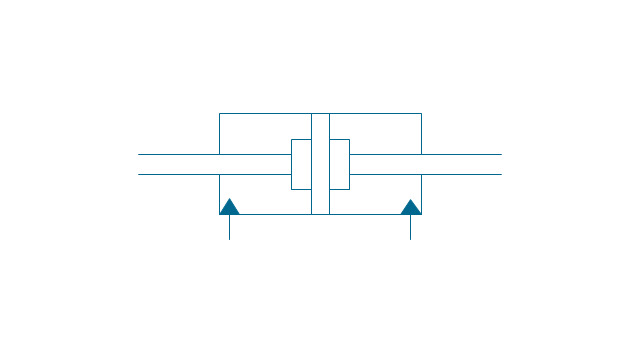
Dbl-act. dbl-end. cylinder, hydr., adjustable
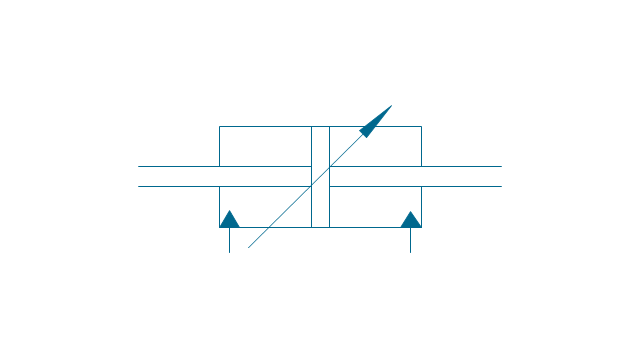
Dbl-act. dbl-end. cylinder, hydr., sgl cushion, adj.
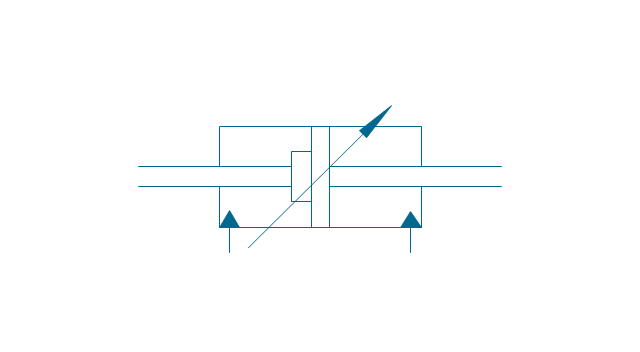
Dbl-act. dbl-end. cylinder, hydr., dbl cushion, adj.
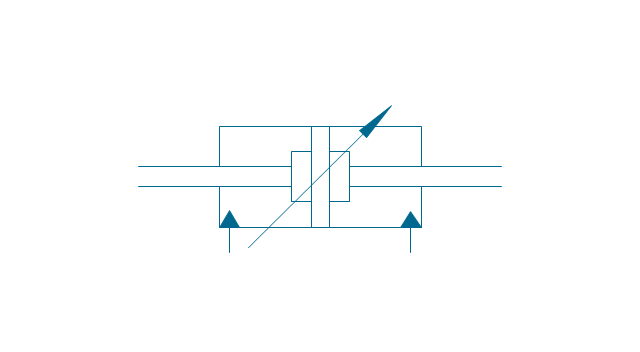
Telescopic cylinder, pneum., dbl-act.
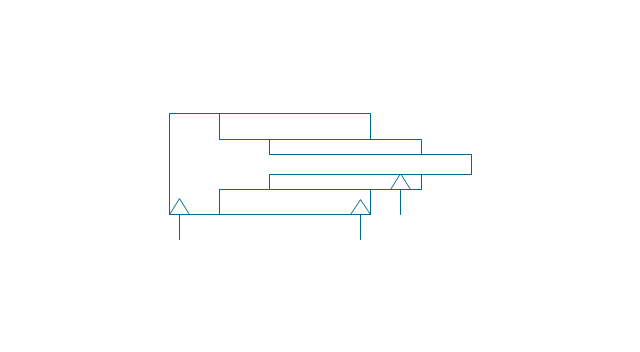
Telescopic cylinder, hydr., dbl-act.
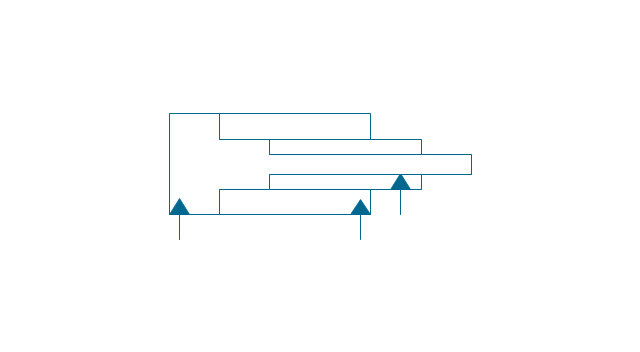
Telescopic cylinder, pneum., sgl-act.
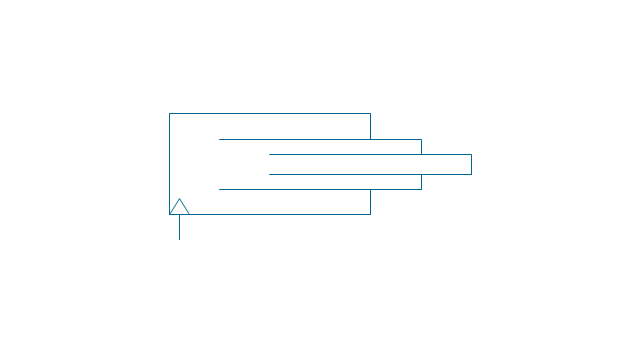
Telescopic cylinder, hydr., sgl-act.
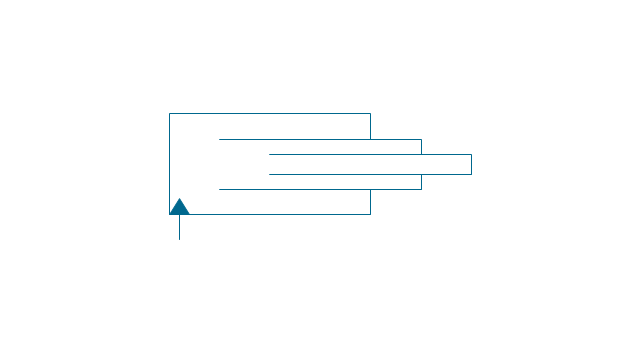
Actuator, hydraulic-pneumatic
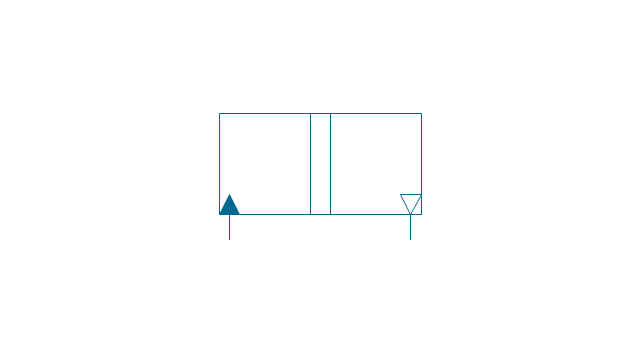
Actuator, pneumatic-hydraulic
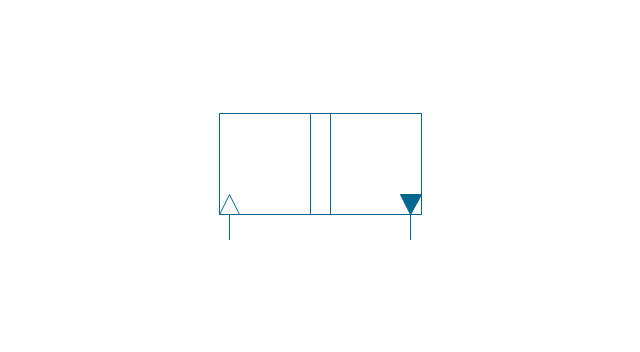
Intensifier, pneumatic
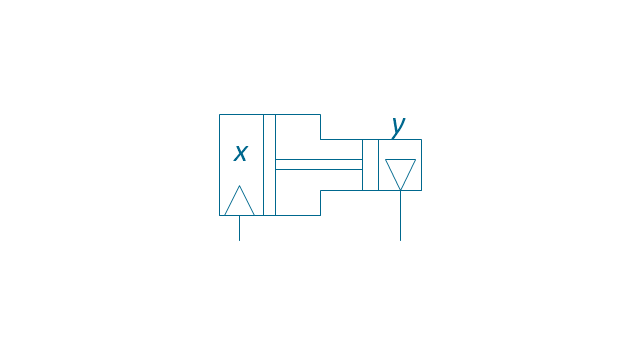
Intensifier, hydraulic
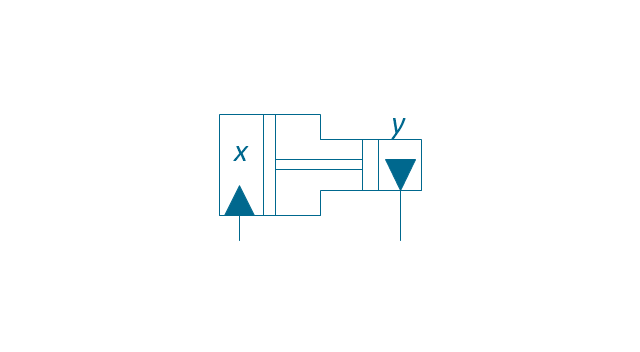
Intensifier, hydraulic-pneumatic
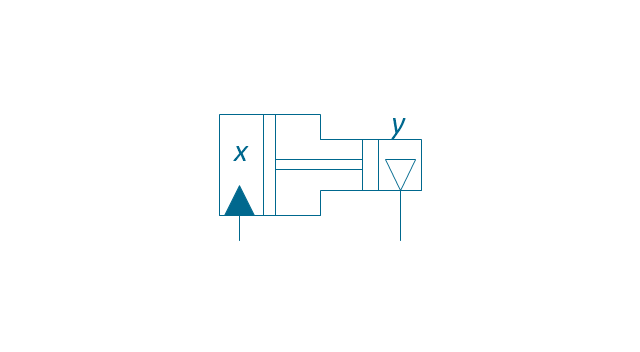
Intensifier, pneumatic-hydraulic
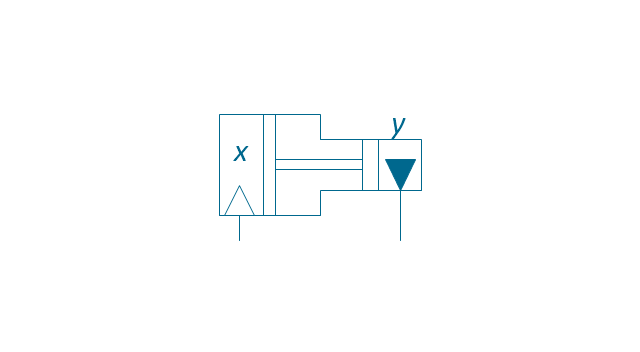
Intensifier, pneumatic-hydraulic
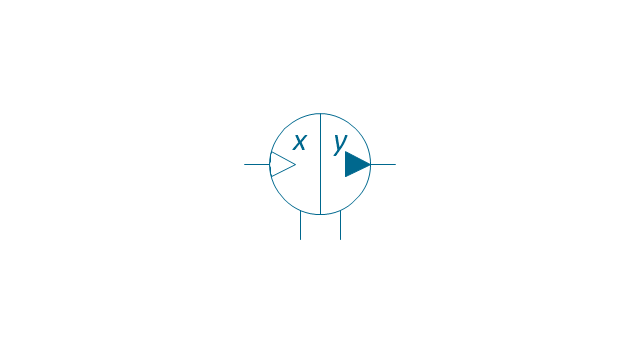
Intensifier, hydraulic-pneumatic
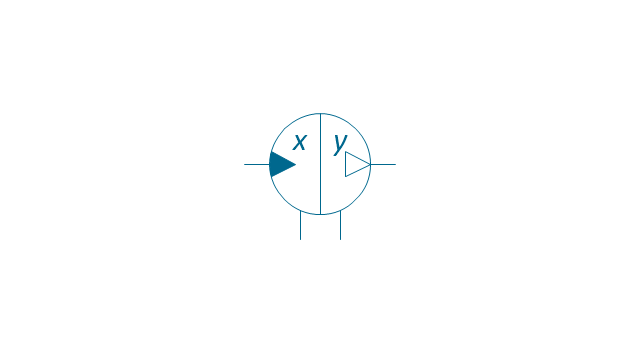
Actuator, pneumatic-hydraulic
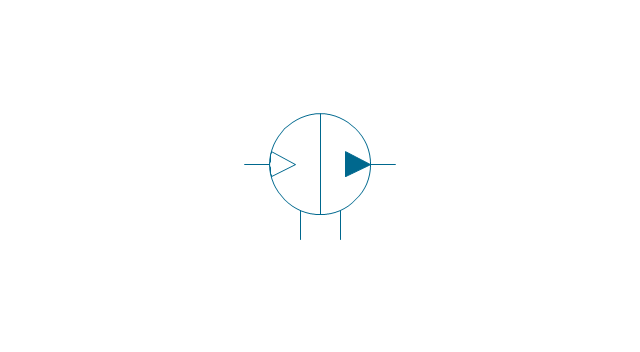
Actuator, hydraulic-pneumatic
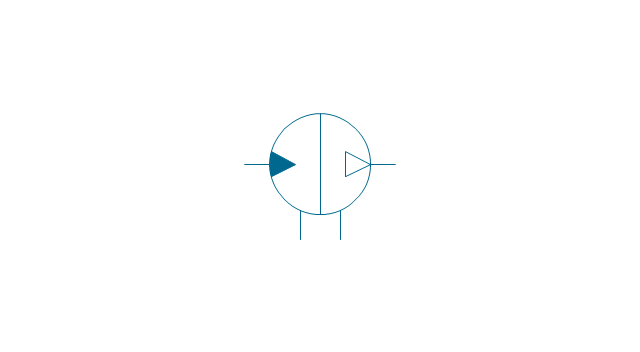
Accumulator
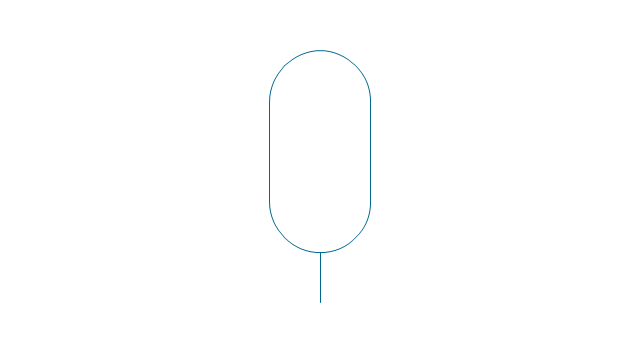
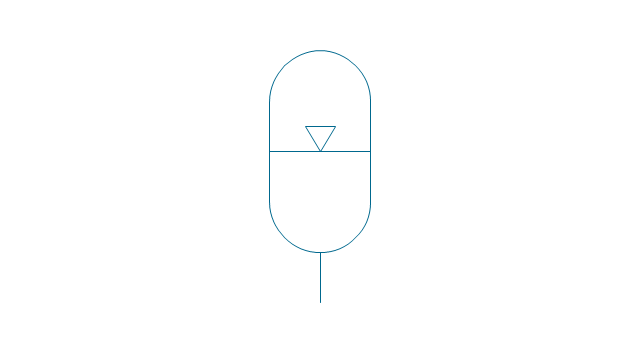
Accumulator, gas loaded
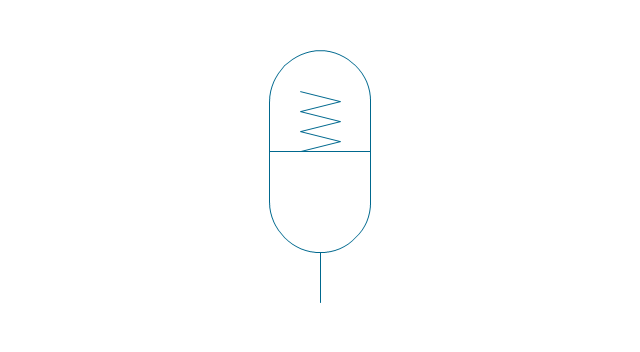
Accumulator, spring loaded
Accumulator, auxiliary gas bottle
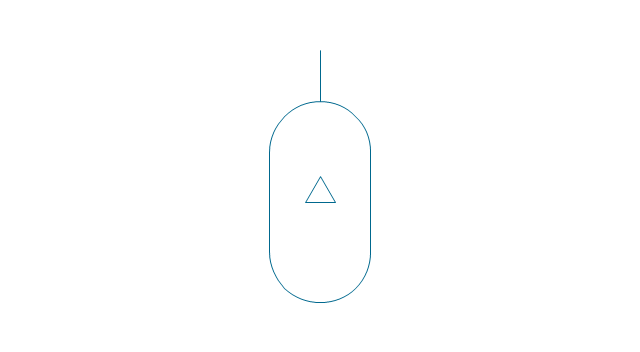
Air receiver

Energy source, pneumatic
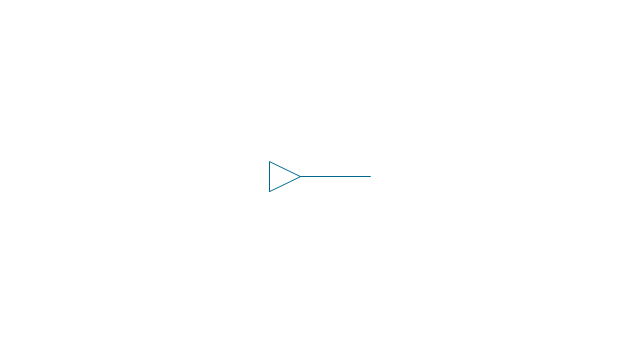
Energy source, hydraulic
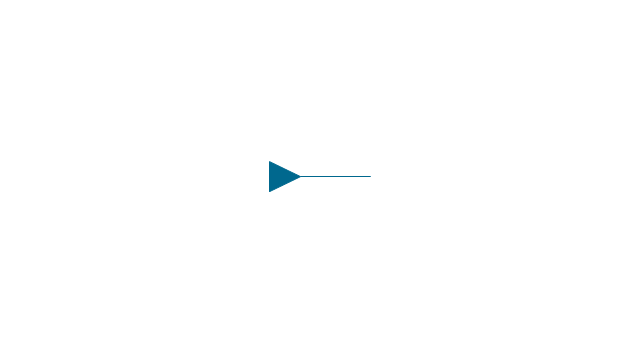
Energy source, electric motor
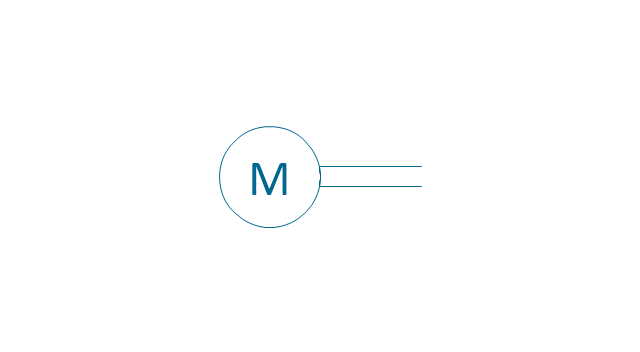
Energy source, non-electric prime mover
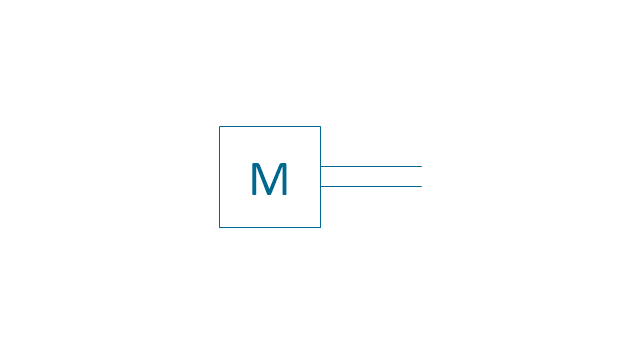
Vented reservoir
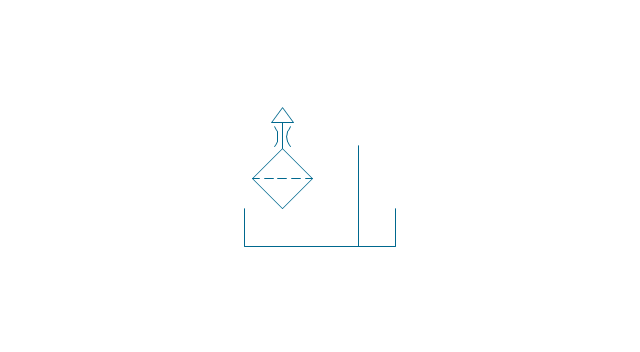
Sealed reservoir
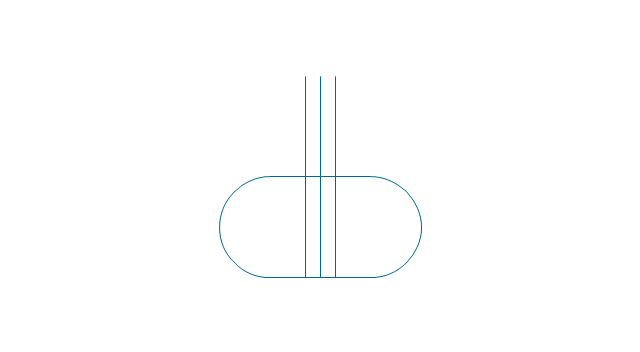
Filter
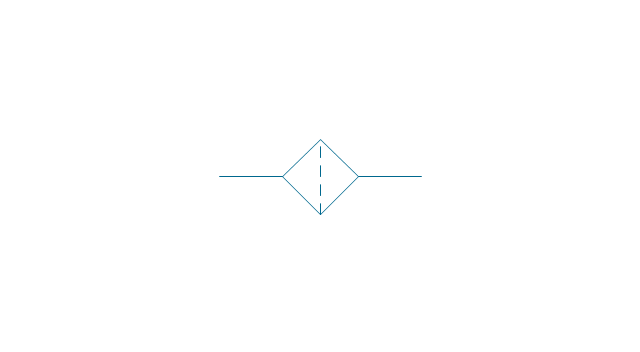
Filter, magnetic element
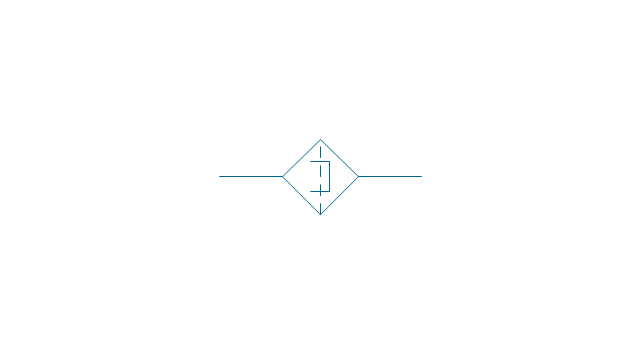
Filter, contamination indicator
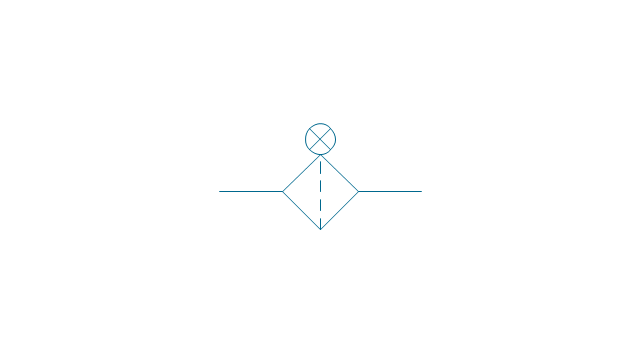
Automatic drain filter separator
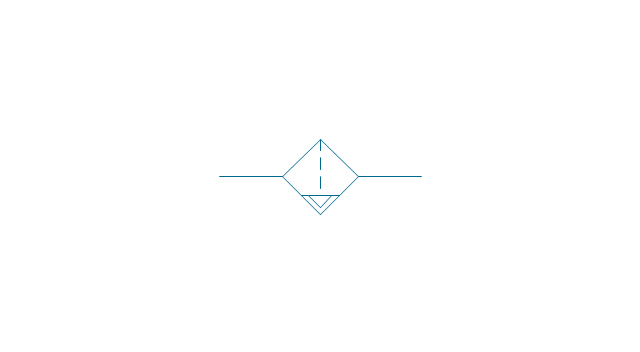
Manual drain filter separator
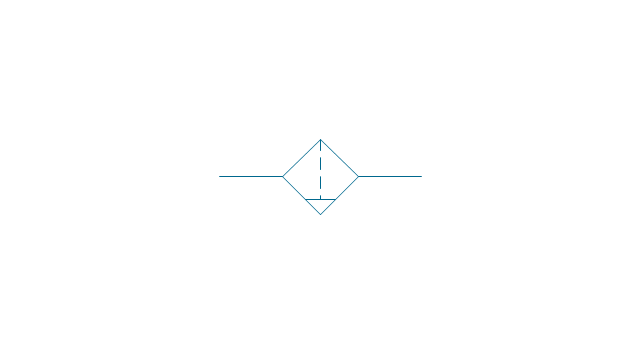
Separator, automatic drain
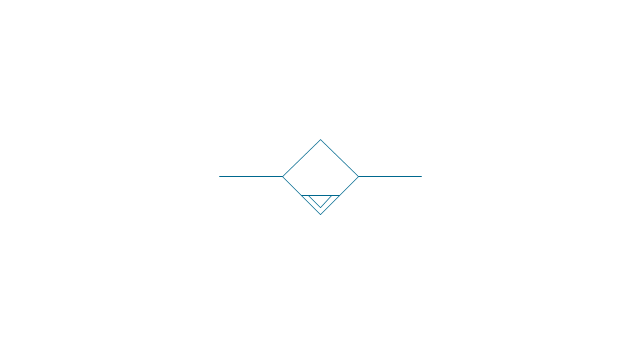
Separator, manual drain
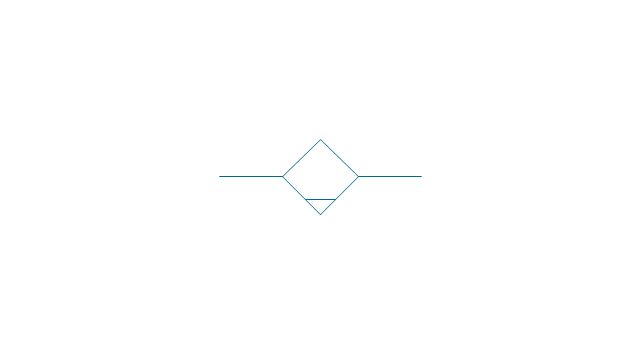
Air dryer
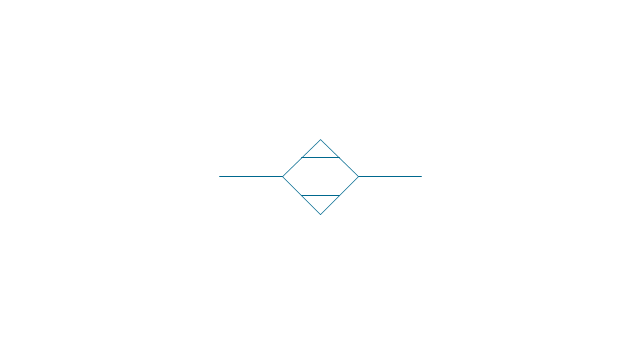
Lubricator
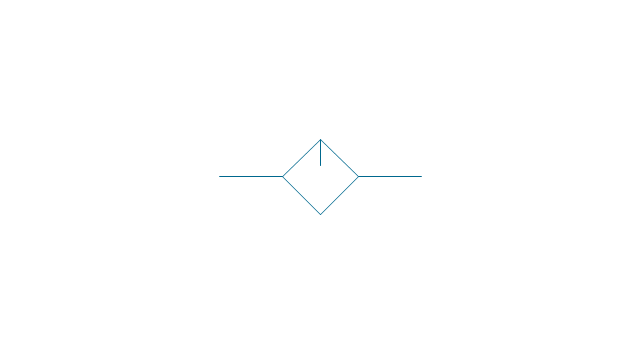
Air service unit, filter, separator
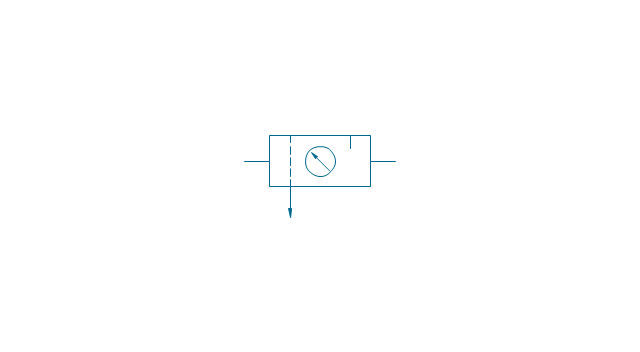
Air service unit, separator
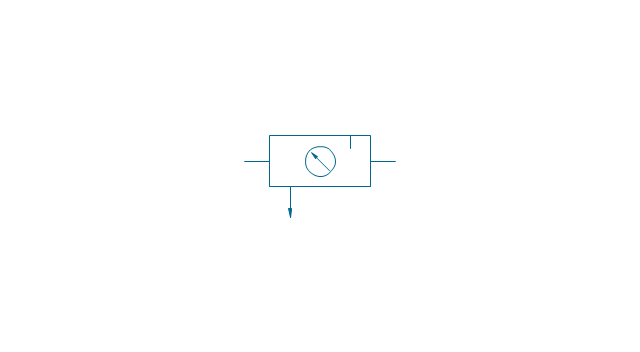
Air service unit, filter
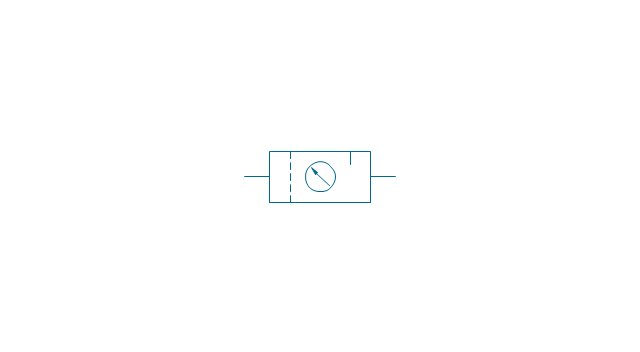
Air service unit
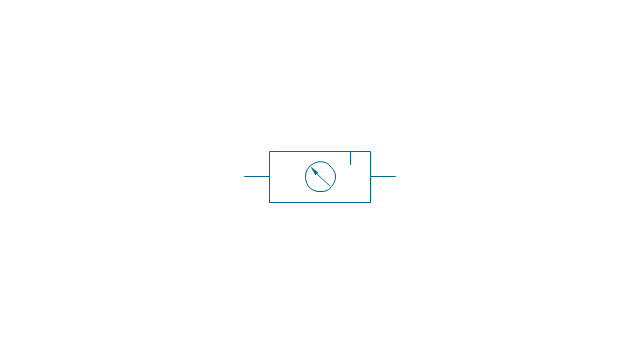
Liquid cooler
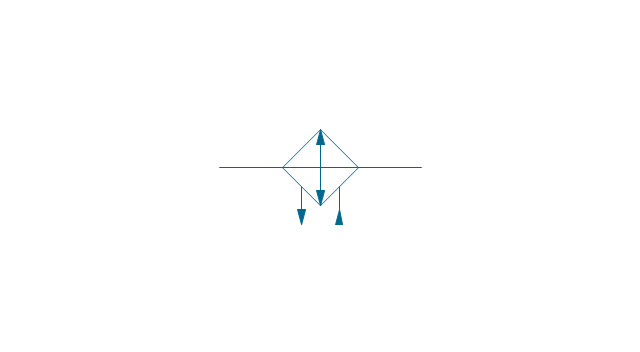
Gas cooler
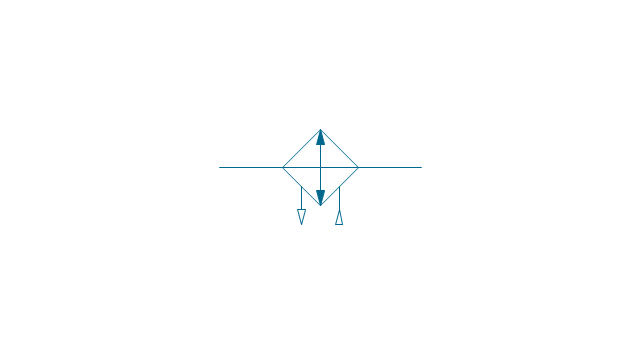
Cooler
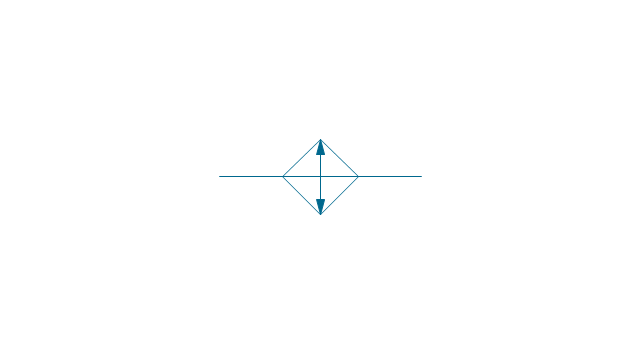
Liquid heater
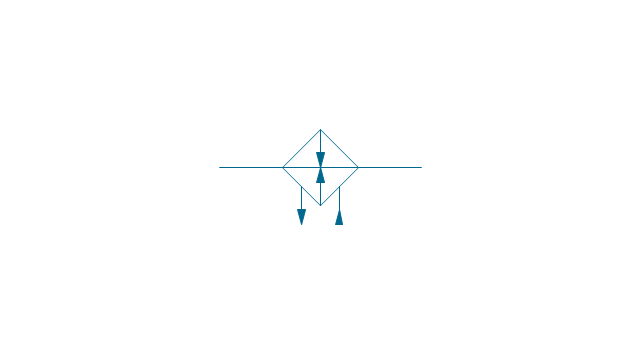
Gas heater
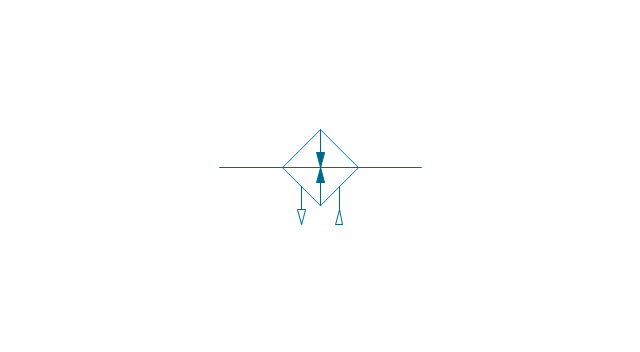
Heater
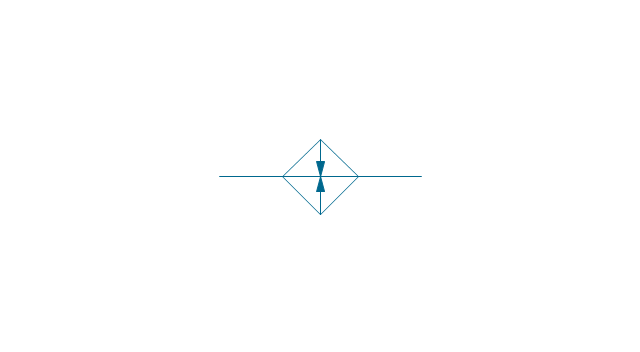
Liquid temperature controller
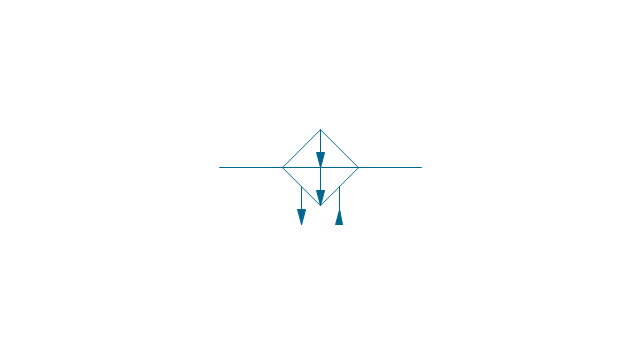
Gas temperature controller
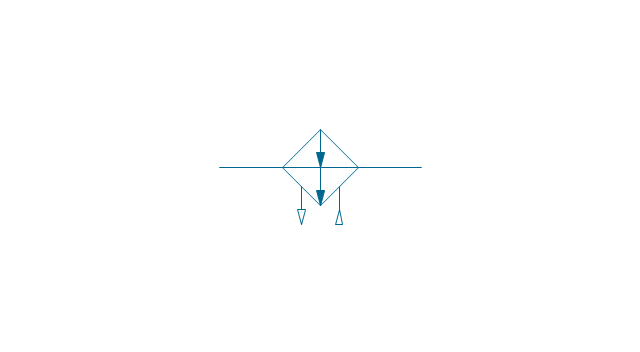
Temperature controller
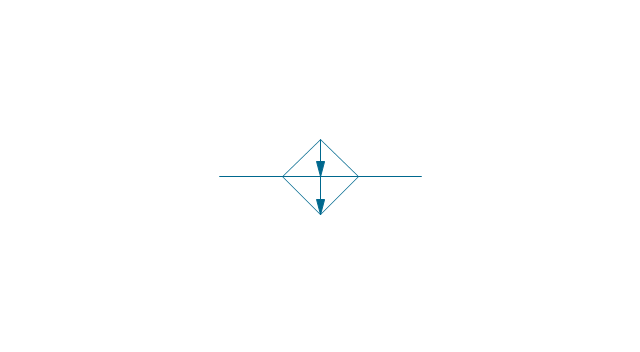
Liquid temperature controller 2
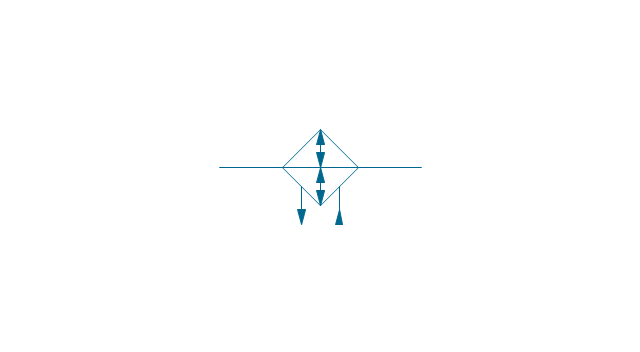
Gas temperature controller 2
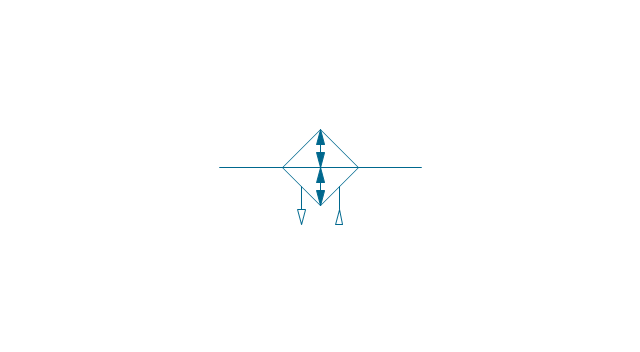
Temperature controller 2
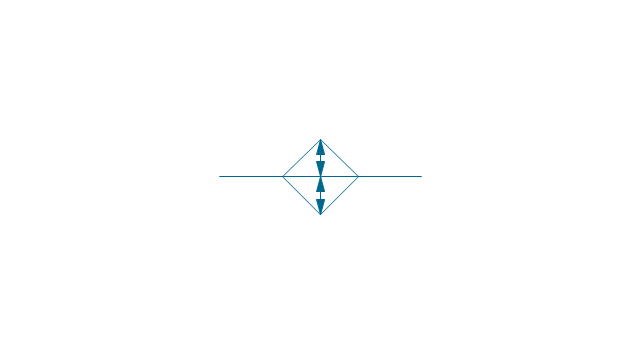
Pressure indicator
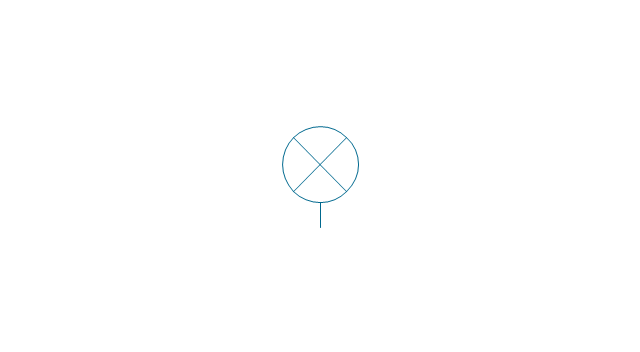
Pressure gauge
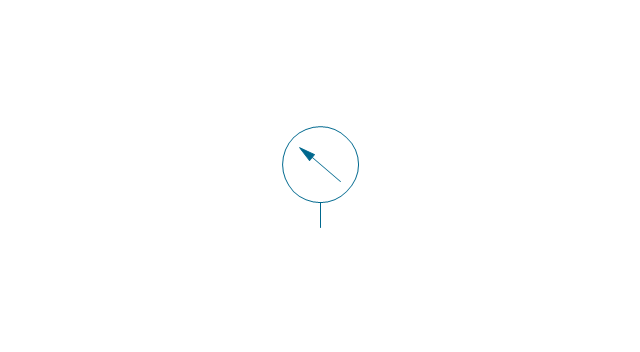
Differential pressure gauge
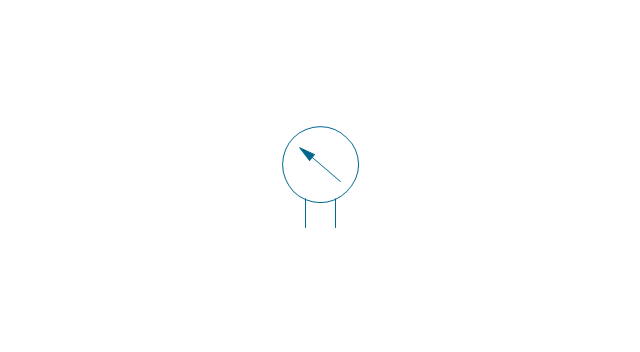
Thermometer

Liquid level measuring instrument
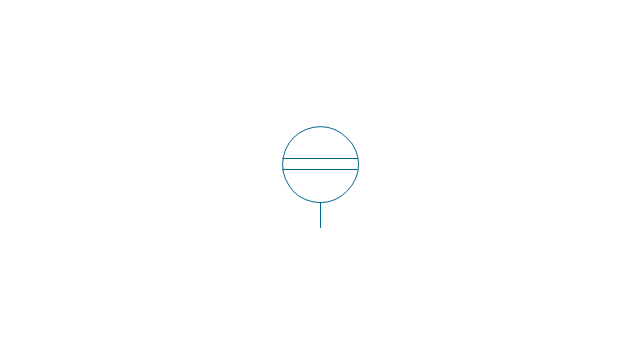
Flow indicator
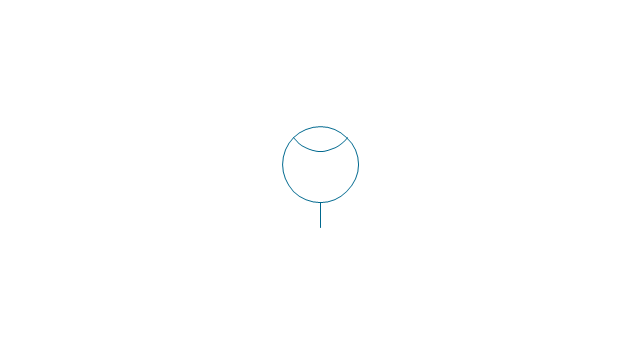
Flow meter
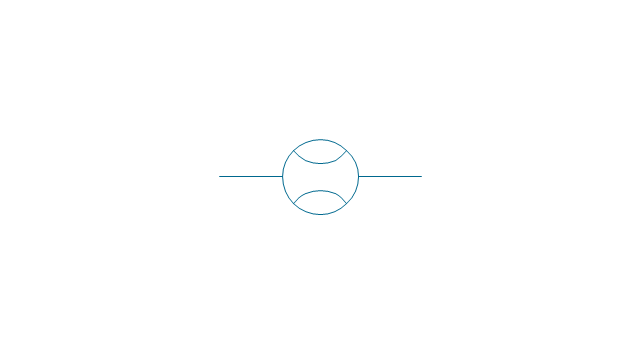
Integrating flow meter
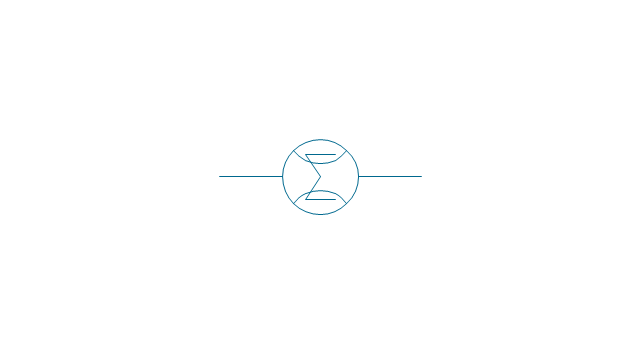
Tachometer
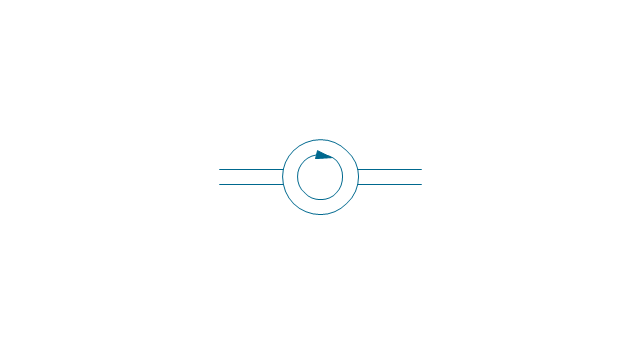
Torque measurement equipment
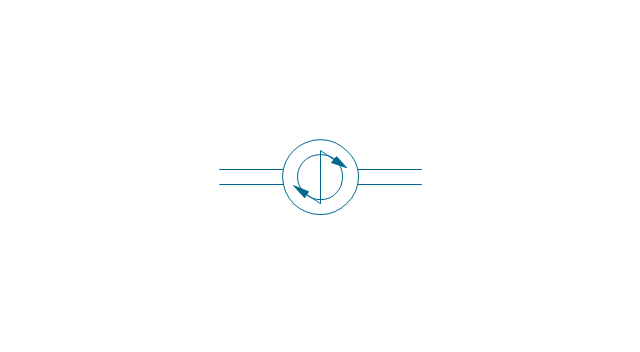
Pressure switch
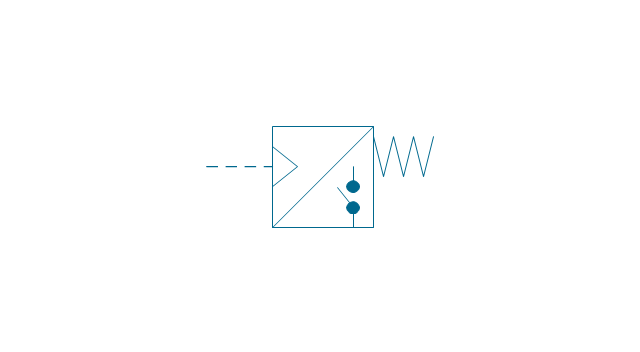
Limit switch
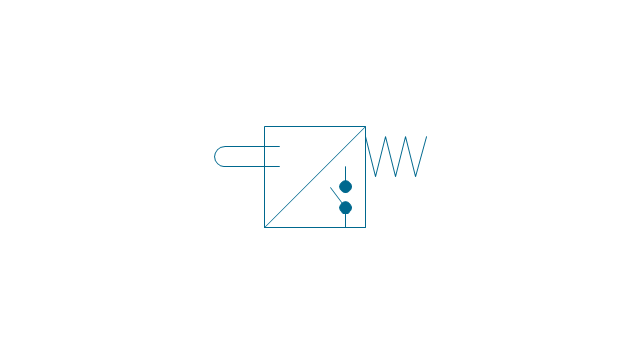
Transducer
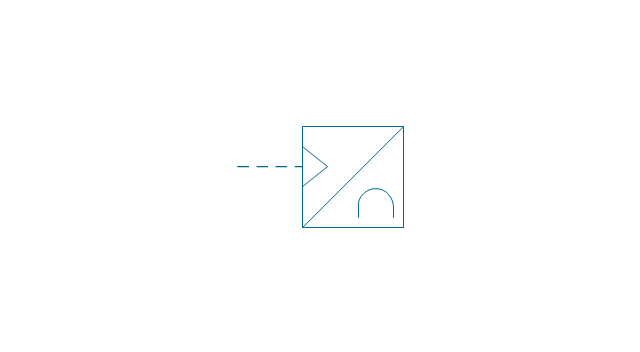
Pulse counter
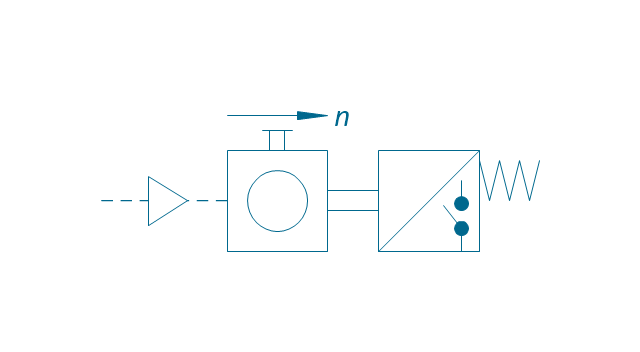
Pulse counter 2
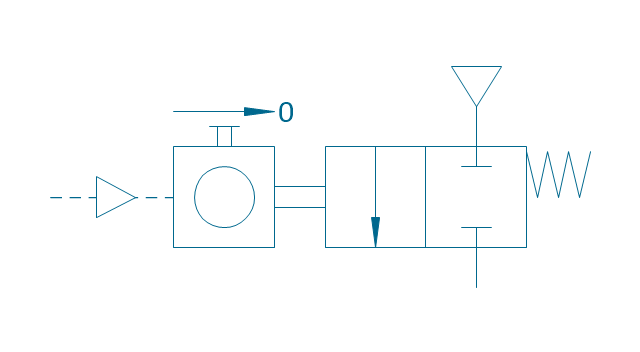
Silencer
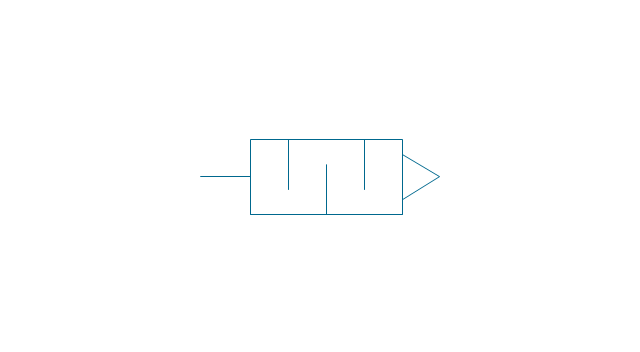
Drain (inlet below fluid, drain line)
-fluid-power-equipment---vector-stencils-library.png--diagram-flowchart-example.png)
Drain (inlet below fluid, return line)
-fluid-power-equipment---vector-stencils-library.png--diagram-flowchart-example.png)
Drain (inlet above fluid, drain line)
-fluid-power-equipment---vector-stencils-library.png--diagram-flowchart-example.png)
Drain (inlet above fluid, return line)
-fluid-power-equipment---vector-stencils-library.png--diagram-flowchart-example.png)
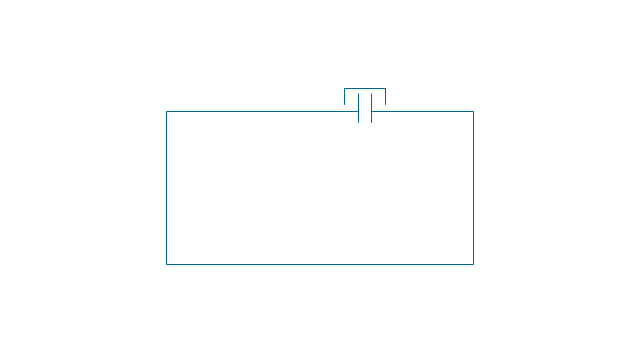
Oil tank
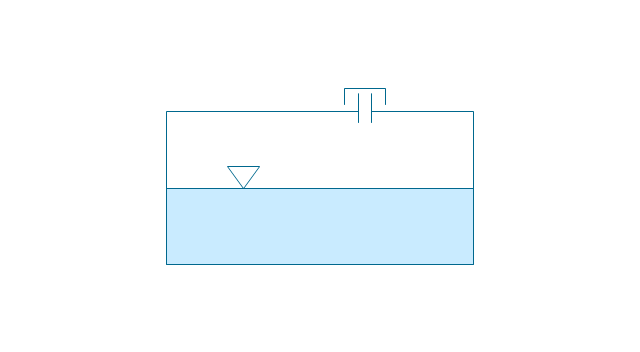
Oil tank, empty
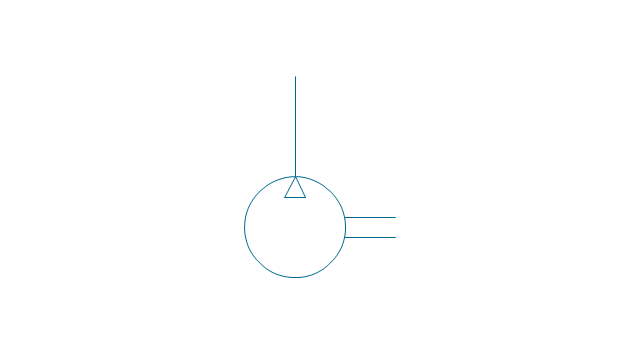
Air compressor
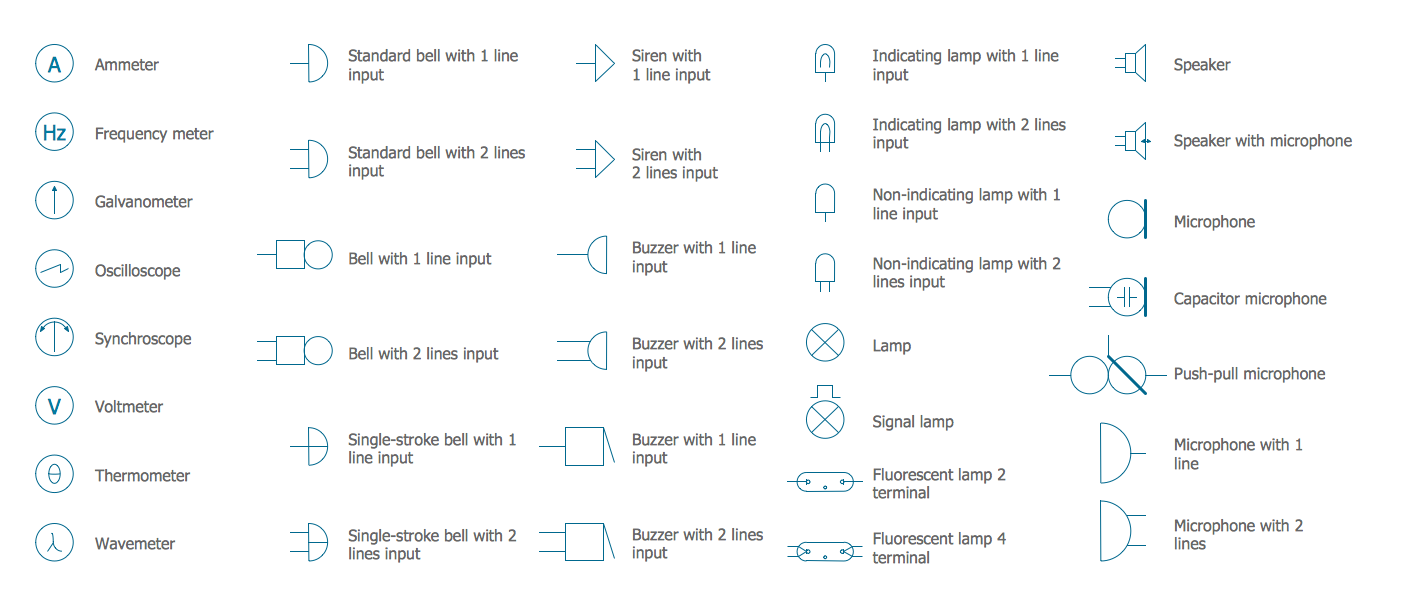
Electrical Symbols — Lamps, Acoustics, Readouts
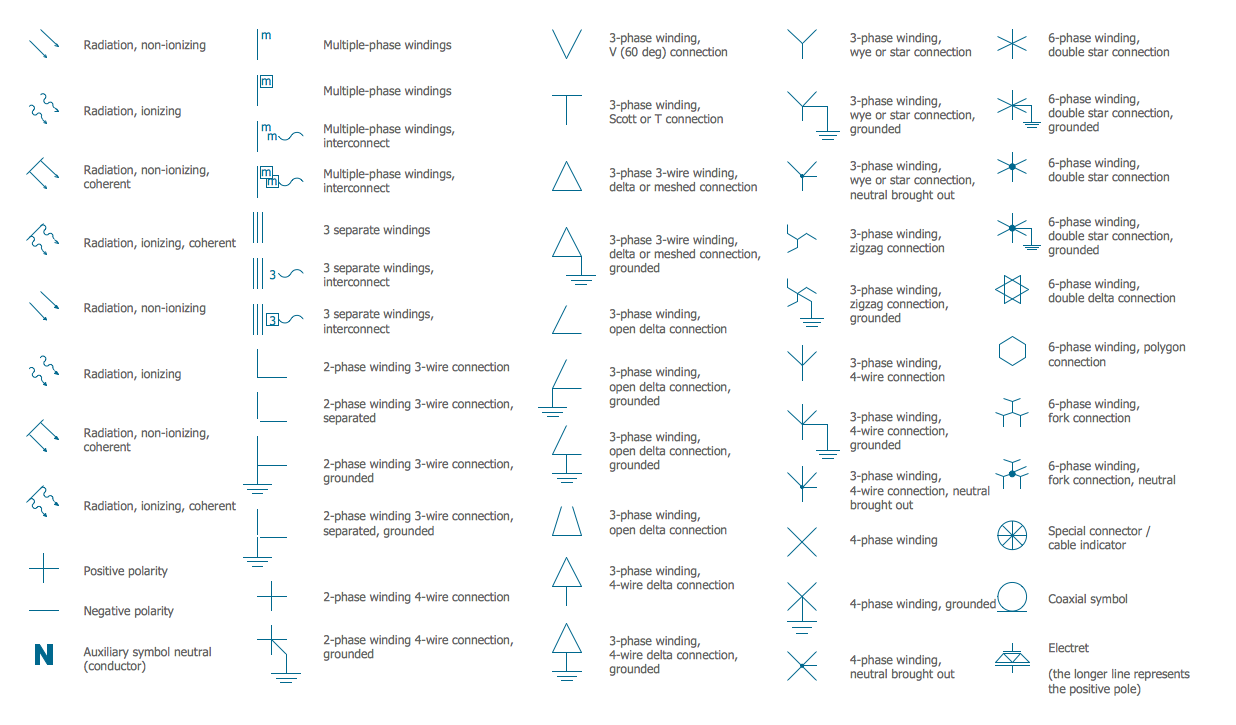
Electrical Symbols — Transformers and Windings

Electrical Symbols — Electrical Circuits
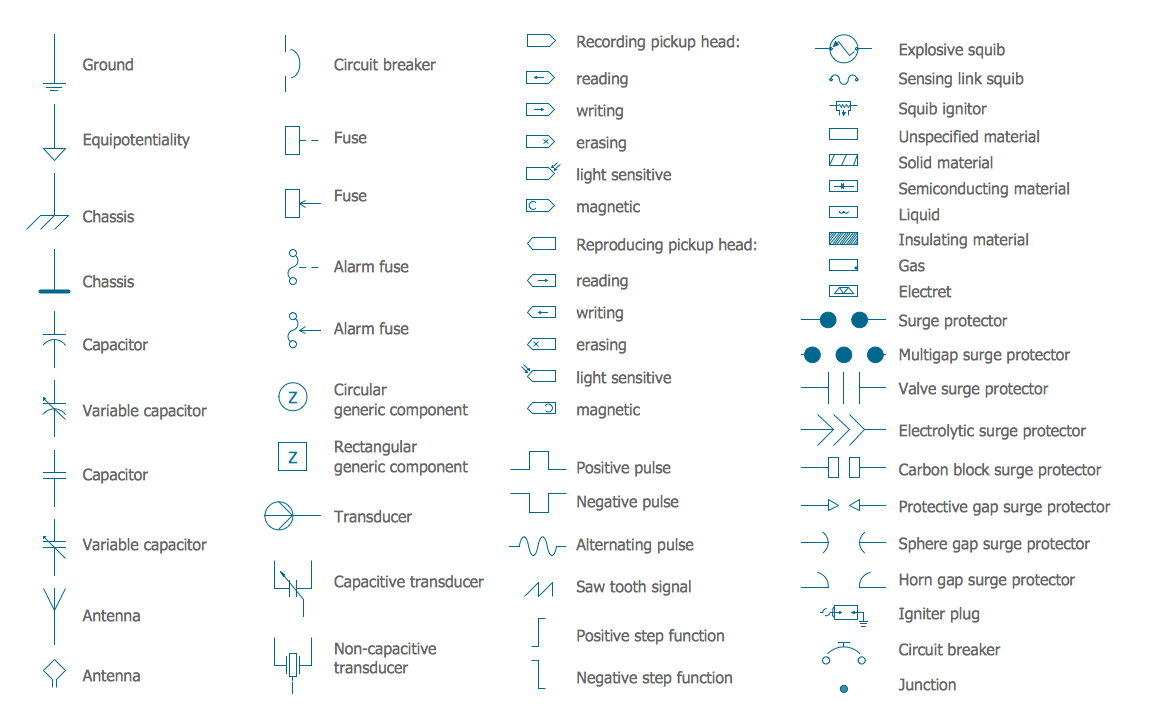
Electrical Symbols — Qualifying
Mechanical Drawing Symbols
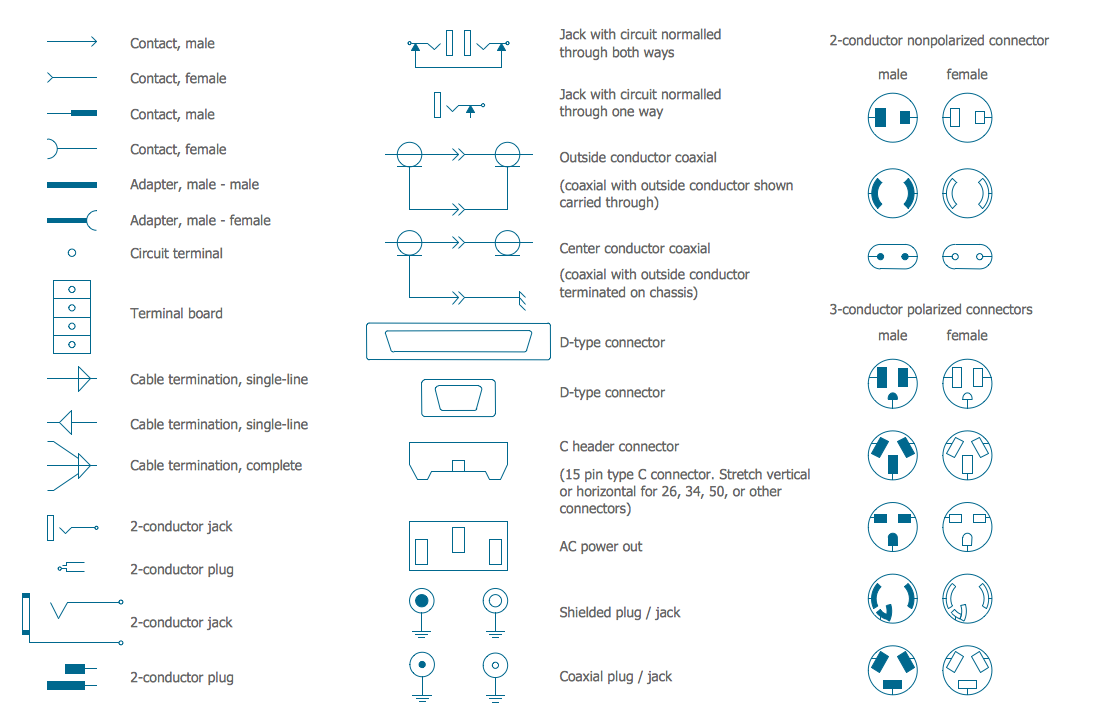
Electrical Symbols — Terminals and Connectors
Electrical Symbols — Thermo

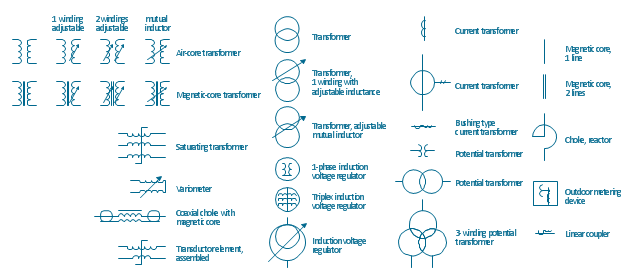
The vector stencils library "Transformers and windings" contains 29 element symbols of transformers, windings, couplers, metering devices, transductors, magnetic cores, chokes, and a variometer.
Use it to design the electromechanical device schematics and electronic circuit diagrams.
"A transformer is an electrical device that transfers energy between two circuits through electromagnetic induction. Transformers may be used in step-up or step-down voltage conversion, which 'transforms' an AC voltage from one voltage level on the input of the device to another level at the output terminals. This special function of transformers can provide control of specified requirements of current level as an alternating current source, or it may be used for impedance matching between mismatched electrical circuits to effect maximum power transfer between the circuits.
A transformer most commonly consists of two windings of wire that are wound around a common core to induce tight electromagnetic coupling between the windings. The core material is often a laminated iron core. The coil that receives the electrical input energy is referred to as the primary winding, while the output coil is called the secondary winding.
An alternating electric current flowing through the primary winding (coil) of a transformer generates an electromagnetic field in its surroundings and a varying magnetic flux in the core of the transformer. By electromagnetic induction this magnetic flux generates a varying electromotive force in the secondary winding, resulting in a voltage across the output terminals. If a load impedance is connected across the secondary winding, a current flows through the secondary winding drawing power from the primary winding and its power source." [Transformer. Wikipedia]
"An electromagnetic coil (or simply a "coil") is formed when a conductor is wound around a core or form to create an inductor or electromagnet. When electricity is passed through a coil, it generates a magnetic field. One loop of wire is usually referred to as a turn or a winding, and a coil consists of one or more turns. For use in an electronic circuit, electrical connection terminals called taps are often connected to a coil. Coils are often coated with varnish or wrapped with insulating tape to provide additional insulation and secure them in place. A completed coil assembly with one or more set of coils and taps is often called the windings.
Windings are used in transformers, electric motors, inductors, solenoids, loudspeakers, and many other applications." [Electromagnetic coil. Wikipedia]
The shapes example "Design elements - Transformers and windings" was drawn using the ConceptDraw PRO diagramming and vector drawing software extended with the Electrical Engineering solution from the Engineering area of ConceptDraw Solution Park.
Use it to design the electromechanical device schematics and electronic circuit diagrams.
"A transformer is an electrical device that transfers energy between two circuits through electromagnetic induction. Transformers may be used in step-up or step-down voltage conversion, which 'transforms' an AC voltage from one voltage level on the input of the device to another level at the output terminals. This special function of transformers can provide control of specified requirements of current level as an alternating current source, or it may be used for impedance matching between mismatched electrical circuits to effect maximum power transfer between the circuits.
A transformer most commonly consists of two windings of wire that are wound around a common core to induce tight electromagnetic coupling between the windings. The core material is often a laminated iron core. The coil that receives the electrical input energy is referred to as the primary winding, while the output coil is called the secondary winding.
An alternating electric current flowing through the primary winding (coil) of a transformer generates an electromagnetic field in its surroundings and a varying magnetic flux in the core of the transformer. By electromagnetic induction this magnetic flux generates a varying electromotive force in the secondary winding, resulting in a voltage across the output terminals. If a load impedance is connected across the secondary winding, a current flows through the secondary winding drawing power from the primary winding and its power source." [Transformer. Wikipedia]
"An electromagnetic coil (or simply a "coil") is formed when a conductor is wound around a core or form to create an inductor or electromagnet. When electricity is passed through a coil, it generates a magnetic field. One loop of wire is usually referred to as a turn or a winding, and a coil consists of one or more turns. For use in an electronic circuit, electrical connection terminals called taps are often connected to a coil. Coils are often coated with varnish or wrapped with insulating tape to provide additional insulation and secure them in place. A completed coil assembly with one or more set of coils and taps is often called the windings.
Windings are used in transformers, electric motors, inductors, solenoids, loudspeakers, and many other applications." [Electromagnetic coil. Wikipedia]
The shapes example "Design elements - Transformers and windings" was drawn using the ConceptDraw PRO diagramming and vector drawing software extended with the Electrical Engineering solution from the Engineering area of ConceptDraw Solution Park.
Transformer and winding symbols
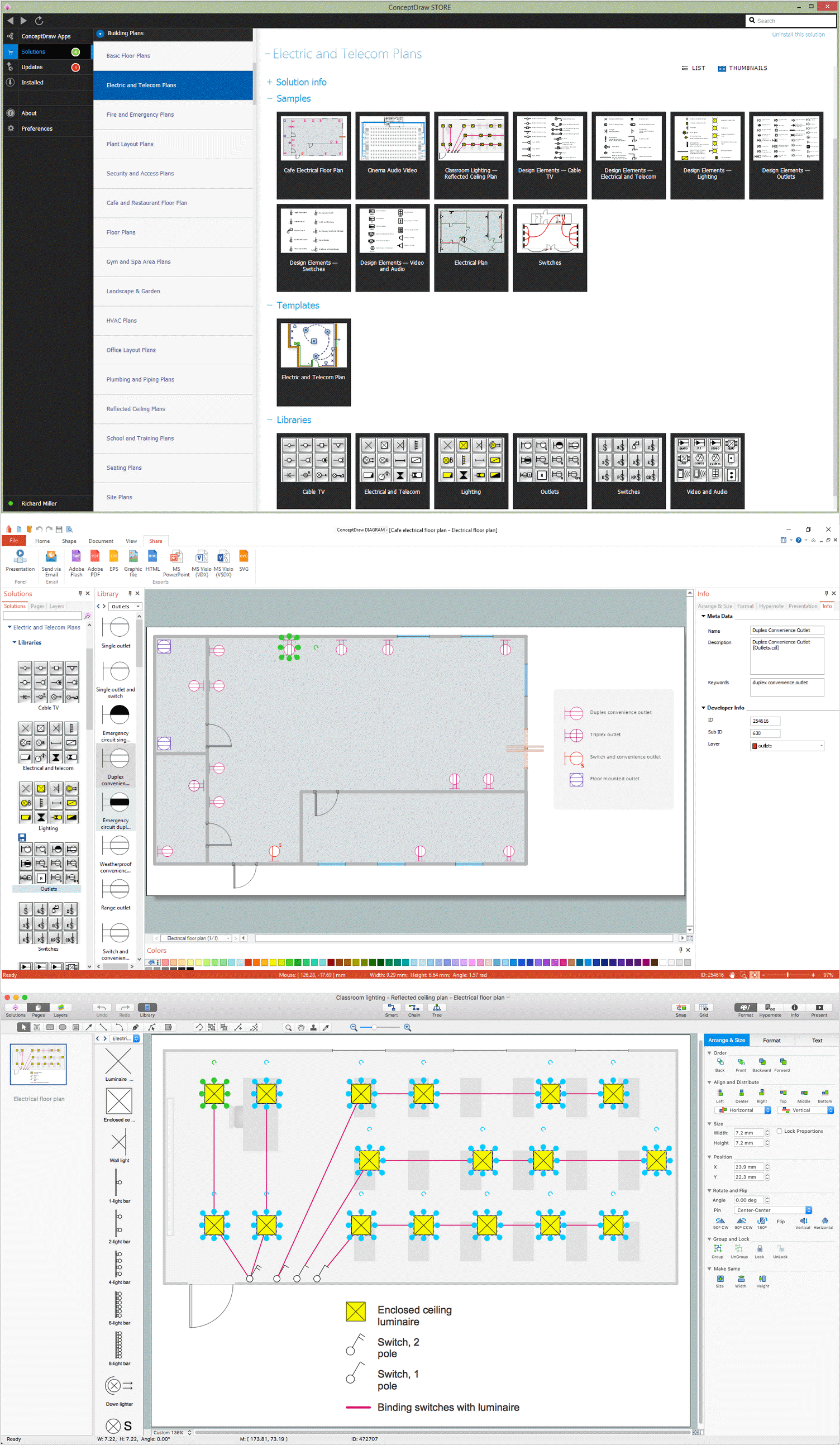
How To use House Electrical Plan Software
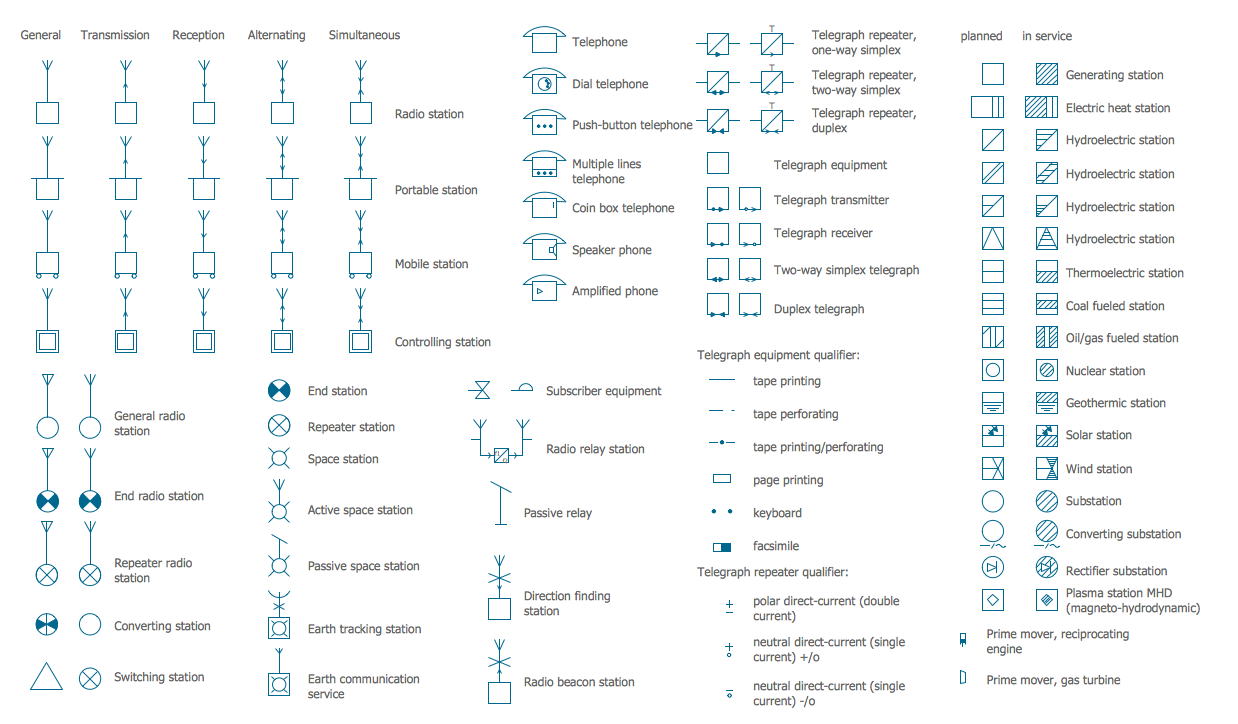
Electrical Symbols — Stations
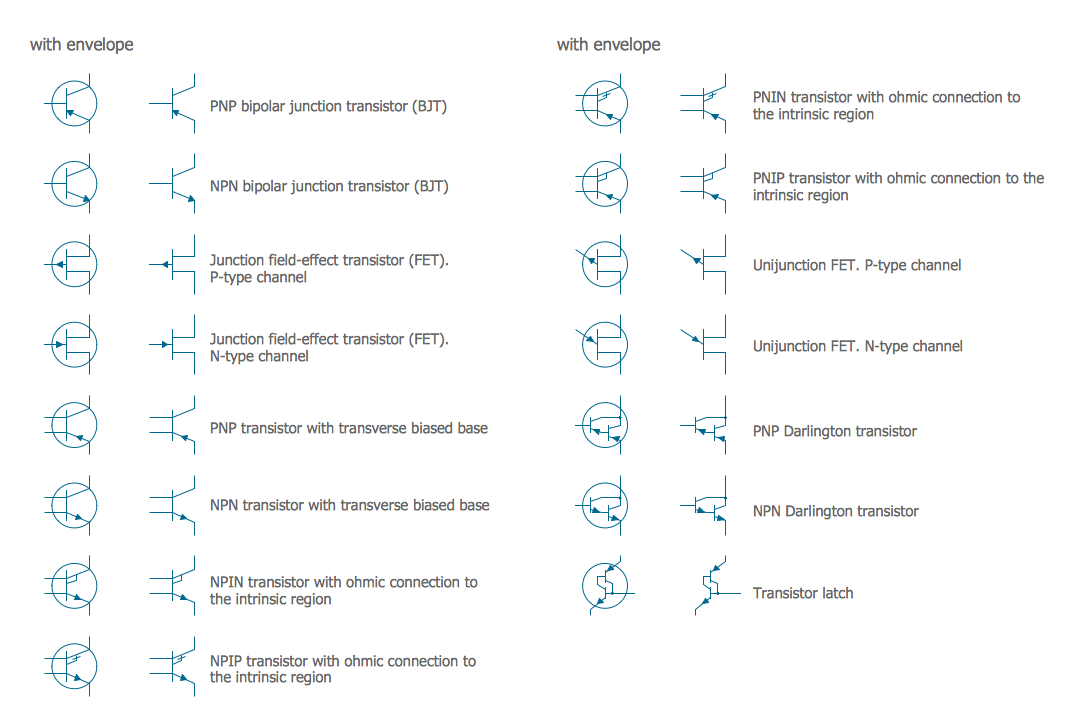
Electrical Symbols — Transistors
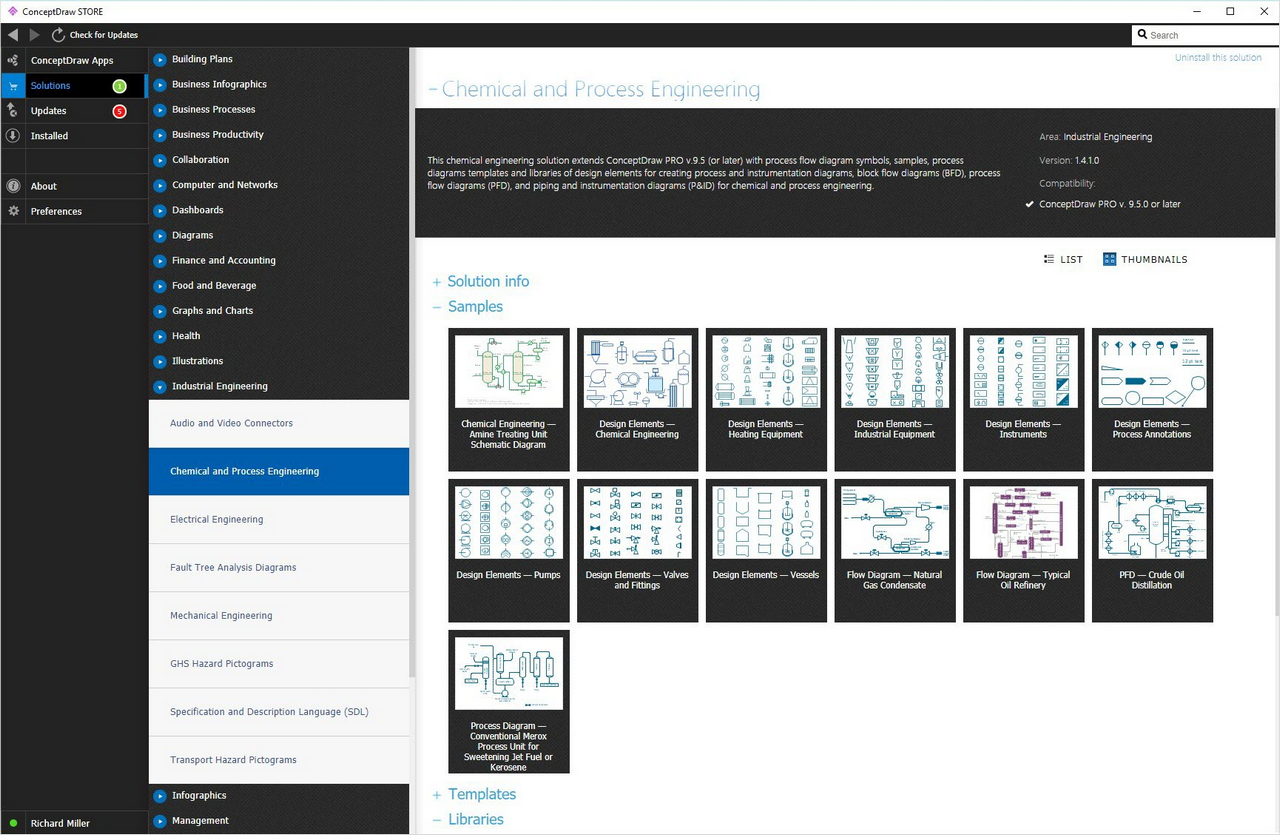
Process Flow Diagram Symbols
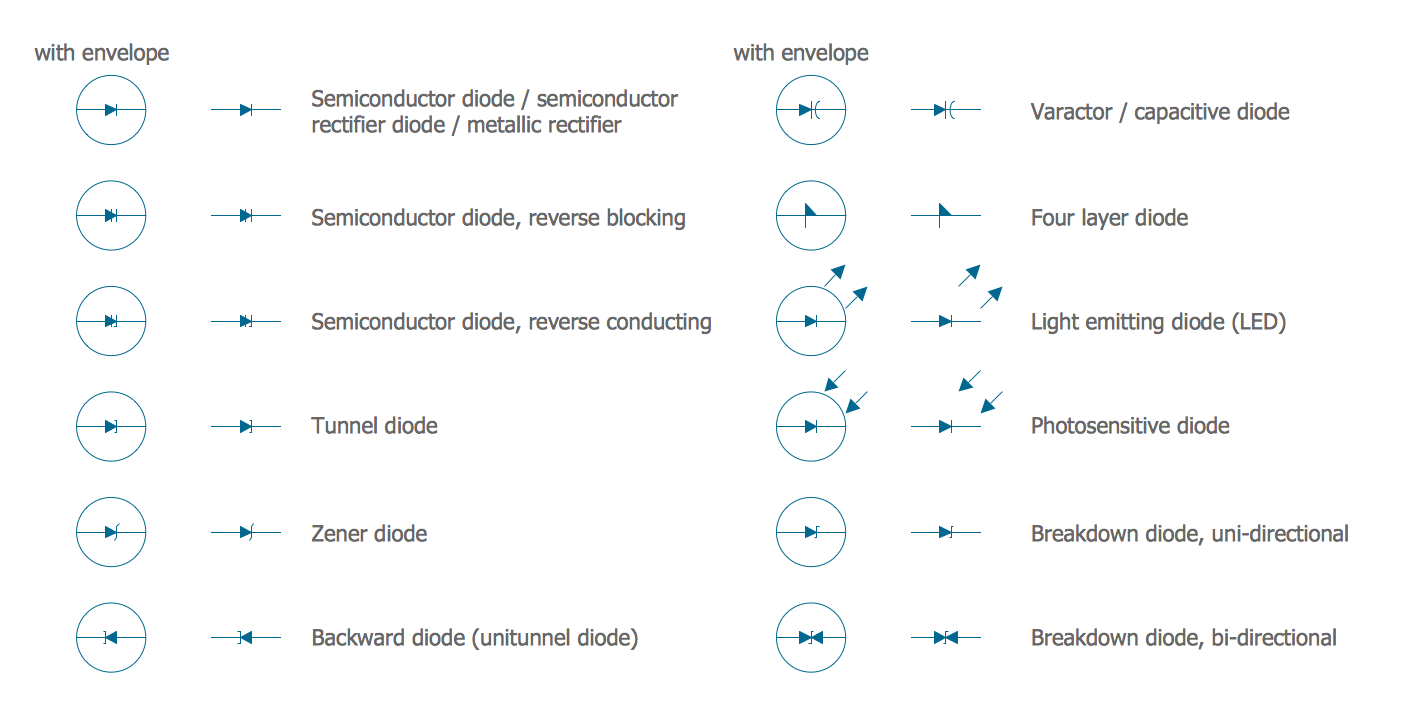
Electrical Symbols — Semiconductor Diodes
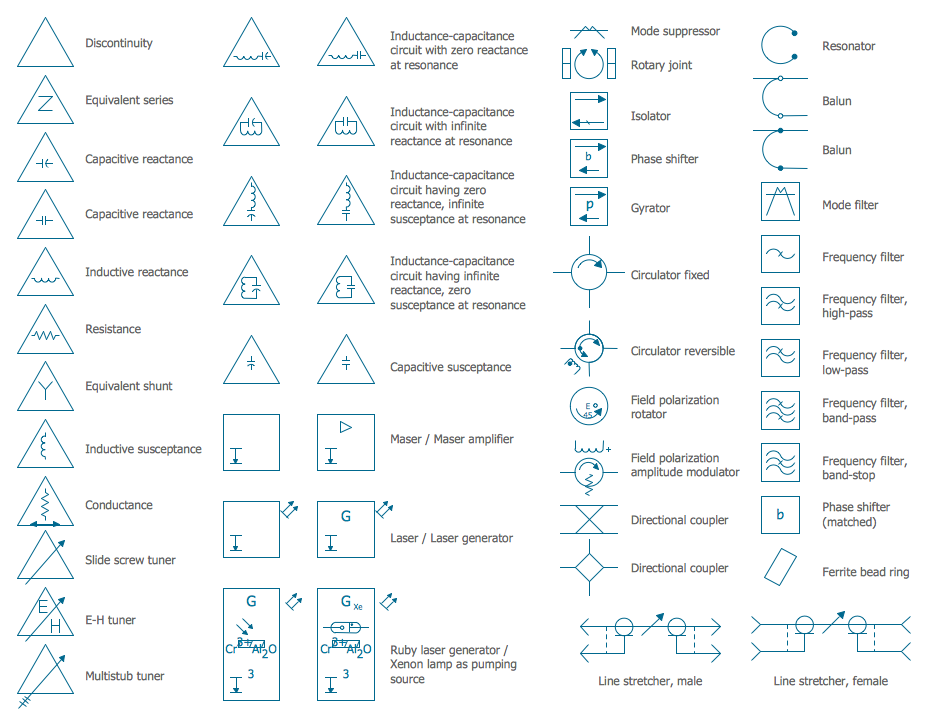
Electrical Symbols — VHF UHF SHF
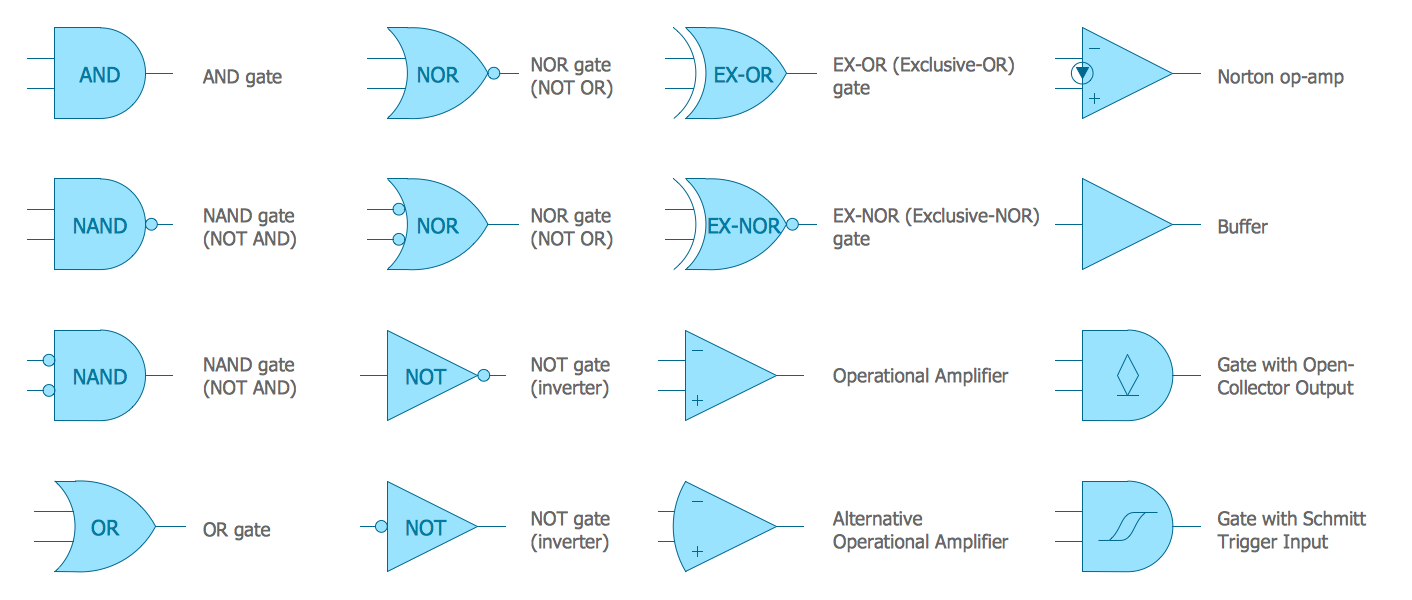
Electrical Symbols — Logic Gate Diagram
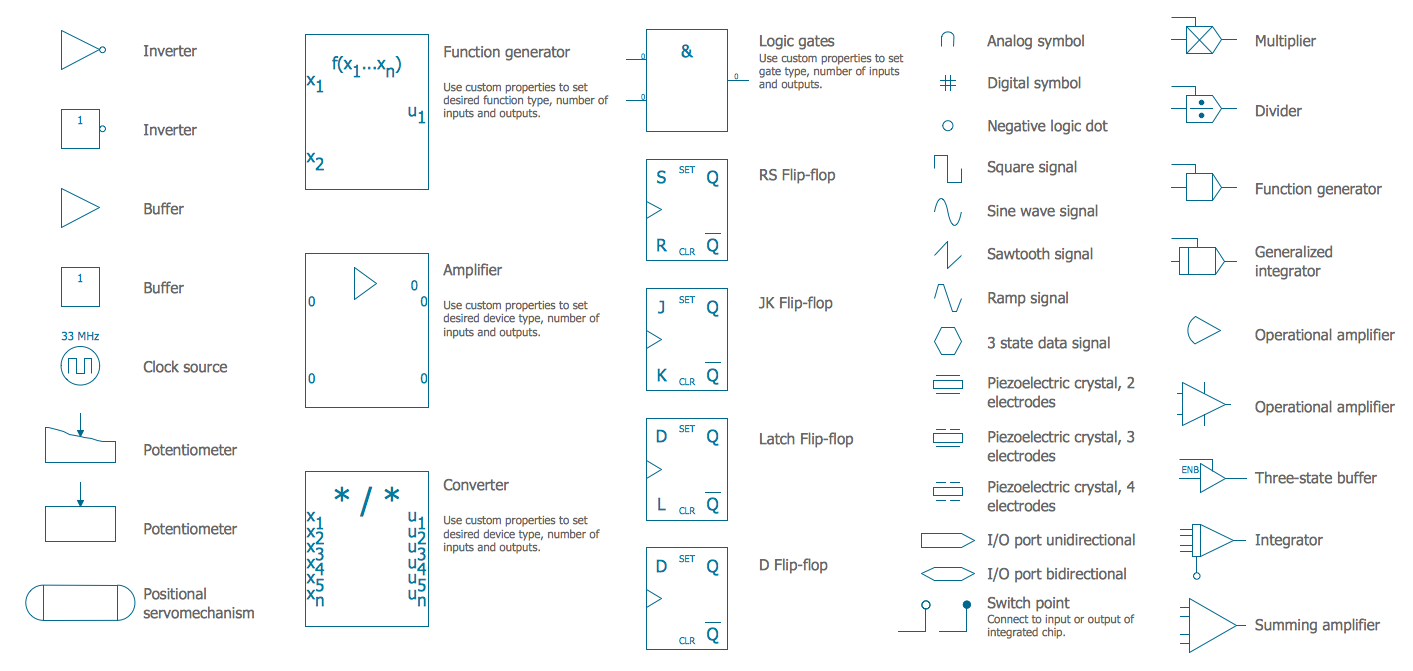
Electrical Symbols — Analog and Digital Logic
- Electrical Symbols , Electrical Diagram Symbols | Electrical Symbols ...
- Draw The Conventional Symbols Of Following Items Energy Meter
- Electrical Symbols , Electrical Diagram Symbols | Electrical Symbols ...
- Electrical Symbols — Lamps, Acoustics, Readouts | Electrical ...
- Meter Gauge Symbol
- Water Meter Engineering Symbol
- Mechanical Drawing Symbols | Design elements - Fluid power ...
- Instruments - Vector stencils library | Fluid power equipment - Vector ...
- Process Flow Diagram Symbols | Electrical Symbols — Analog and ...
- Electrical Symbols For Electrical Instruments
- Symbol For Thermometer In Pneumatics
- Electrical Symbols — Thermo | Electrical Symbols — Stations ...
- Symbol Water Pump
- Process Flow Diagram Symbols | Mechanical Drawing Symbols ...
- Fluid power equipment - Vector stencils library | Building Design ...
- Electrical Symbols — Thermo | Electrical Symbols — Resistors ...
- Air Motor In Pneumatics Symbol
- Air Compressor Switch Symbol
- Compressor Symbol In Pneumatics
- Flow Transducer Schematic Symbol


