Made with
ConceptDraw
MINDMAP 16

Affinity Diagram

Affinity Diagram

The Affinity Diagram shows the structure of large, complex factors that have an influence on a problem, and then divides them up into a smaller and simpler structure. The Affinity Diagram does not show a causal relationship between the factors. This diagram is designed to prepare the data for further analysis of the cause-effect relationships. It's also known as a KJ diagram.

The History of Affinity Diagrams

The affinity diagram is a business tool for large idea and data organization. It's a part of the Seven Management and Planning Tools.

The term affinity diagram was invented by Jiro Kawakita in the 1960s, so now it could be referred to as the KJ Method sometimes.

Project Managers use this method right after brainstorming to sort large numbers of ideas into groups, based on their natural relationships.

Another area of affinity diagrams usage is contextual inquiry as a way to sort notes and observations from field interviews, open-ended survey responses organizing, support call logs, etc.

Other tools include:

  • Affinity Diagram
  • Relations Diagram
  • Prioritization Matrix
  • Root Cause Analysis Tree Diagram
  • Involvement Matrix
  • PERT Chart
  • Risk Diagram (PDPC)

When to Use Affinity Diagrams?

Once you finished a big brainstorming session with your team or on alone, next handy step will be - Affinity diagram.

It is used within Project Managers to organize a large number of ideas and represent it to team members in a better way, so they may see the patterns in what's been discussed and identify possible solutions to problems they have.

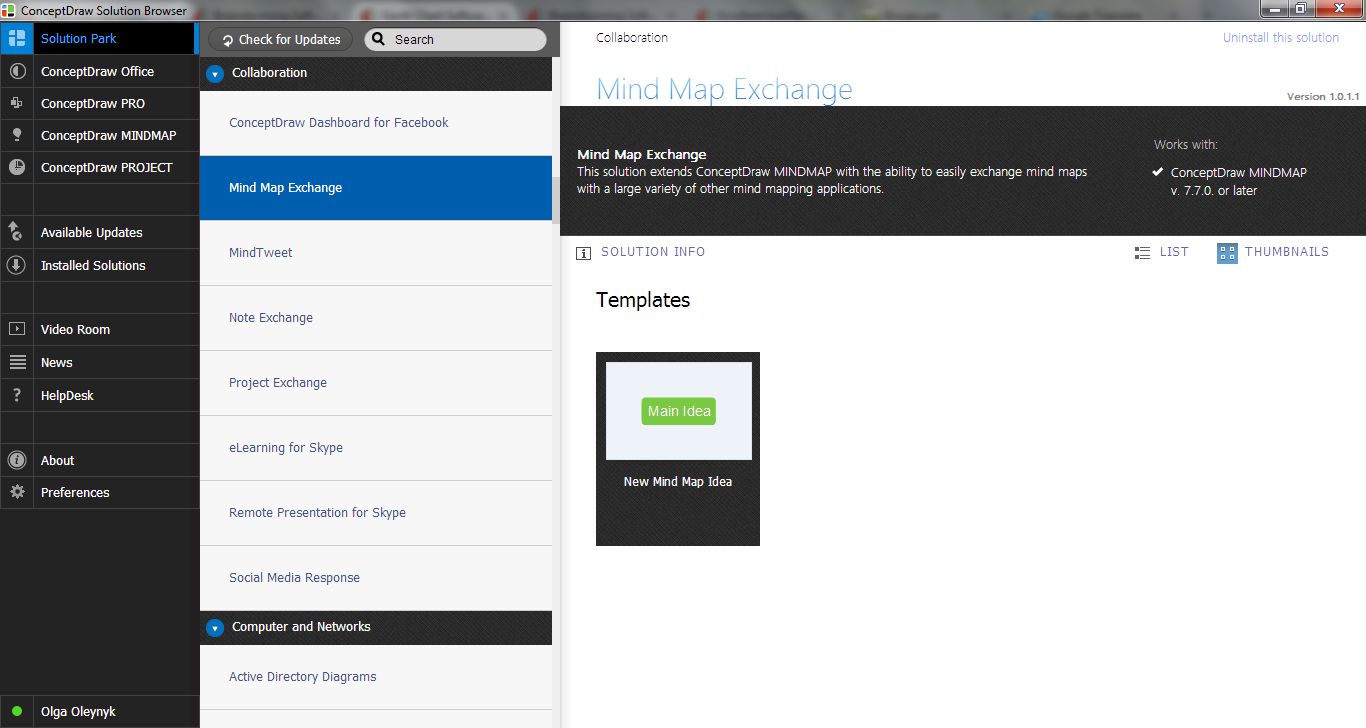
ConceptDraw STORE offers the Mind Map Exchange Solution from the Collaboration Area which allows to get instantly the access to the ConceptDraw MINDMAP for create Affinity Diagram.

Mind Map Exchange Solution in ConceptDraw STORE

Example 1. Mind Map Exchange Solution in ConceptDraw STORE

Best Practices When Creating Affinity Diagrams

  • Affinity Diagram template (located in Input tab) opens a new Brainstorming session
  • Use this Brainstorming session to identify the central issue, contributing factors to that issue, and the details of those factors
  • Drag and drop to connect factors to the central issue
  • Drag and drop to organize details to their respective factors
  • Save map when finished
  • From Output tab, under "7 Management & Planning Tools", select Affinity Diagram
  • Affinity Diagram will be automatically drawn in ConceptDraw DIAGRAM

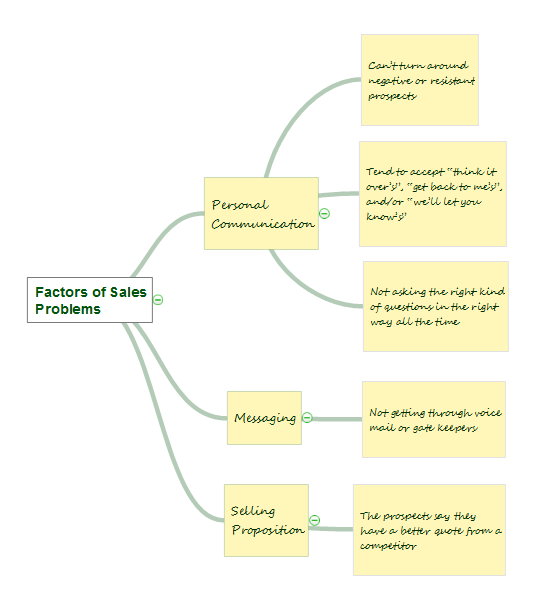
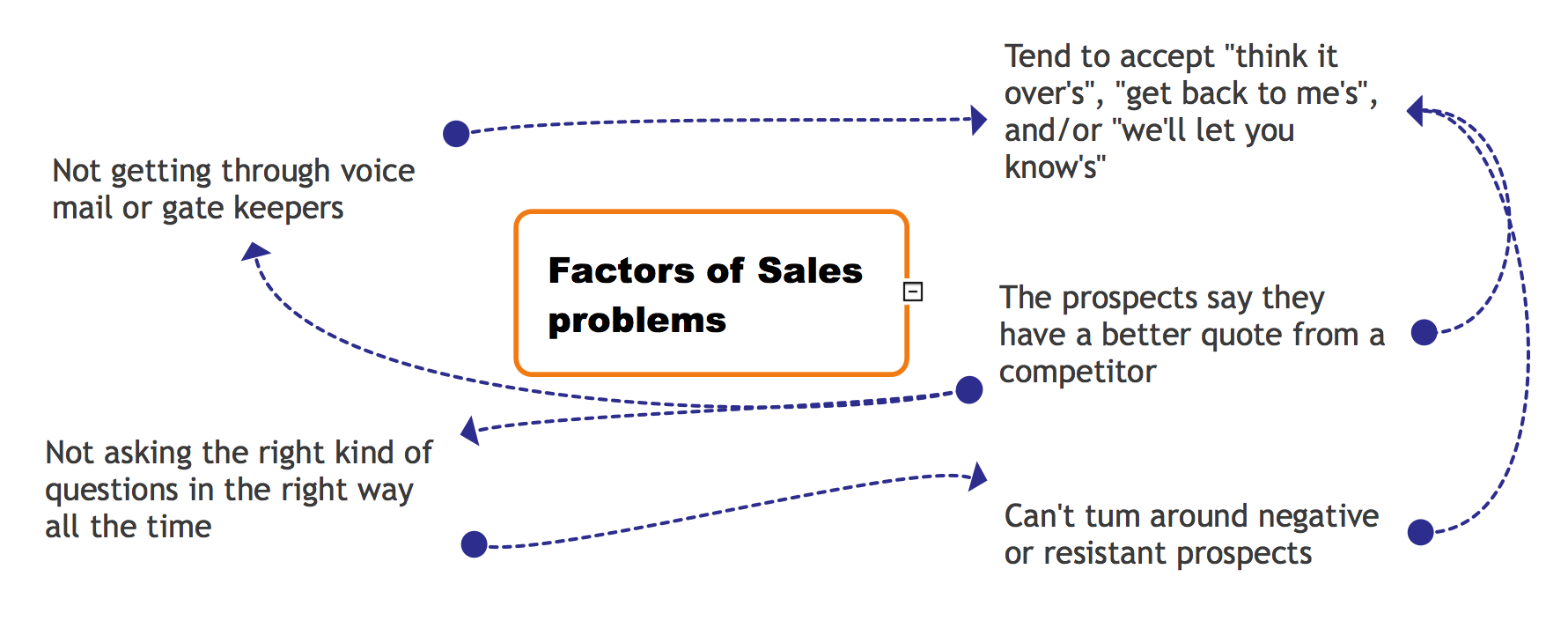
Collect and structure factors that impact on a problem.

Affinity Diagram *

Example 2. Factors of Sales Problems


The Benefits for ConceptDraw MINDMAP Brainstorming Software

  • ConceptDraw MINDMAP is effective for brainstorming, designing mind maps, idea generating, creative and lateral thinking, creativity and problem solving.
  • ConceptDraw MINDMAP is ideal for team and personal work in Business, Marketing and Project Management.
  • The libraries with large quantity of vector objects help to illustrate your mind maps and to make them bright, visual and comprehensible.
  • Use of View Navigator tool lets create presentations from a mind map: you can simply select the map parts you want to present, sequence your slides, and preview the presentation.
  • ConceptDraw MINDMAP provides wide capabilities of importing and exporting in various formats: Microsoft PowerPoint, Microsoft Word, MS Excel, Mindjet MindManager, image, HTML, PDF file.

NINE RELATED HOW TO's:
Download ConceptDraw diagram software for easy drawing.The Best Choice for Creating Diagram *
Picture: The Best Choice for Creating Diagram
Related Solution:
Fishbone Diagram, also referred as Cause and Effect diagram or Ishikawa diagram, is a fault finding and problem solving tool. Construction of Ishikawa diagrams is quite complicated process and has a number of features. Fishbone Diagrams solution included to ConceptDraw Solution Park contains powerful drawing tools and a lot of examples, samples and templates. Each Fishbone diagram example is carefully thought-out by experts and is perfect source of inspiration for you.Fishbone Diagram Example *
Picture: Fishbone Diagram Example
Related Solution:
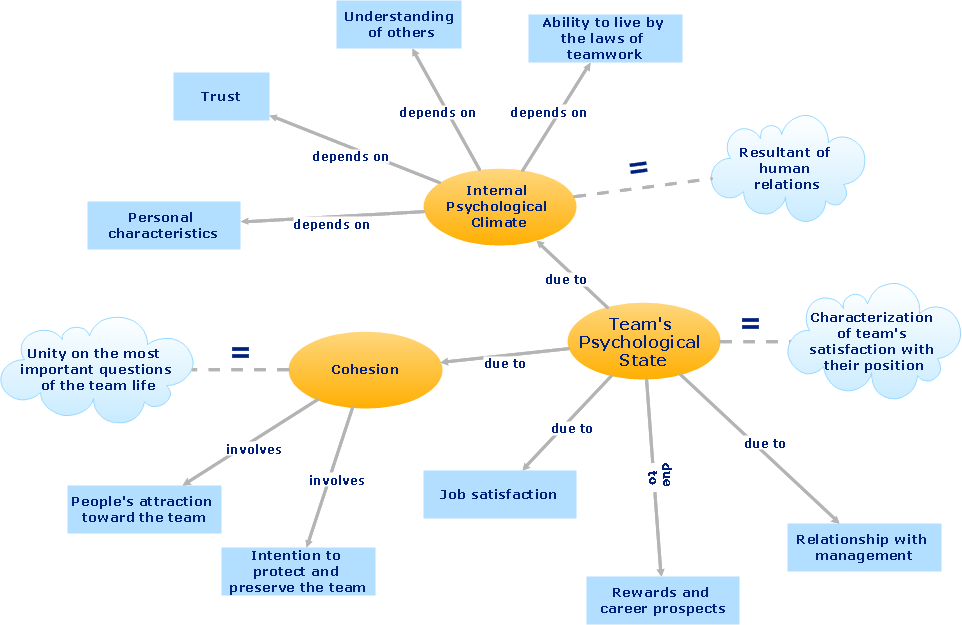
Identify how factors influence each other. Factors mostly influencing called “Drivers” Primarily affected factors called “Indicators”. Problem solving further focuses on changing driver factors by corrective actions. Indicator factors help establish KPI (Key Performance Indicators) to monitor changes and the effectiveness of corrective actions in resolving a problem.Relations Diagram *
Picture: Relations Diagram
Related Solution:
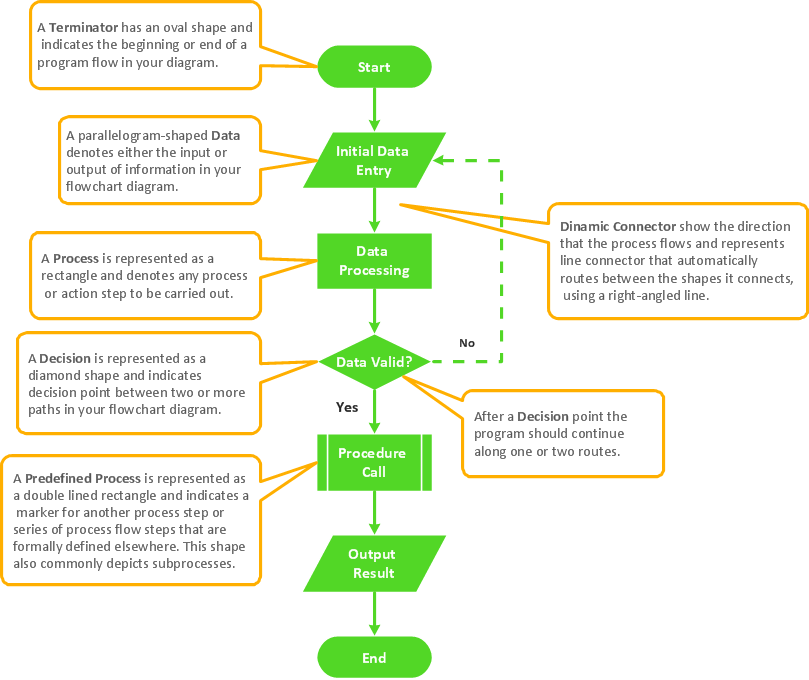
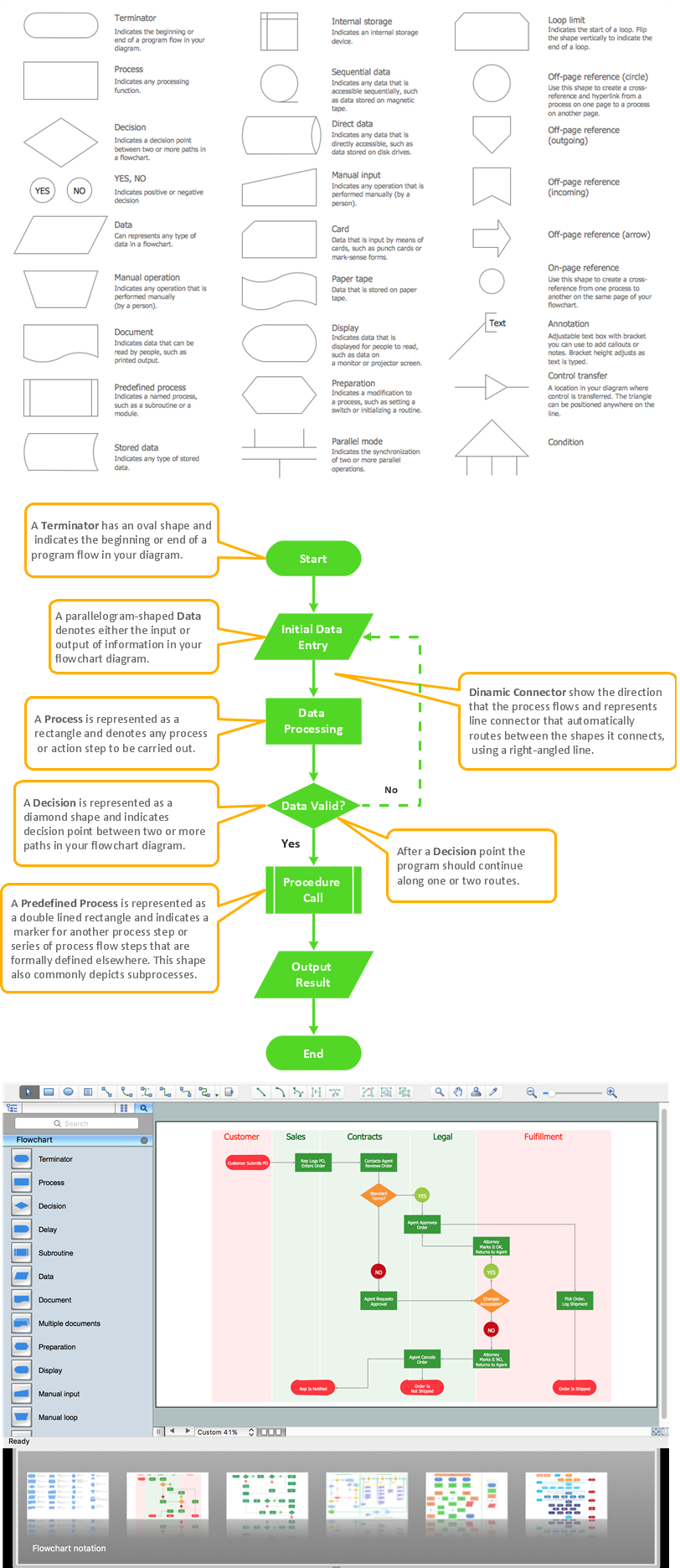
Do you like the professional schemes that you can find on the Internet? Take into account that the most part of them is made using the Best Flowchart Software and Flowchart Symbols. Try you own powers in creating such diagrams! Flowcharts are the most business diagramming tool. If you are a business manager, you can use flow chart to depict work flow in your organization, develop the effective organizational structure and present the information to investors or other stakeholders. Combining the smart management solutions with ConceptDraw DIAGRAM diagramming engine delivers the set of comprehensive flowchart tools necessary to support professionals in their creativeness and business activity.Best Flowchart Software and Flowchart Symbols
Picture: Best Flowchart Software and Flowchart Symbols
Related Solution:
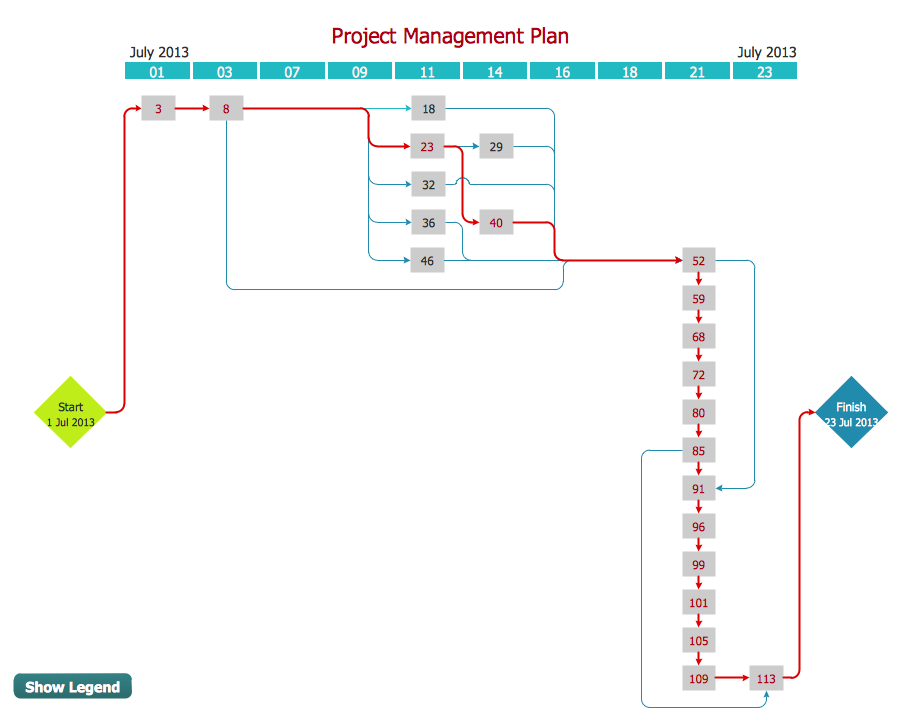
Activity Network Diagram - This sample was created in ConceptDraw DIAGRAM diagramming and vector drawing software using the Seven Management and Planning Tools solution from the Management area of ConceptDraw Solution Park. This sample shows the PERT (Program Evaluation Review Technique) chart of the request on proposal. A request for proposal (RFP) is a request of the company or the organization to potential suppliers to submit the business proposals for service or goods that it is interested to purchase. The RFP is represented on the initial procurement stage and allows to define the risks and benefits.Activity Network Diagram Method *
Picture: Activity Network Diagram Method
Related Solution:
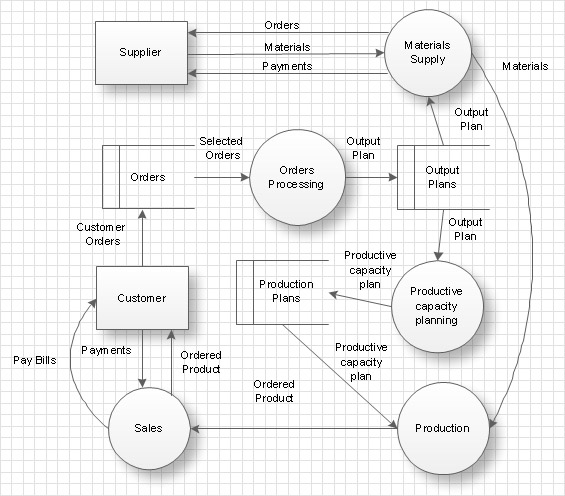
There are many ways to define the flow of information within a system. Structured-systems analysis method often uses data flow diagrams to show data flow, data storages and data processing visualization. These diagrams are easy to develop and quite useful. Here is a dataflow diagram presenting an example of the manufacturing process flow. The oval process shapes represent a process that controls data within the current system. The process may produce data or make some action based on data. Data flows are represented by lines. They show the movement of information through the system. The direction of the data flow is depicted by the arrow. The external entities are shown by rectangles. They represent the external entities interacting with the system. The data store objects (unclosed rectangles) are used to show data bases participating in a process flow.Data Flow Diagram *
Picture: Data Flow Diagram
Related Solution:
The ConceptDraw Flowchart component includes a set of samples and templates. This geathered as flowchart maker toolbox which focused on drawing flowcharts of any industry standards.Flowchart Components
Picture: Flowchart Components
Related Solution:
Any hierarchical structure of any company can be represented as a triangle or a pyramid. You can create a pyramid diagram and pyramid chart of any complexity using special libraries included in ConceptDraw DIAGRAM. Actually, any knowledge or chain of facts can also be depicted as a pyramid. A wide range of graph and chart are utilized in marketing to maintain documentation and various visual issues, that deal with marketing information and data. The marketing value pyramid can be created to illustrate how the value of company, or product is based on its competitiveness. To design this diagram we used ConceptDraw DIAGRAM drawing tools in conjunction with Pyramid solution for Solution Park.Pyramid Diagram and Pyramid Chart *
Picture: Pyramid Diagram and Pyramid Chart
Related Solutions:
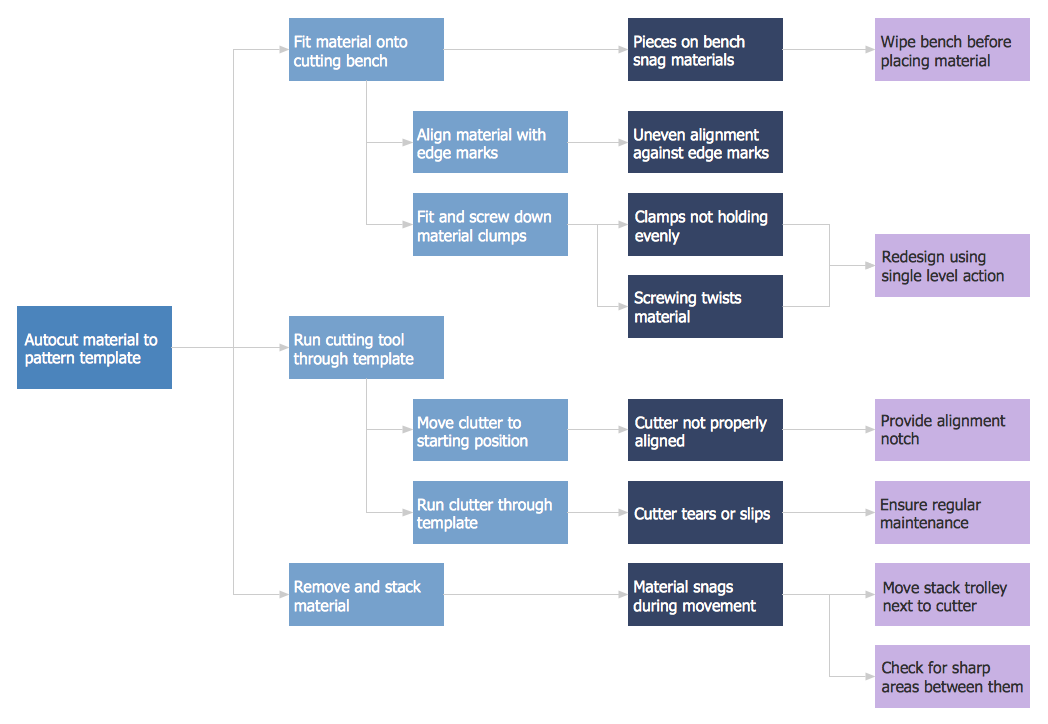
Preventive Action - ConceptDraw OFFICE suite is a software for the Preventive Action making. The Seven Management and Planning Tools solution is a set of such tools for problems preventive actions via investigating of the core problem. Skilled use of these diagrams makes collaborative teamwork both more engaging and more effective.Preventive Action *
Picture: Preventive Action
ConceptDraw
MINDMAP 16