Security Plans
A security alarm protects various property objects from unauthorized entry. Such system can be used in all types of buildings including private houses and apartments, state buildings, commercial and military objects. Security alarm system ensures your personal safety and protection of your belongings against burglary. When installed in cars, these systems are used against car thefts and carjacking. Also, a security alarm is used in prisons and high security facilities.
These alarm systems can have either one function (e.g. burglary protection) or combine fire and intrusion detection. Intrusion alarm system often works together with closed-circuit television surveillance systems when the process of unauthorized entry is automatically recorded. Systems vary from compact audio alarms to sophisticated computerized systems that can cover a vast area.
No security system cannot be constructed without detailed security plan, or even a set of plans in some cases. ConceptDraw DIAGRAM software offers the Security and Access Plans Solution from the Building Plans Area to help you design the Security Plans for any premises and of any complexity.
Security plans are very convenient way to explain what result you want to get. Security and Access Plans Solution provides 3 libraries:
- Alarm and Access Control
- Initiation and Annunciation
- Video Surveillance
with wide variety of vector shapes to help you draw your security plans in minutes.
How To Create Security Plan
- Launch ConceptDraw DIAGRAM
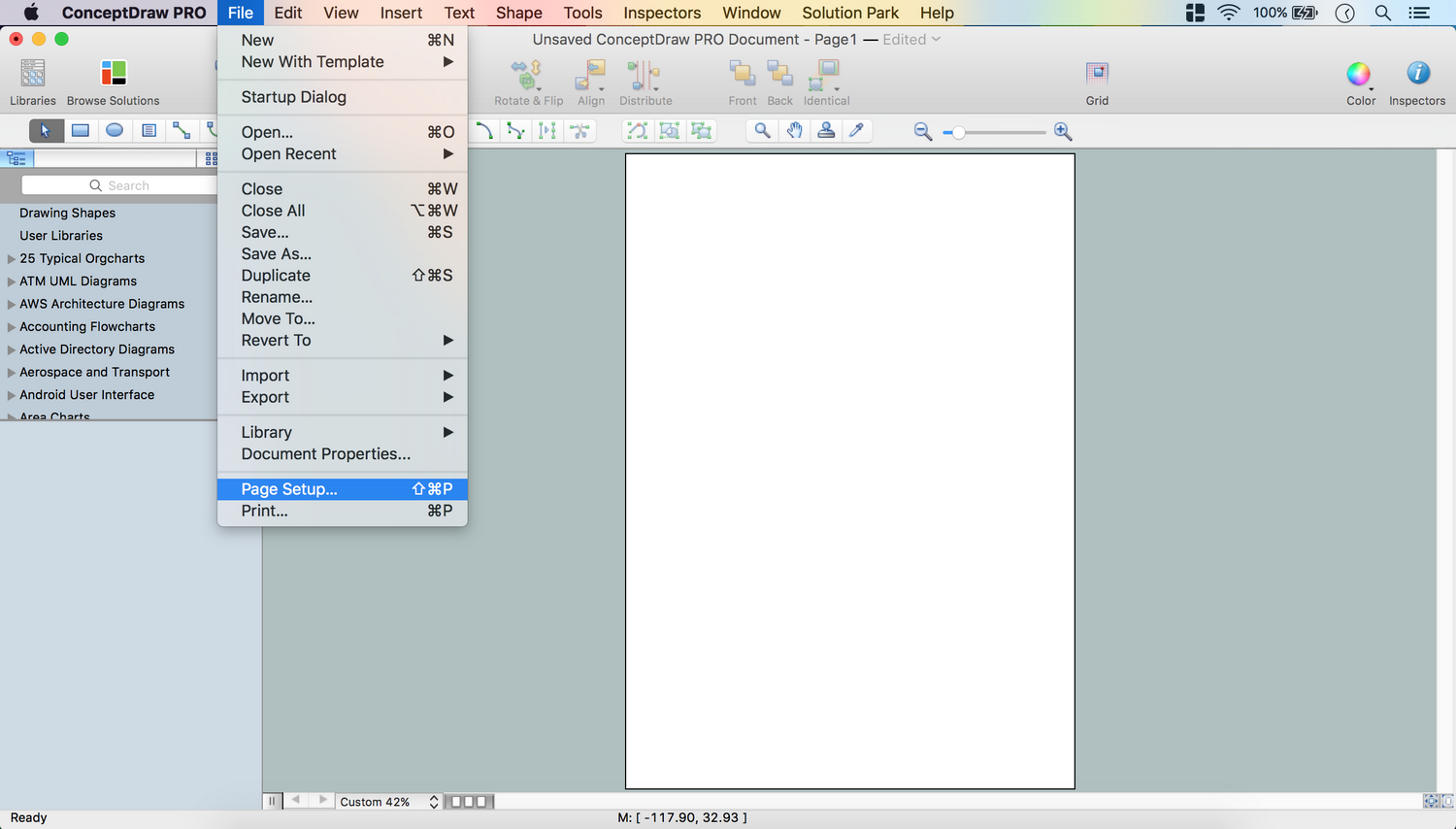
- Set a page orientation: File – Page Setup – Horizontal Orientation – Ok.
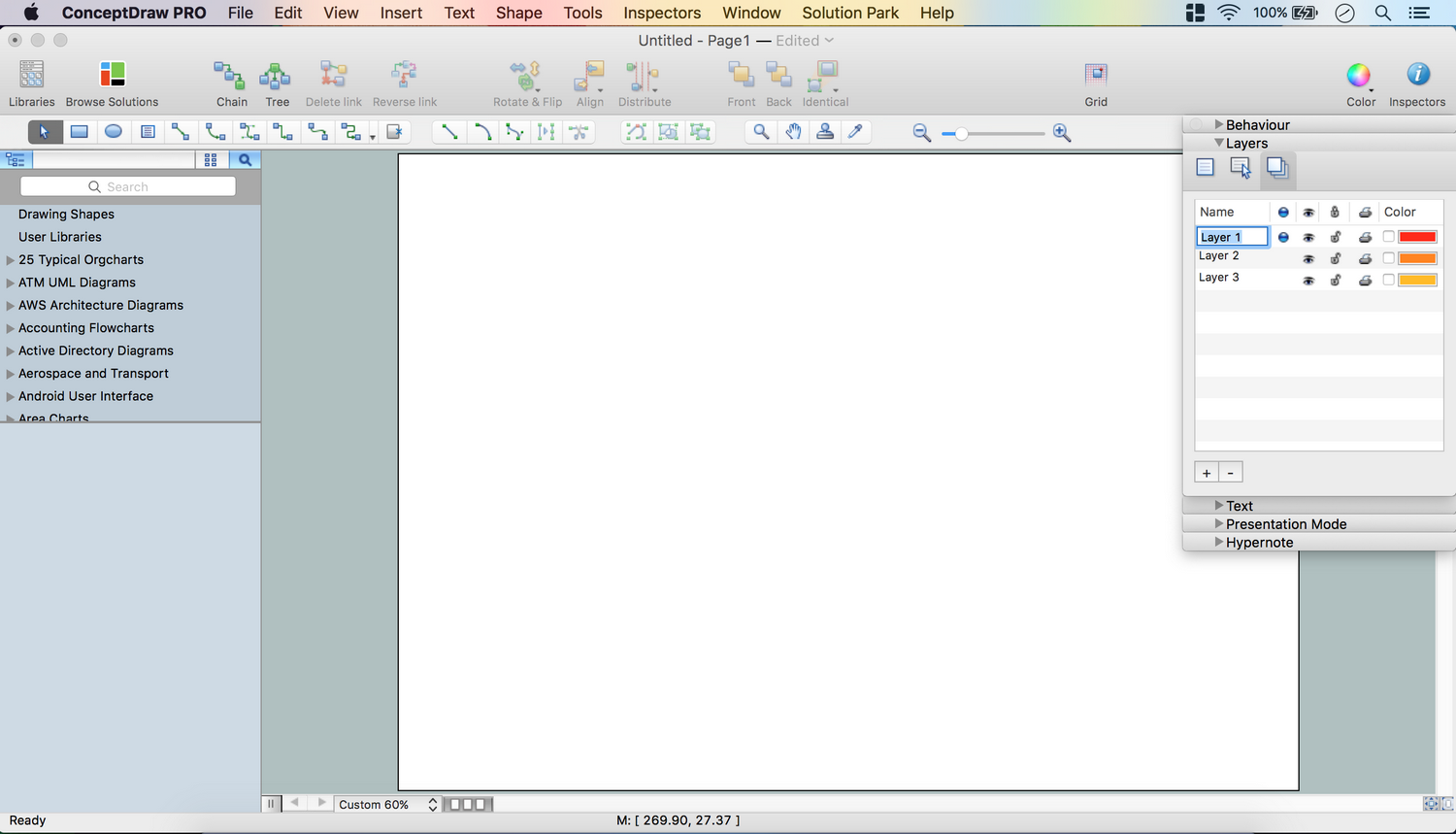
- First layer “Floor Plan”:
- Open the Layers tab in Inspectors. Double click on the layer – Change name.
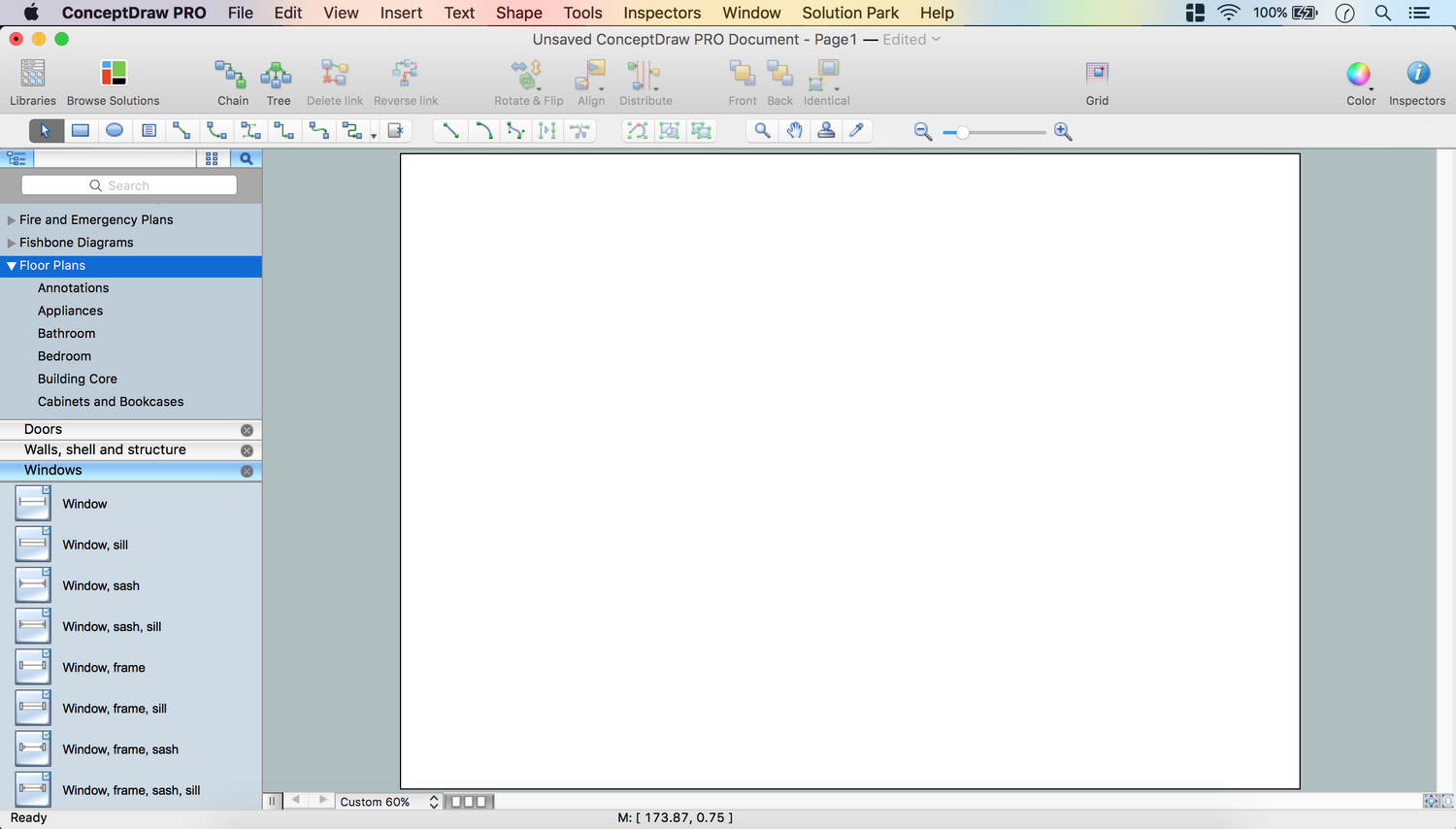
- In the Floor Plans Solution open the libraries containing the necessary shapes:
- Doors
- Walls, shell and structure
- Windows
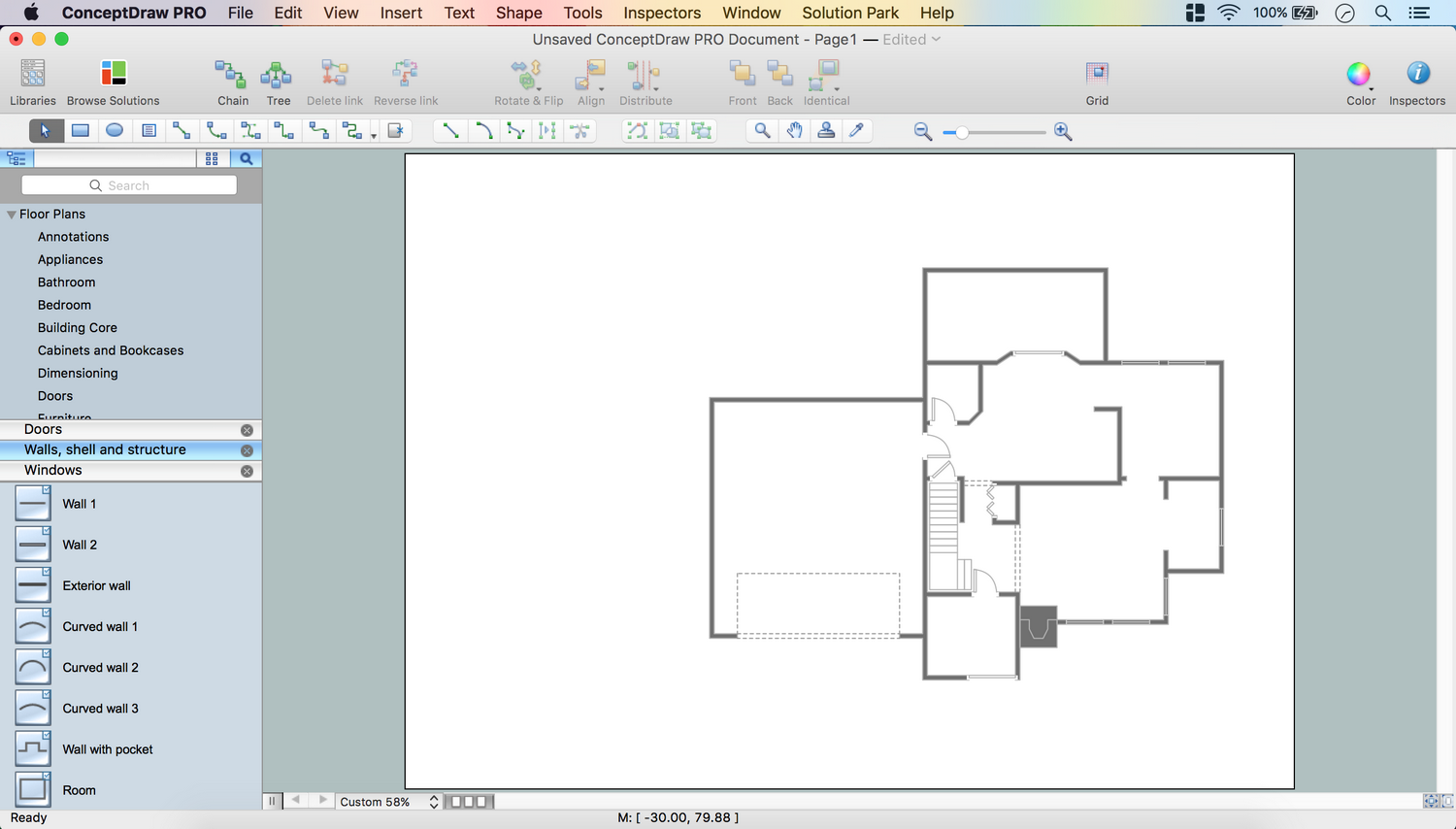
- Using the necessary objects, create a floor plan.
- To change the walls’ color, select the walls – open the Fill tab in Inspectors – choose the color.
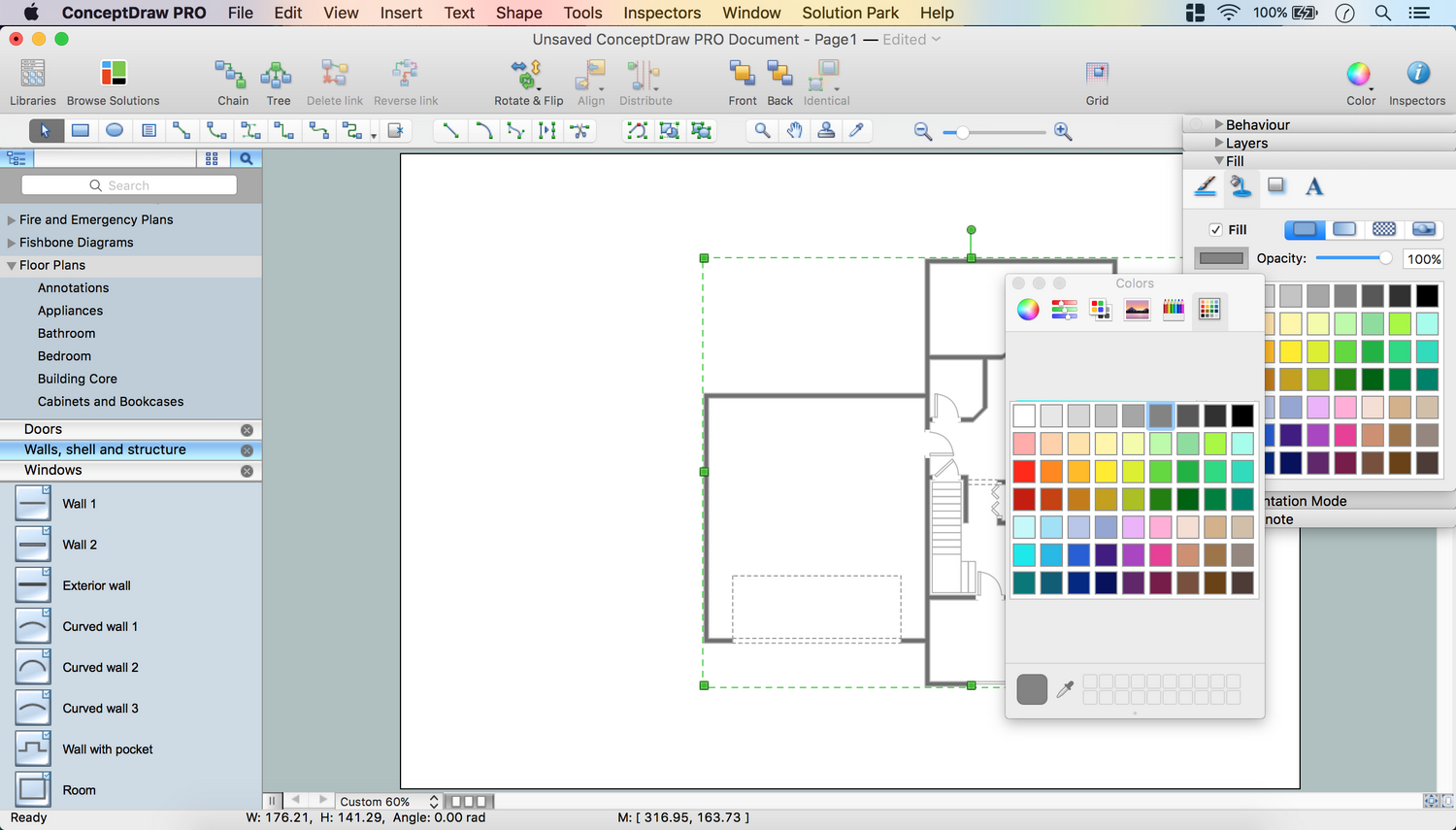
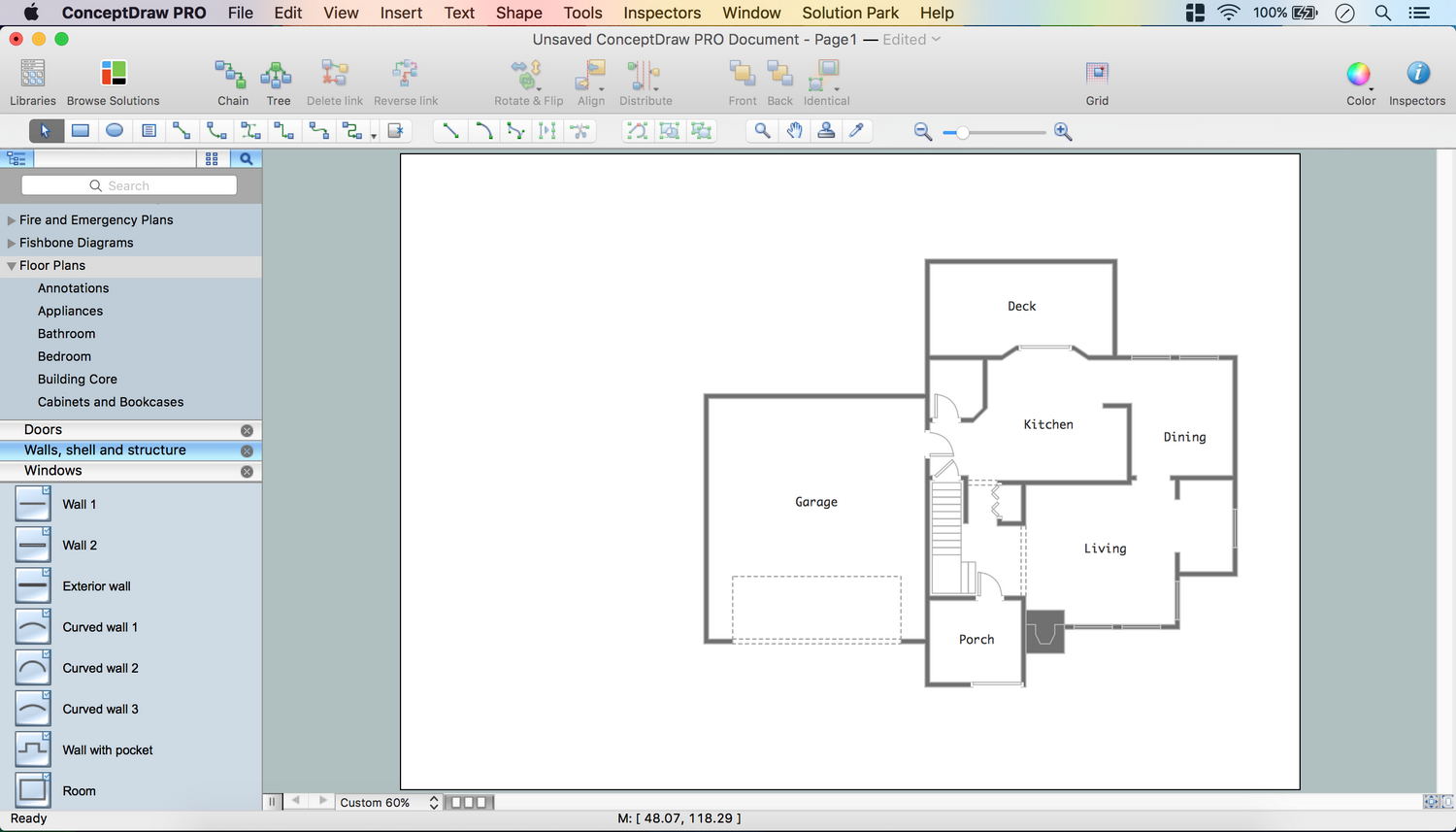
- Double click on the white space of the page – enter your text – move the Text box to the needed part of the Floor Plan.
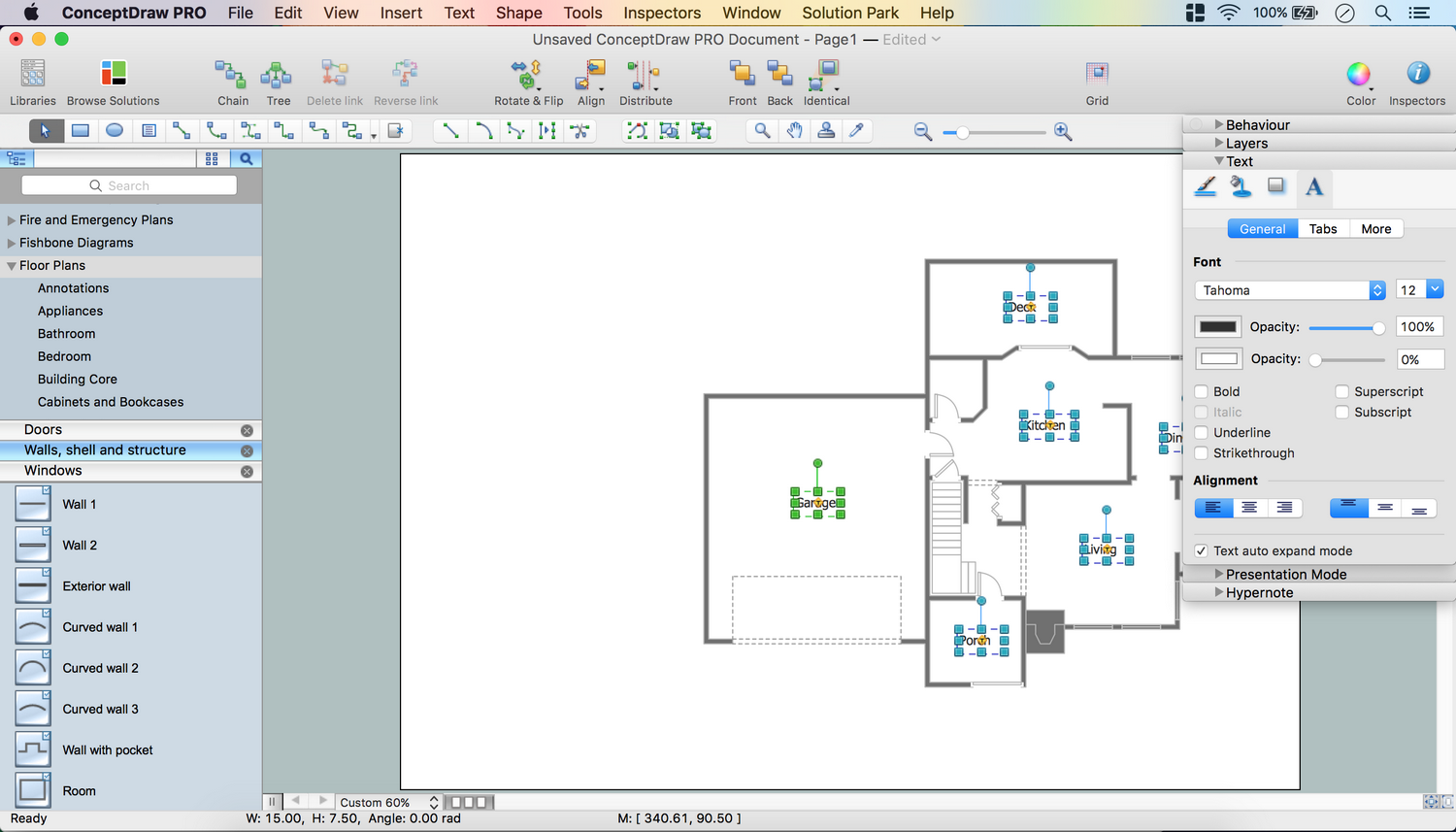
- To edit the text, select it and open the Text tab in Inspectors.
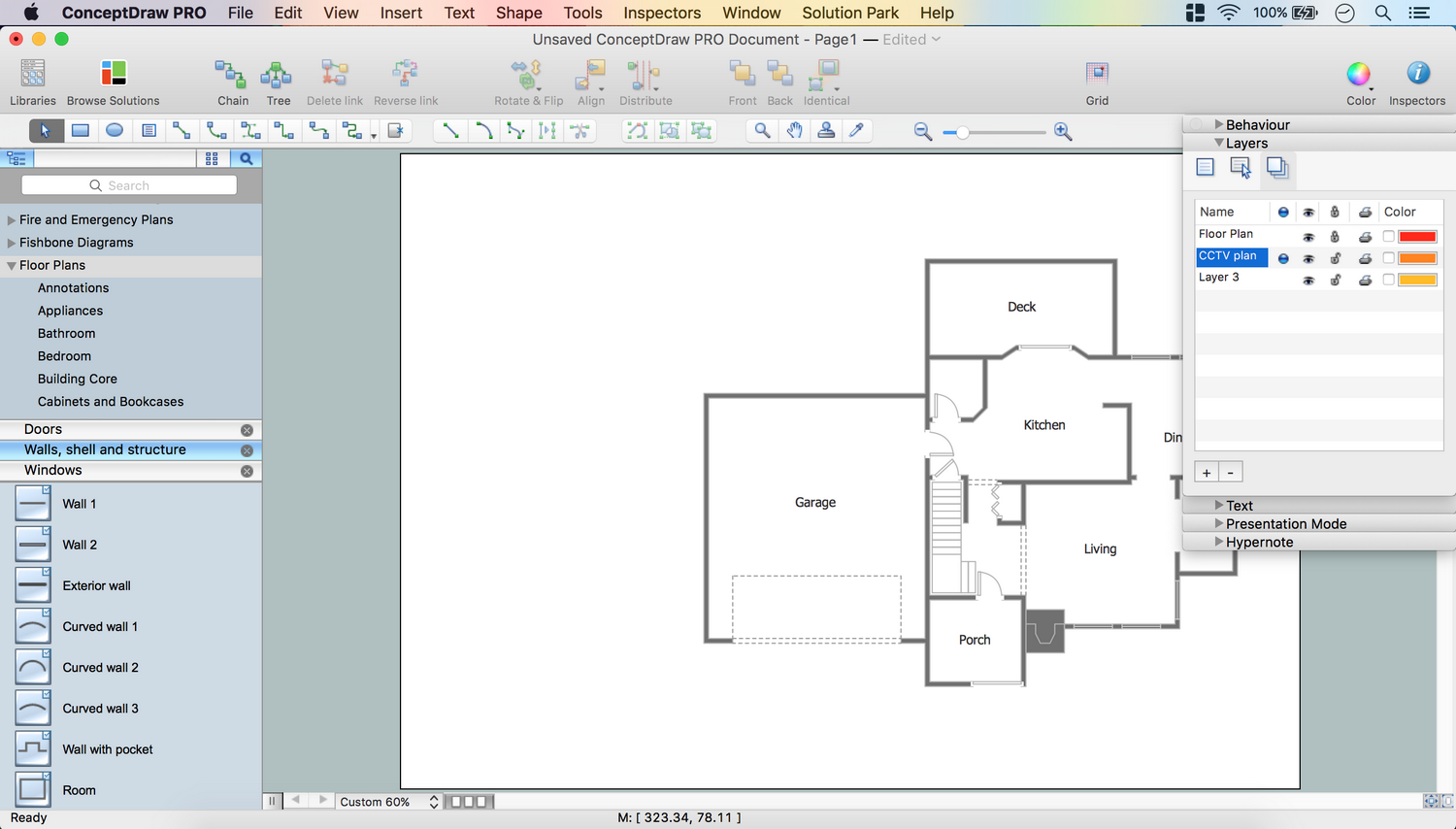
- Second Layer “CCTV Plan”:
- Inspector – Layers tab: Select another layer for the next part of the drawing.
- Lock the previous layer.
- In the Security and Access Plans Solution open the libraries containing the necessary shapes:
- Alarm and access control
- Video surveillance
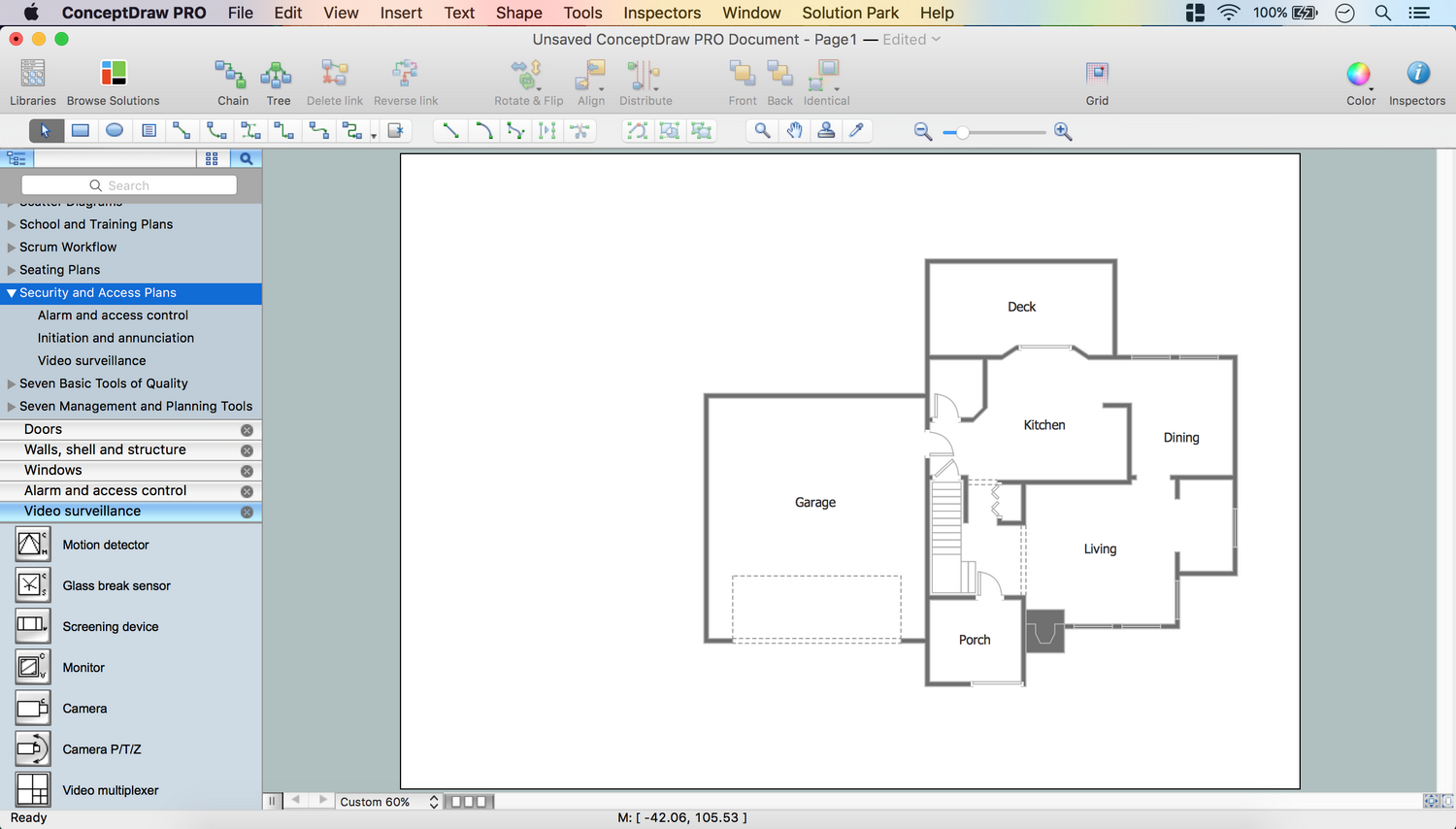
- At the Video surveillance library take a Monitor object.
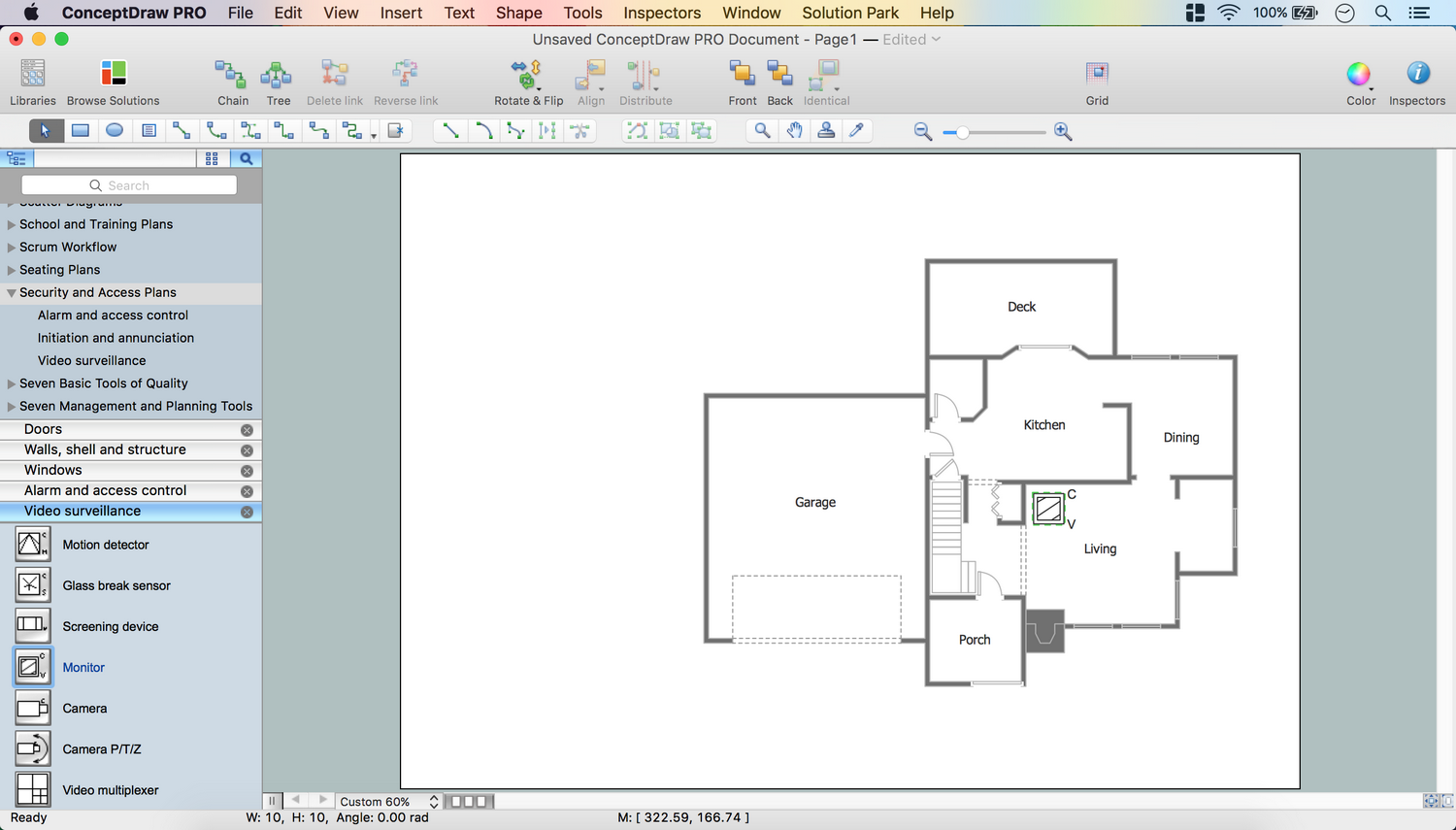
- Right click on the object – Custom Properties.
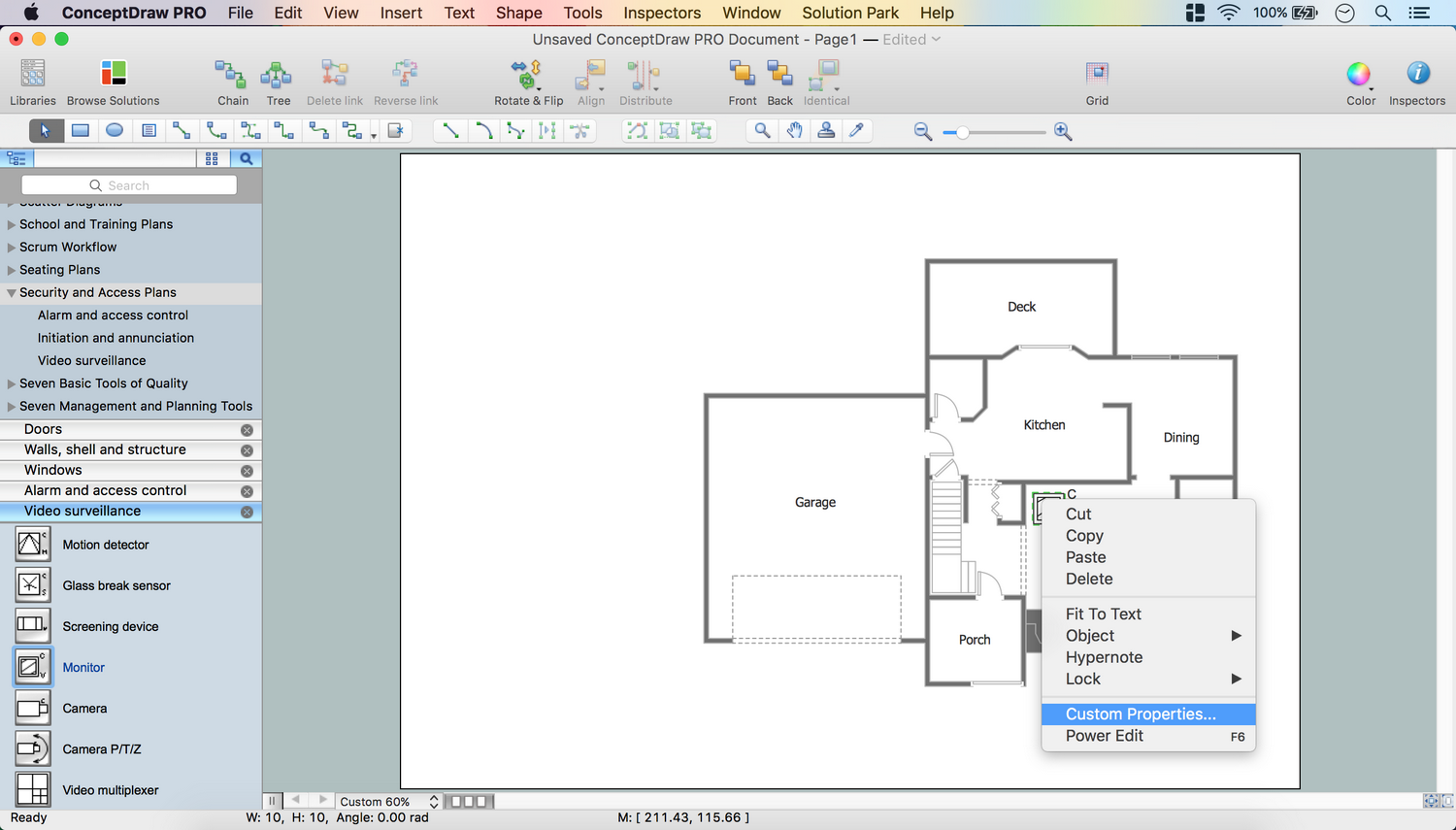
- Set the Type and the Value of the object:
- Type: String
- Value: W- Wall
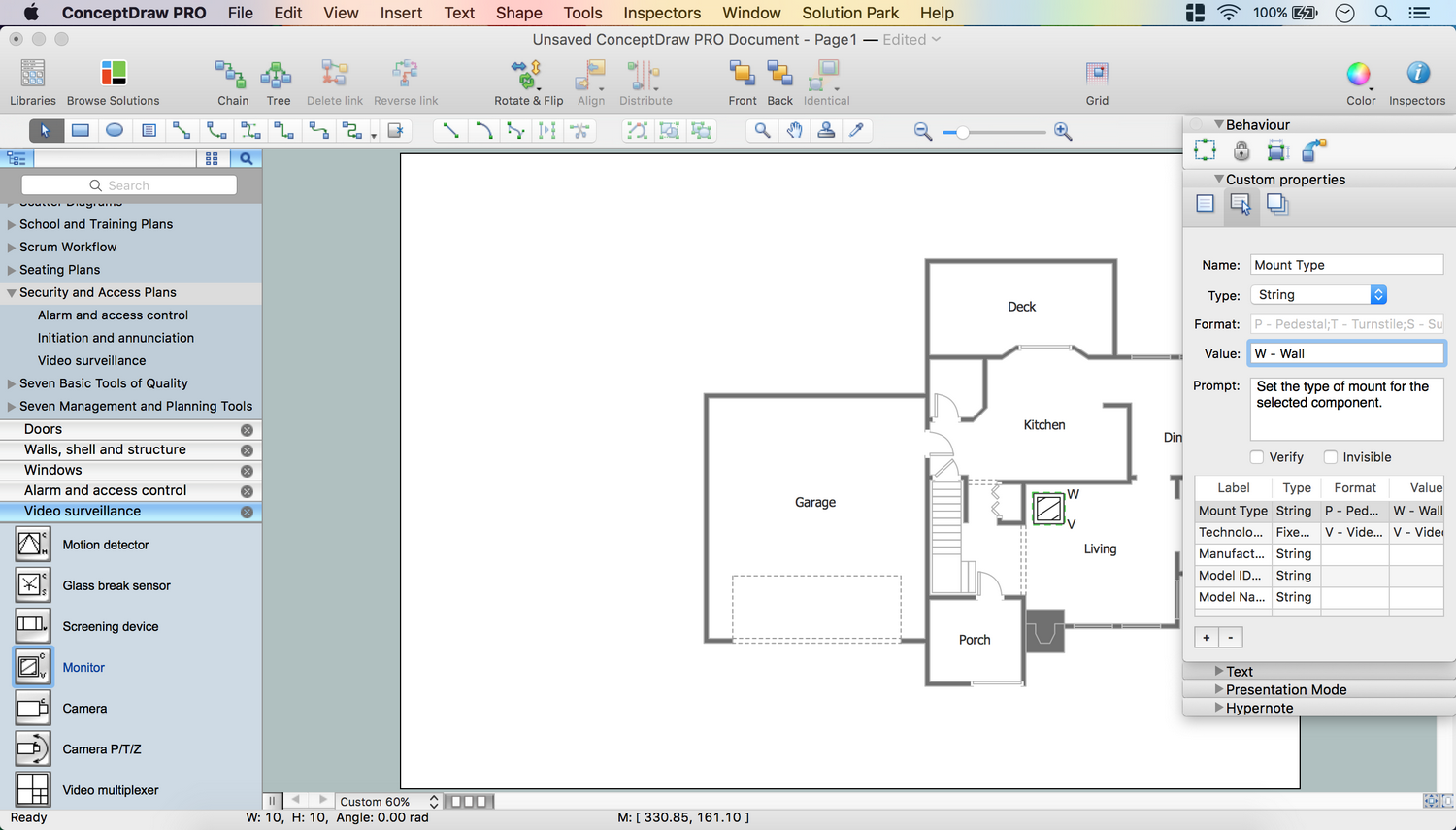
- Using the necessary objects from the library, place them on the floor plan.
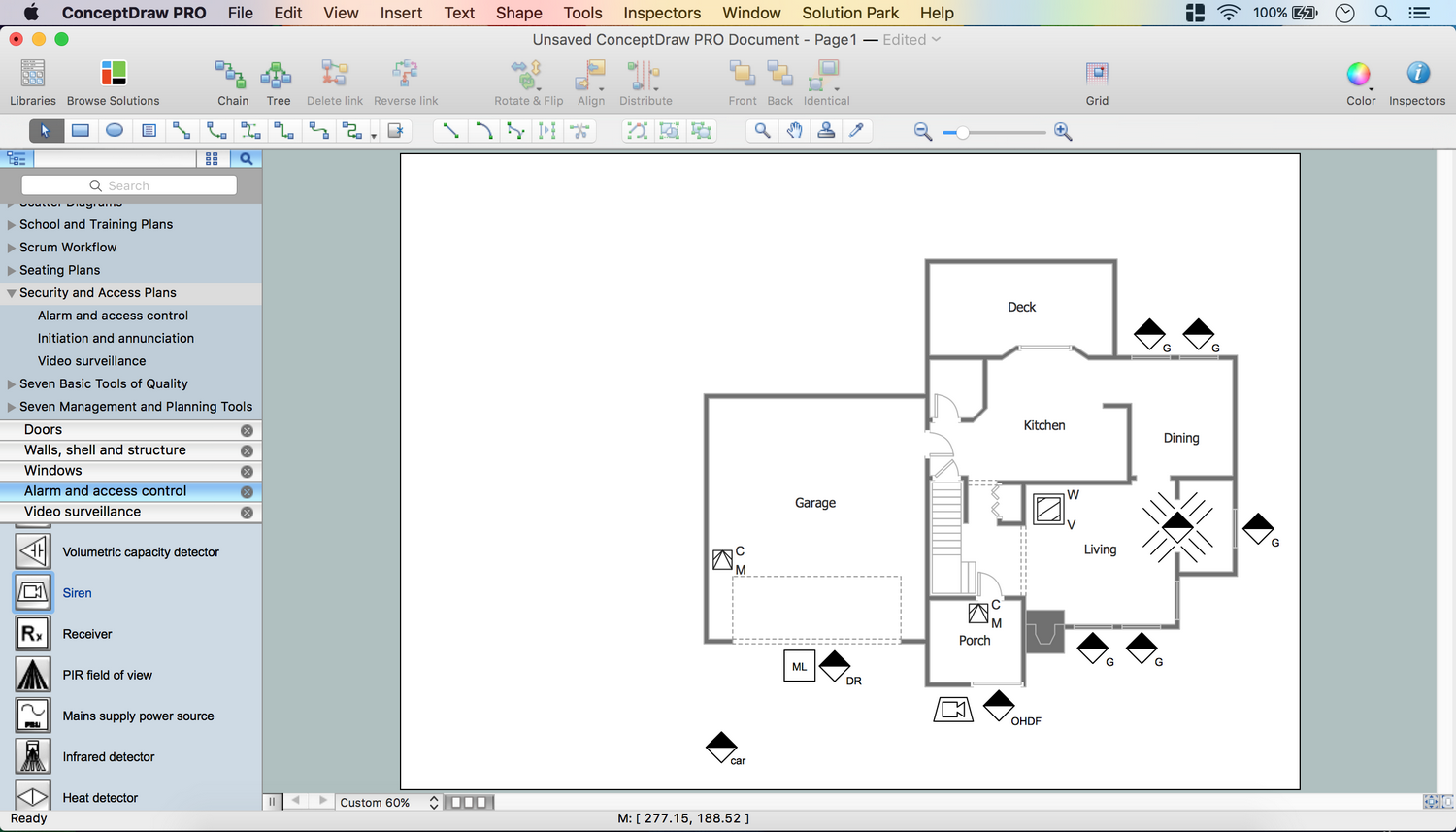
- To make objects same size:
- Select all the objects – Shape Menu on the Toolbar – Make Same – Size.
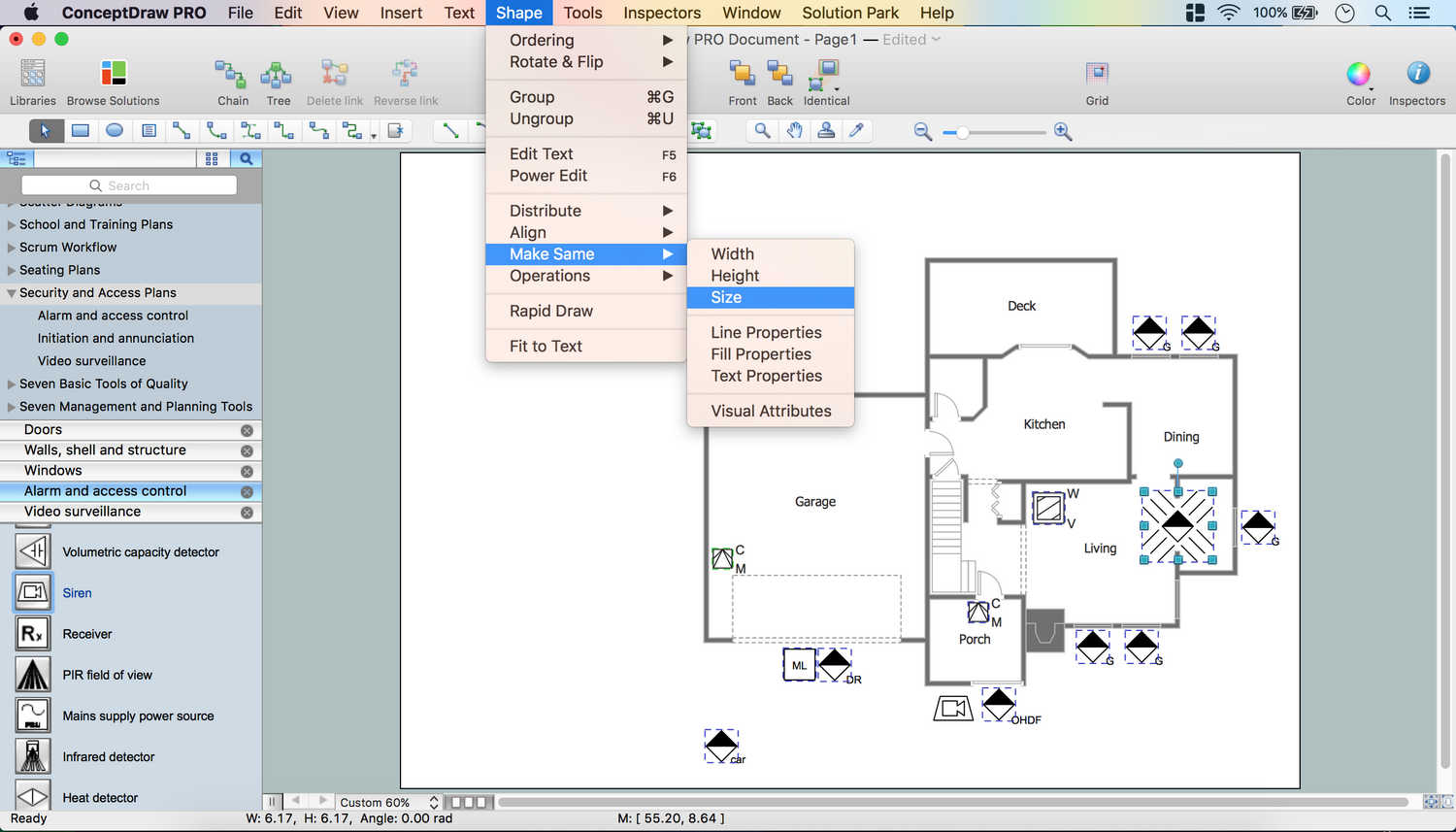
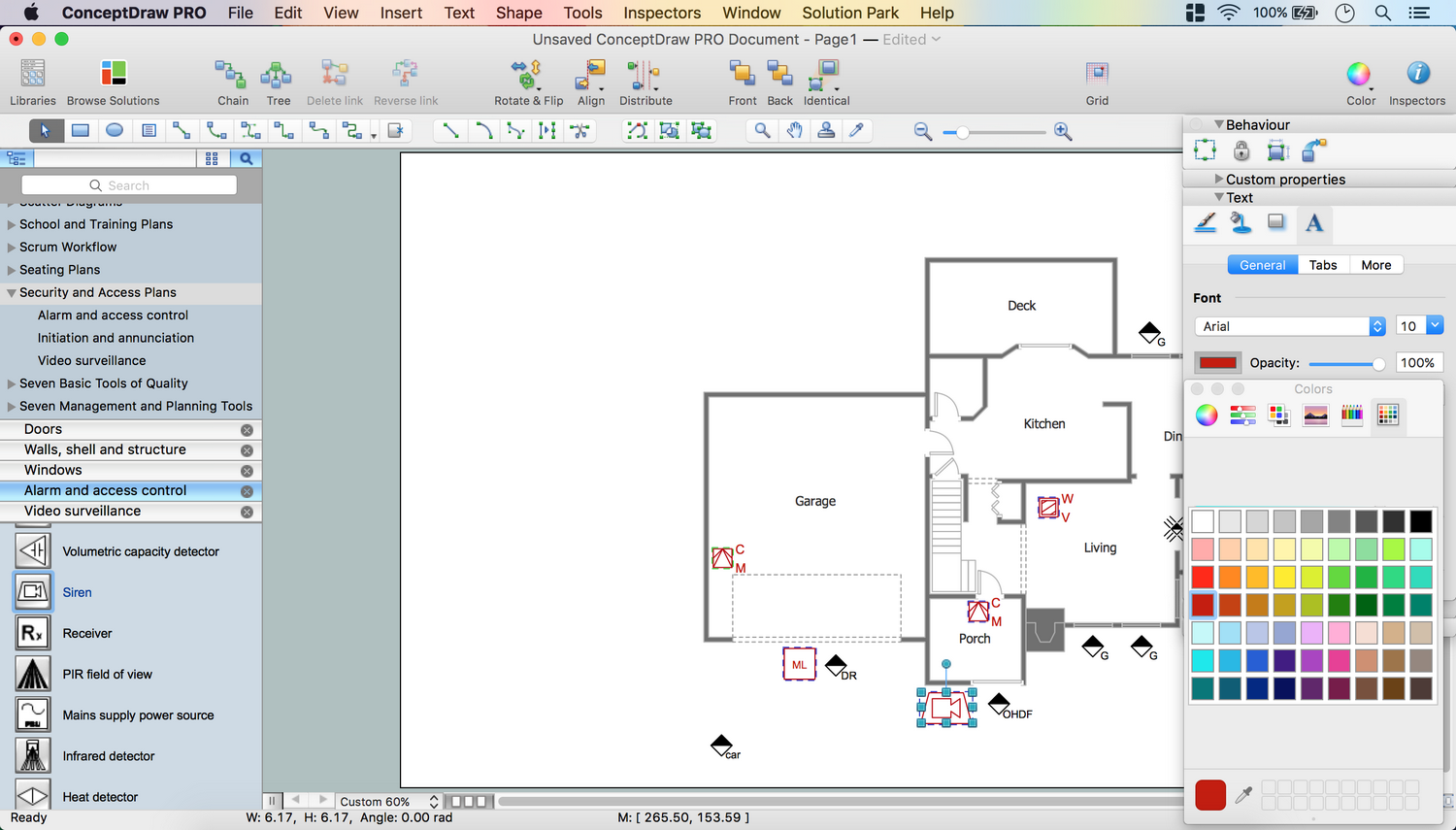
- To change the lines and text color, open Inspectors – Line tab, Text tab.
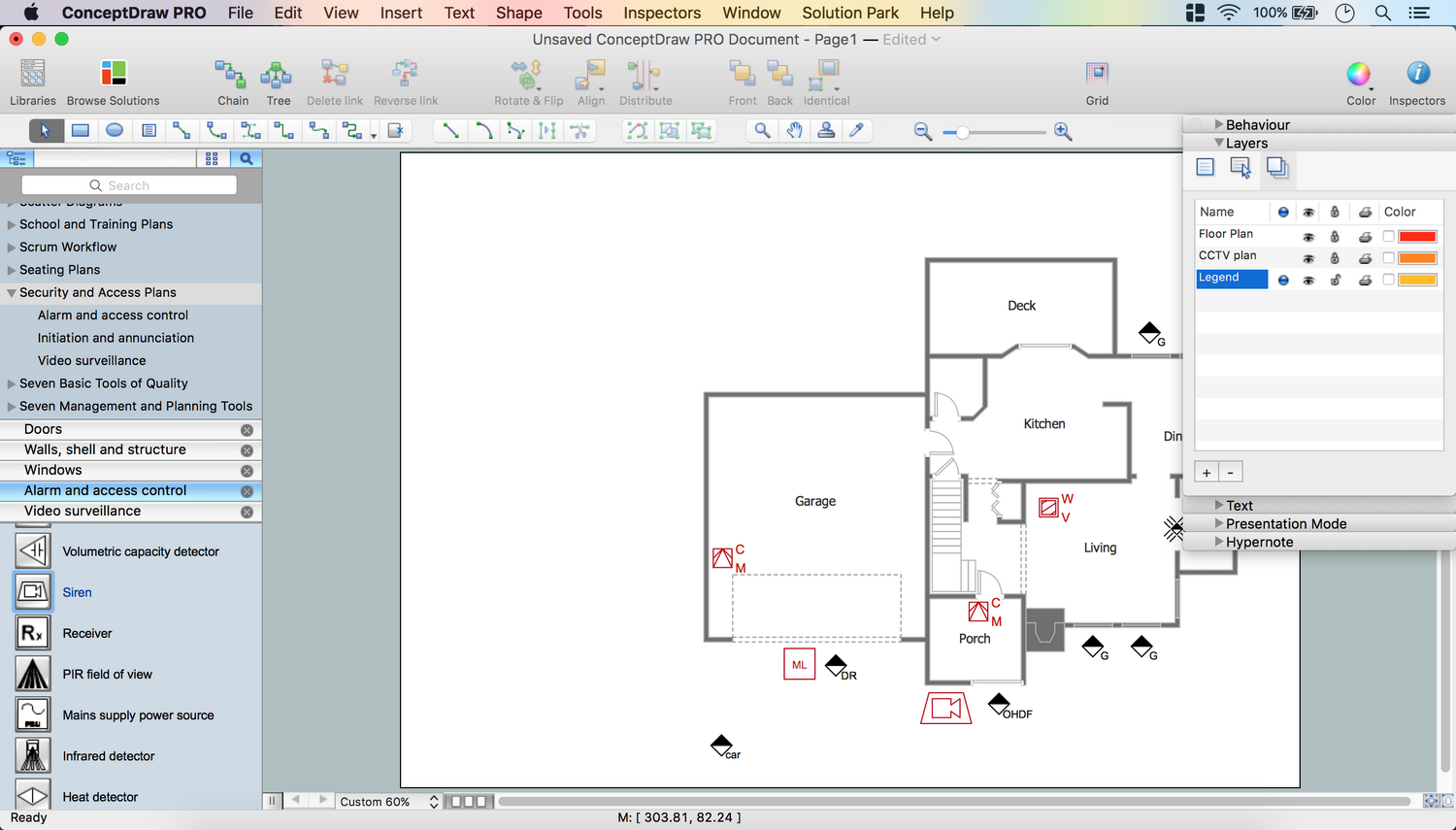
- Third Layer “Legend”:
- Inspector – Layers tab: Select another layer for the next part of the drawing.
- Lock the previous layer.
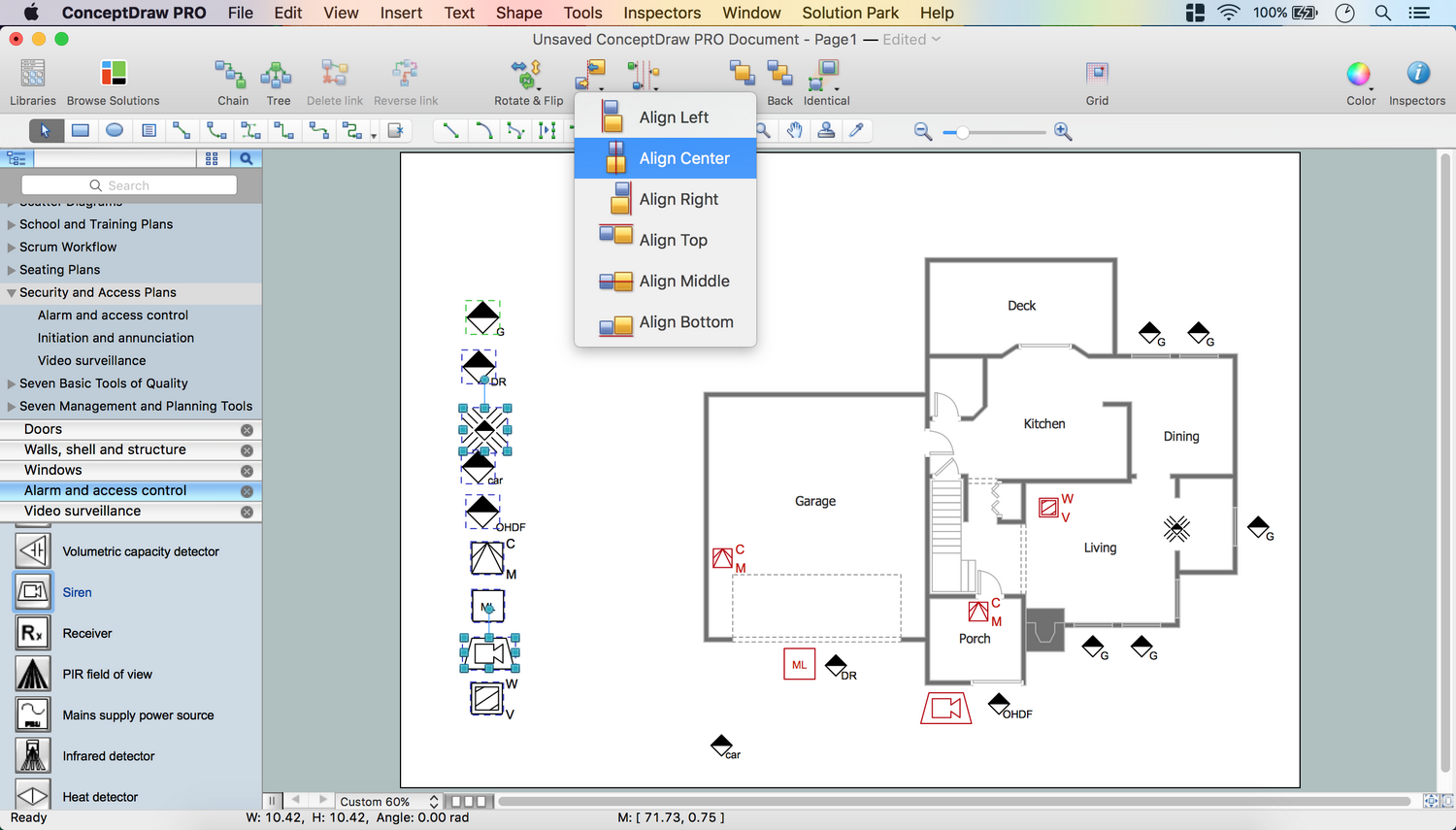
- Arrange all the objects in a column.
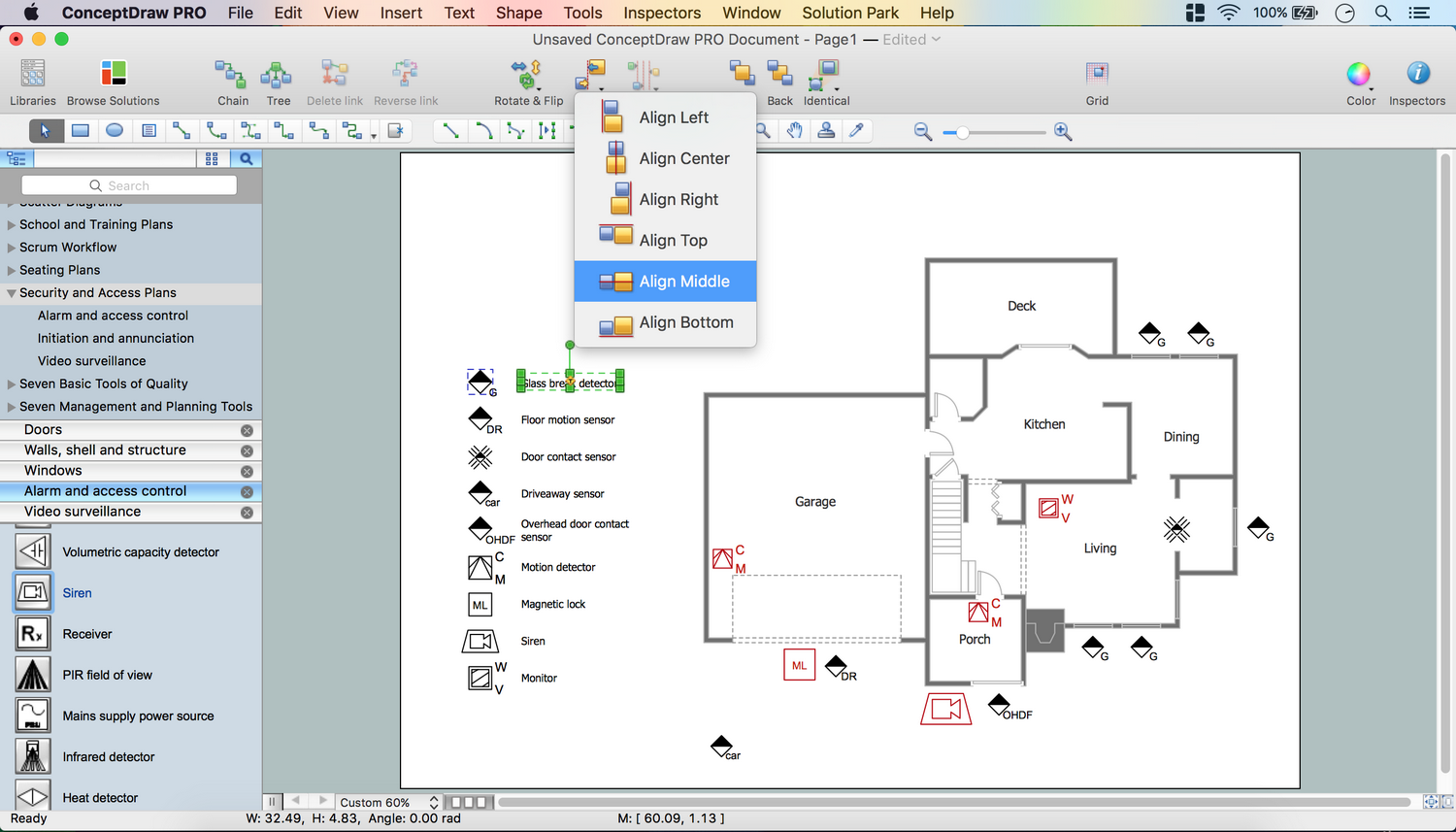
- Select all objects – choose Align function on the Toolbar – Align Center.
- Group all selected objects using Cmd+G or Shape menu – Group.
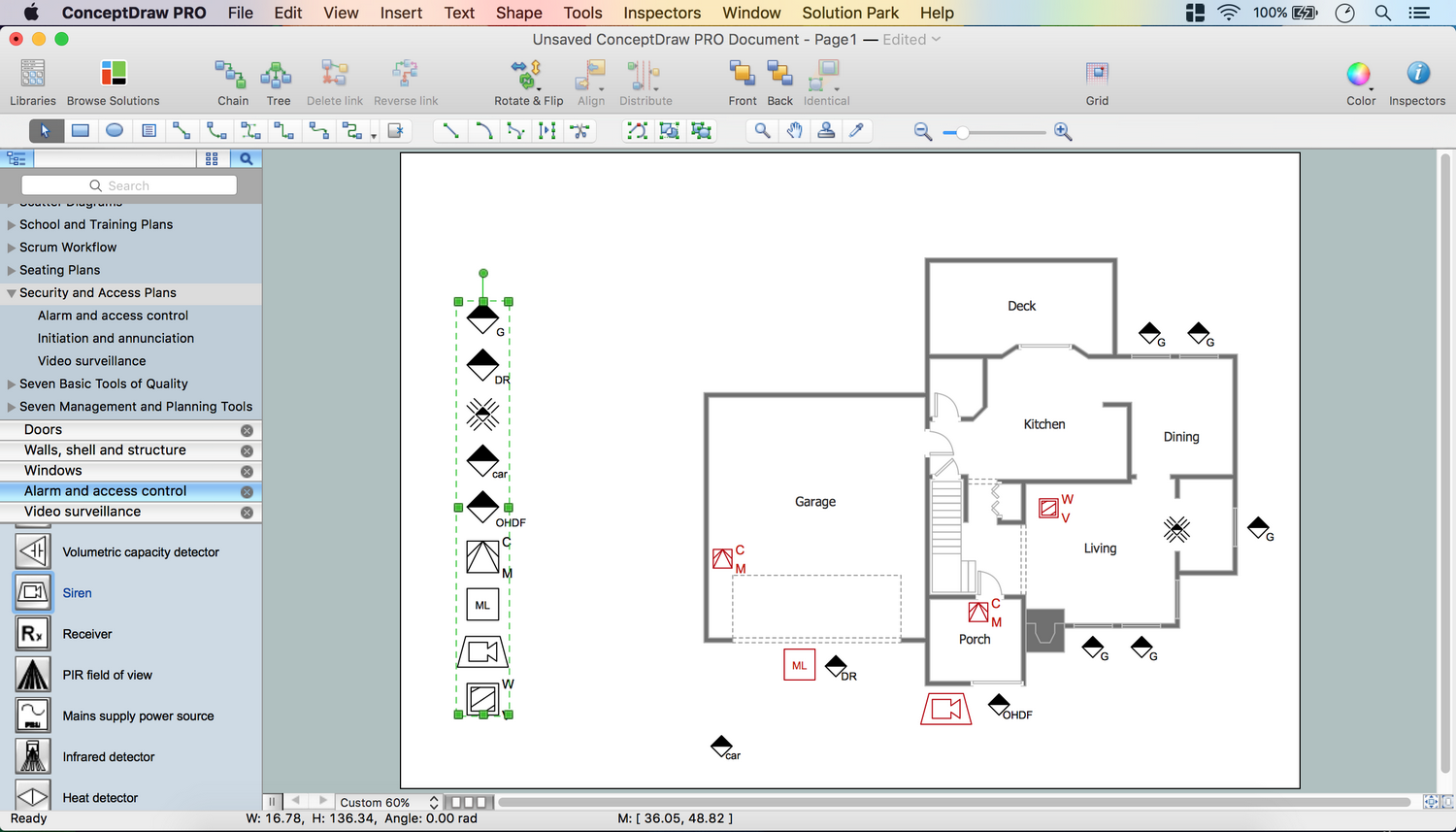
- Resize the group using the control dots.
- the objects: Shape menu – Ungroup or Cmd+U.
- Double click on the white space of the page – enter the objects’ names.
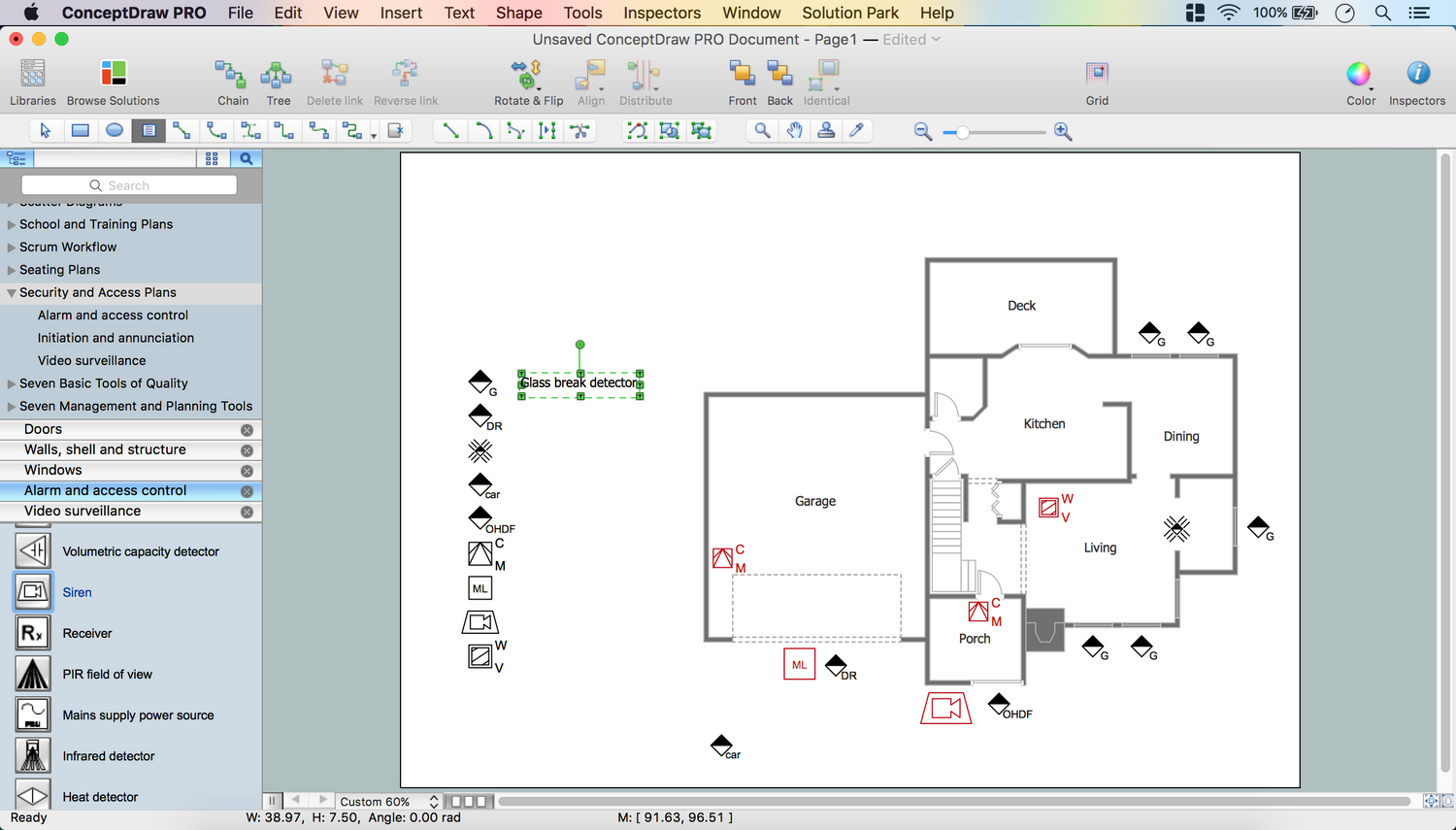
- Select the text boxes – Align Left using Align function on the Toolbar.
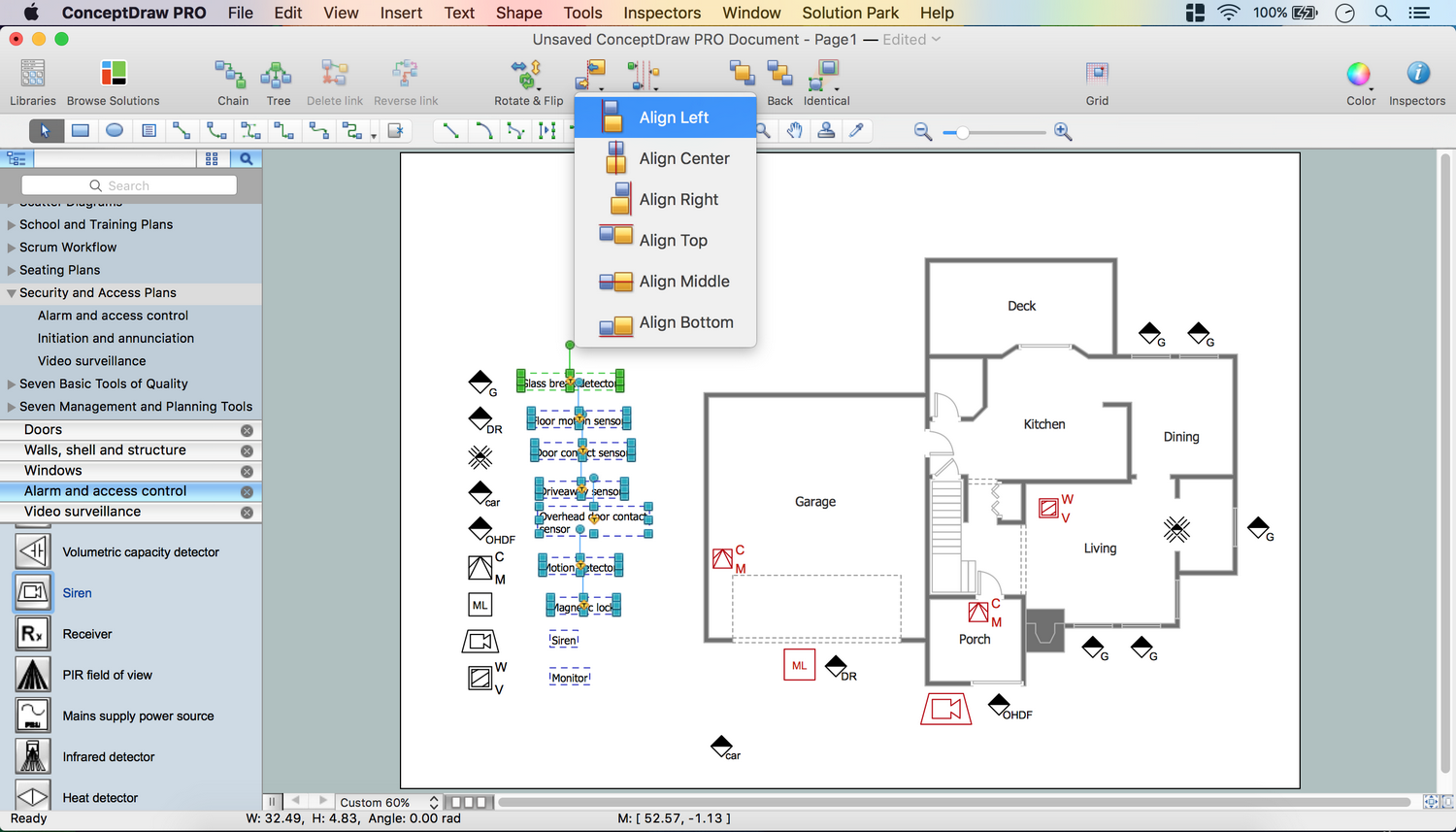
- Make the same distance between the text boxes using Distribute option on the Toolbar.
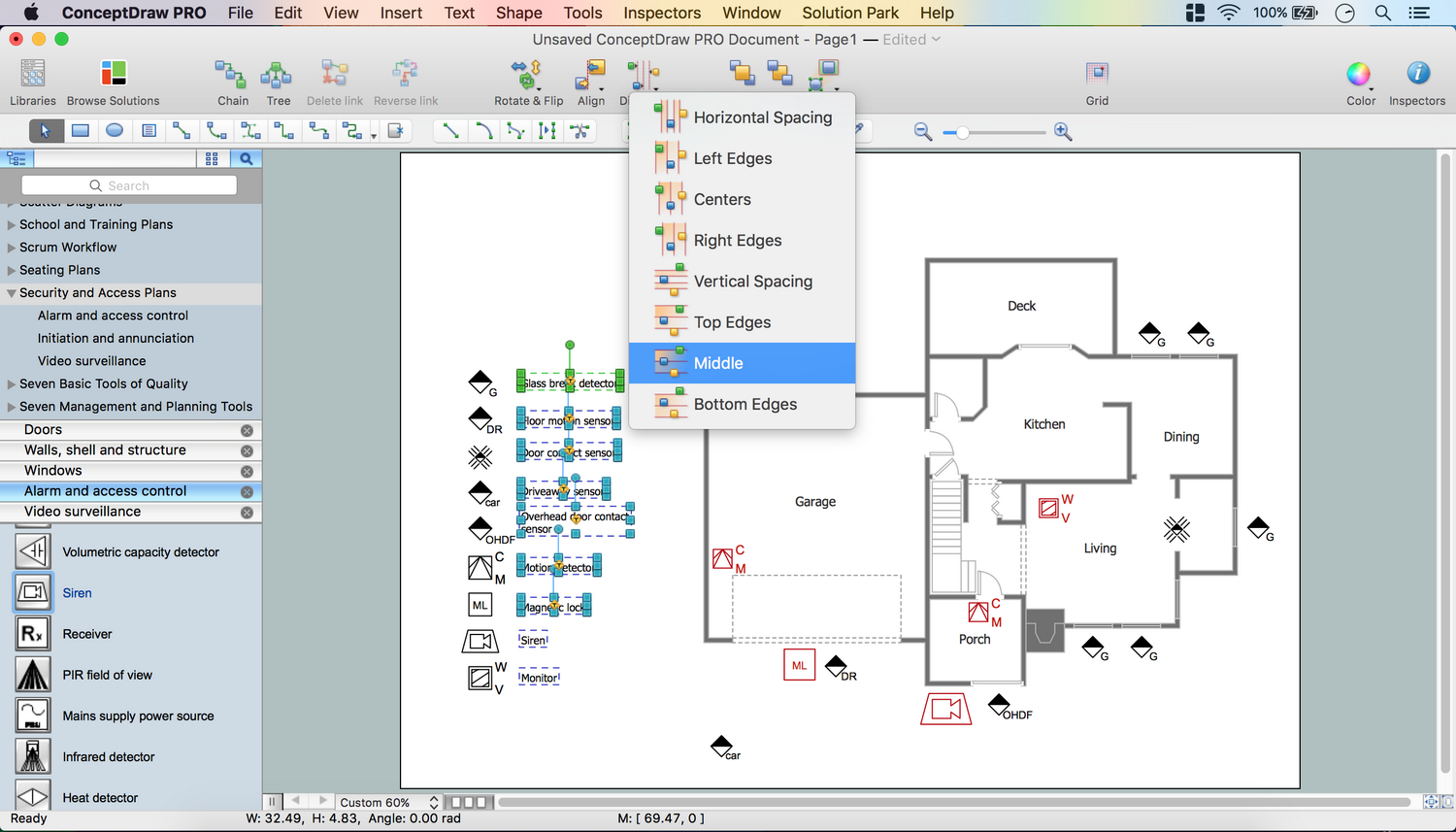
- Align the text boxes and the objects using Align function on the Toolbar.
- To make a background for the Legend, choose Rounded Rectangle at the Drawing Shapes library.
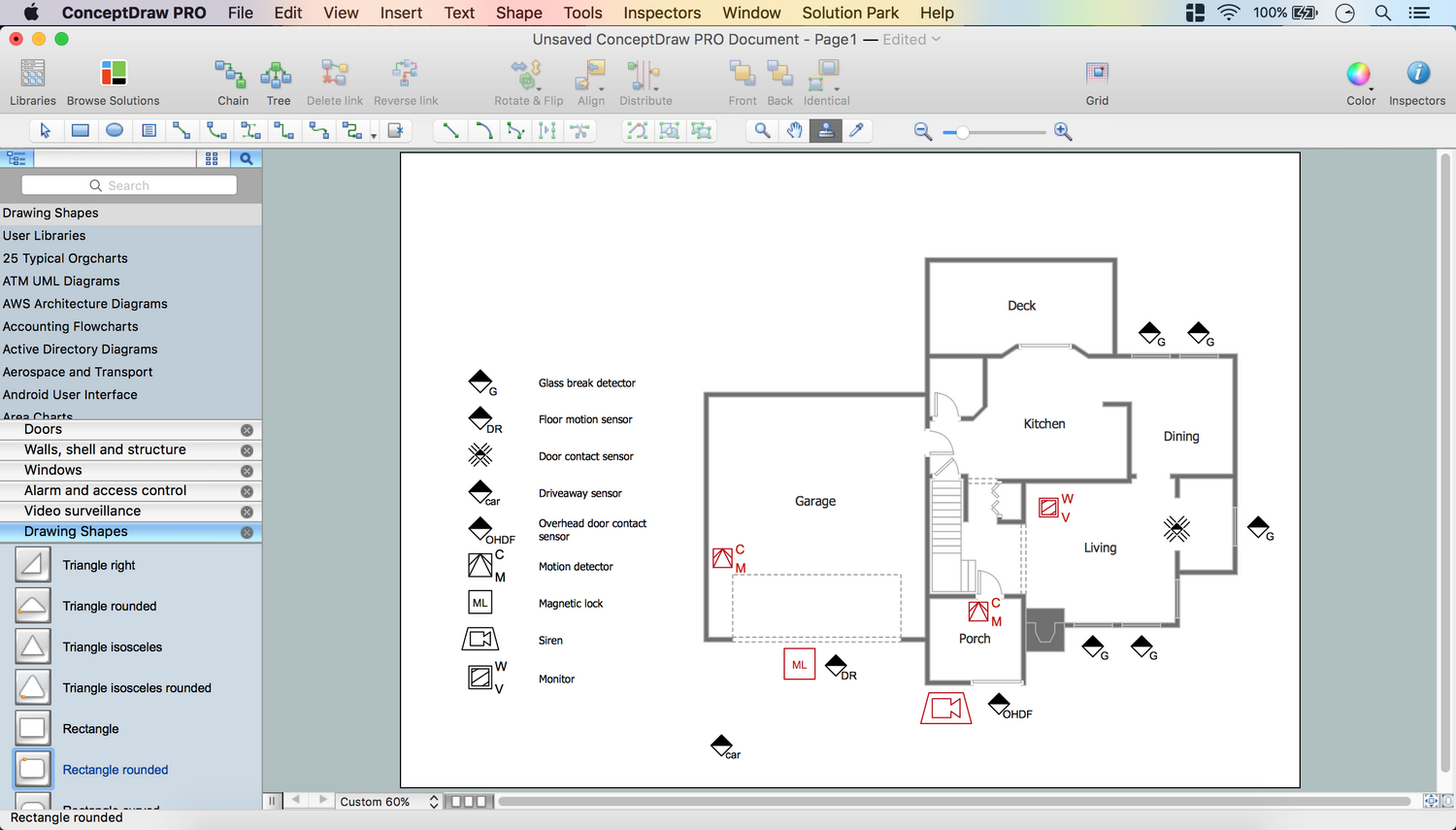
- Using control dots, make it slightly bigger than the text boxes and the objects together.
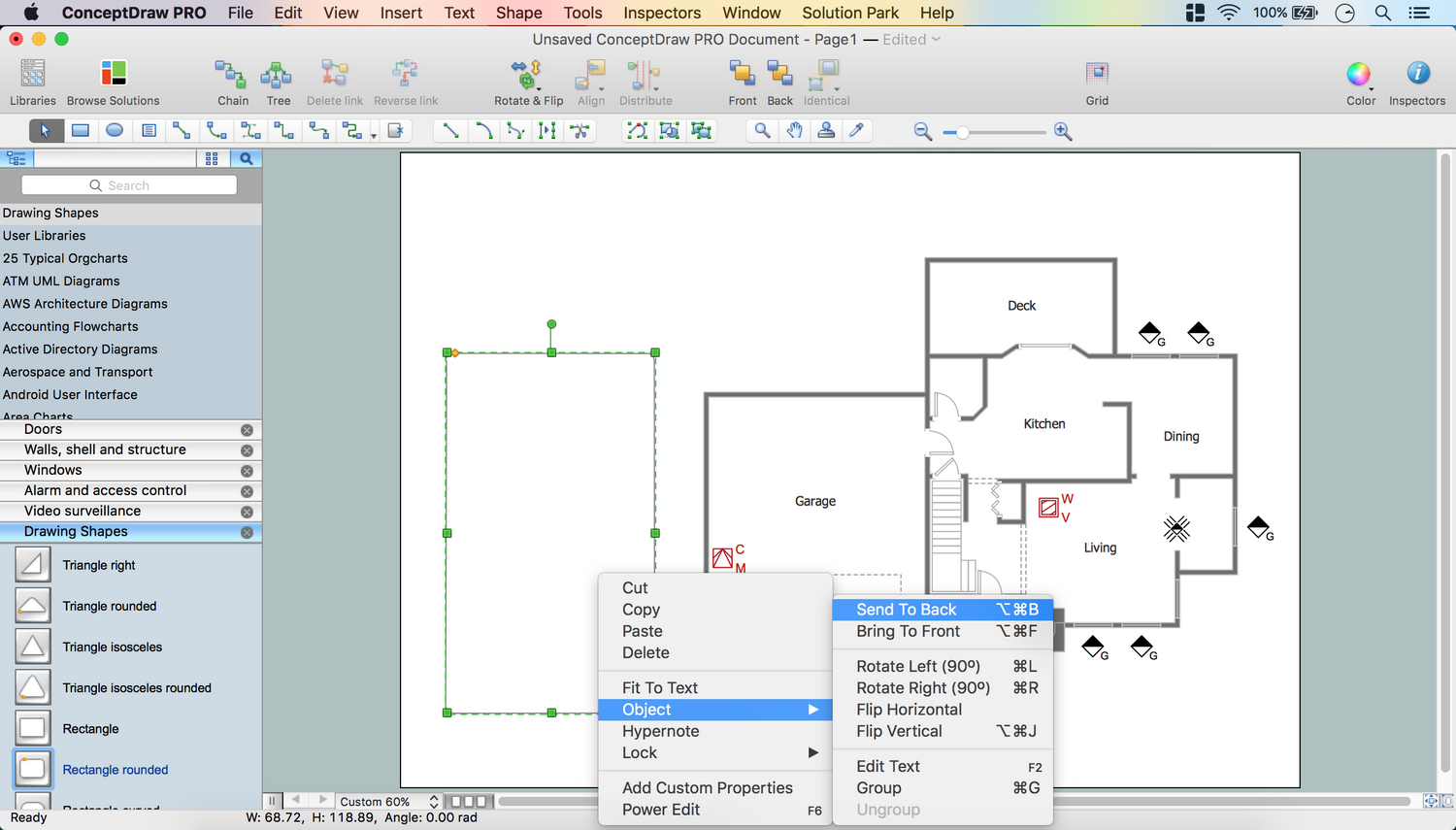
- Right click on the Rectangle – Object – Send to Back.
- The fourth Layer “Background”:
- Inspectors – Layers tab – Add a New Layer using plus icon (+).
- Lock the previous layer.
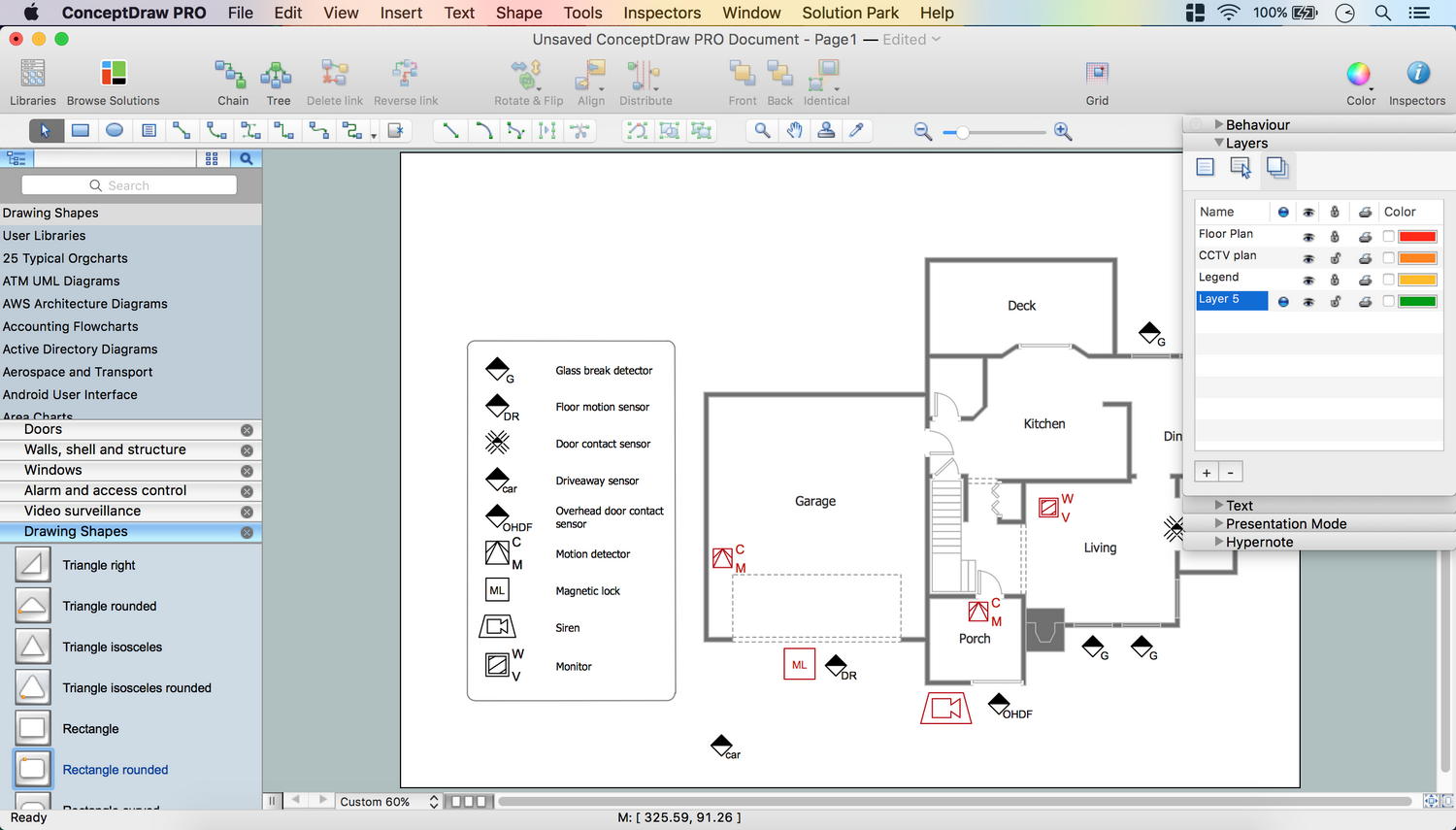
- Take Rectangle at the Drawing Shapes library. Using control dots, set the size of the object same as the page size.
- Open Inspectors – Line tab – deselect Stroke.
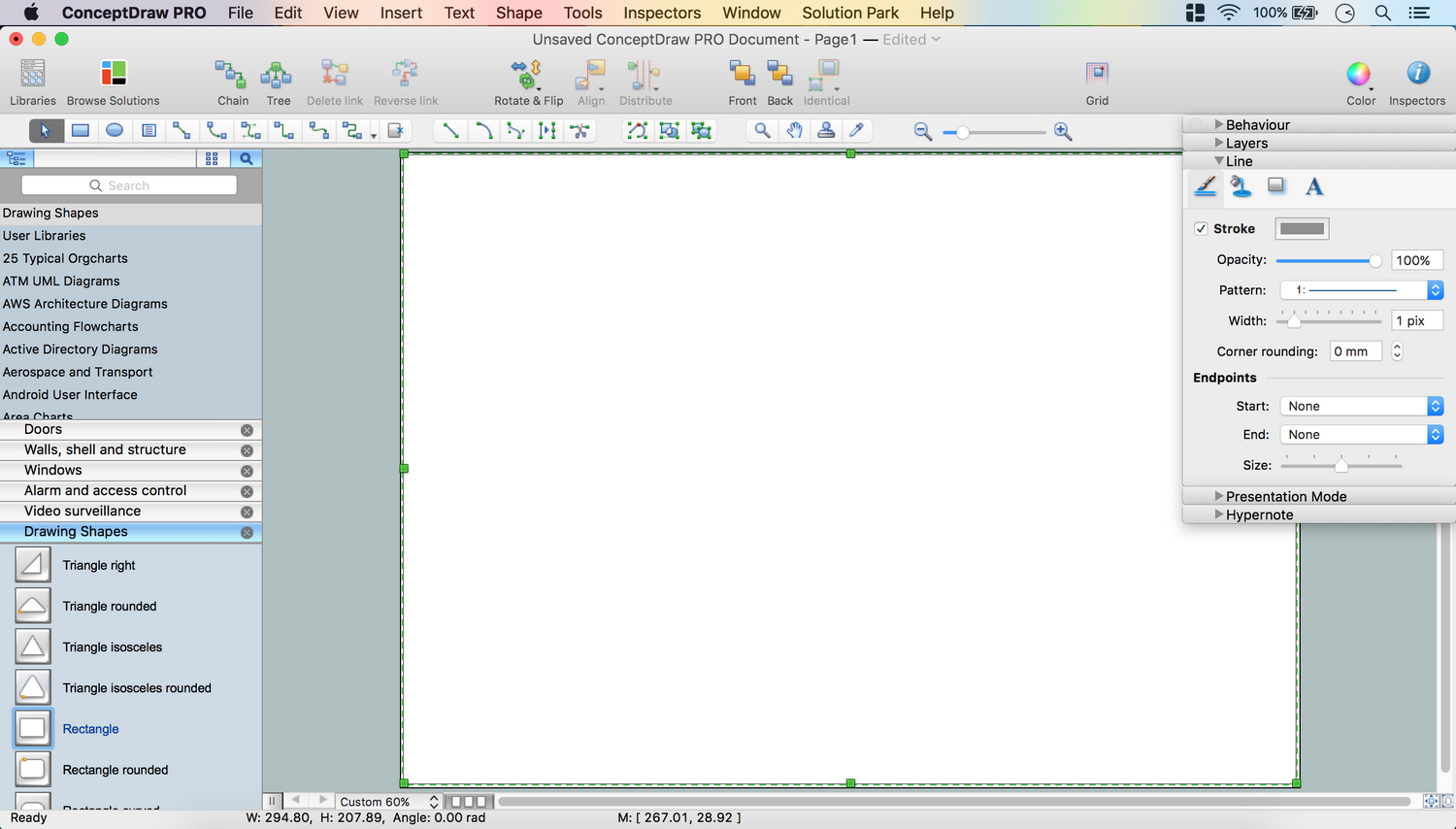
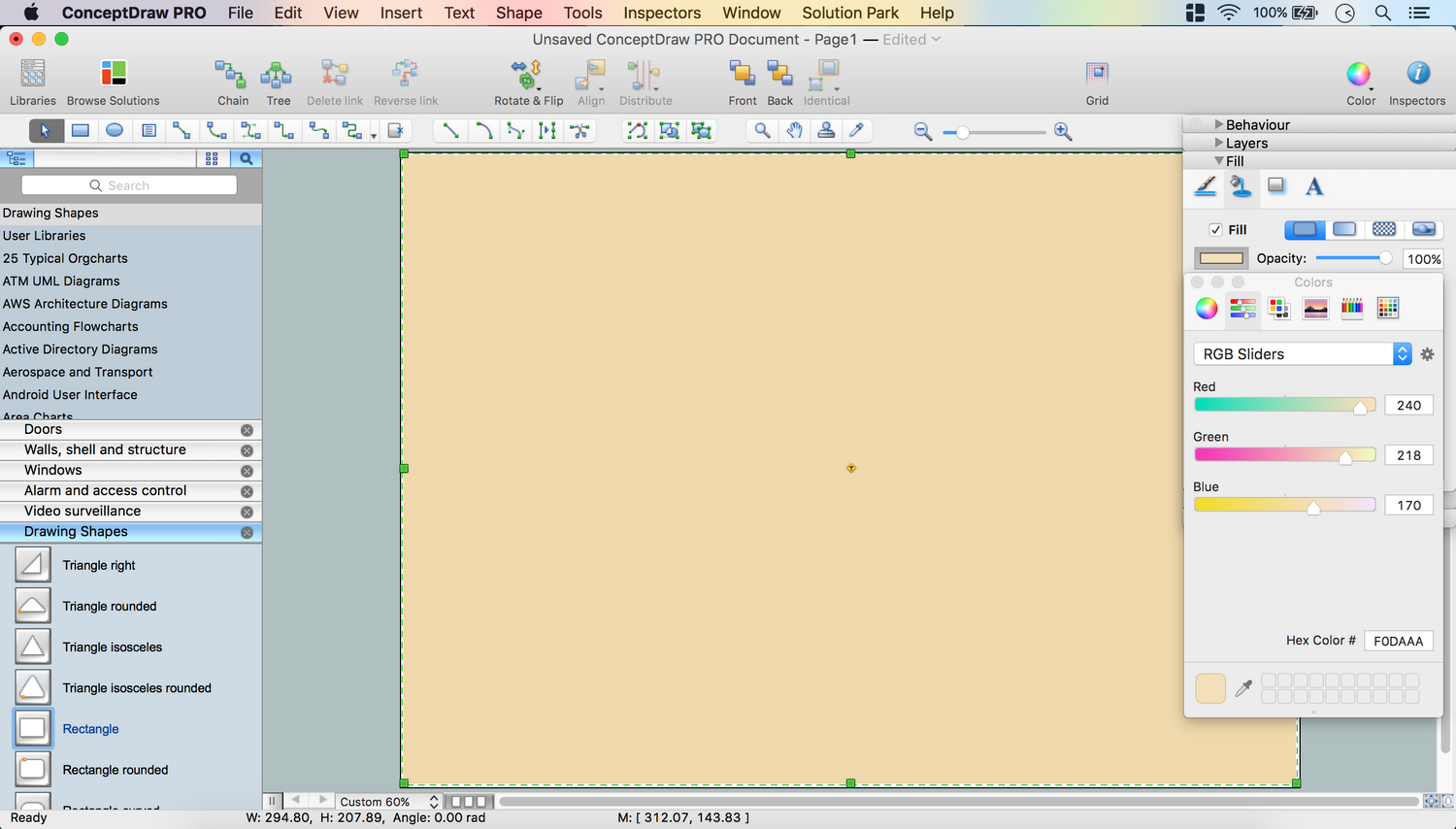
- Open the Fill tab – Color – Color Sliders – Make your color.
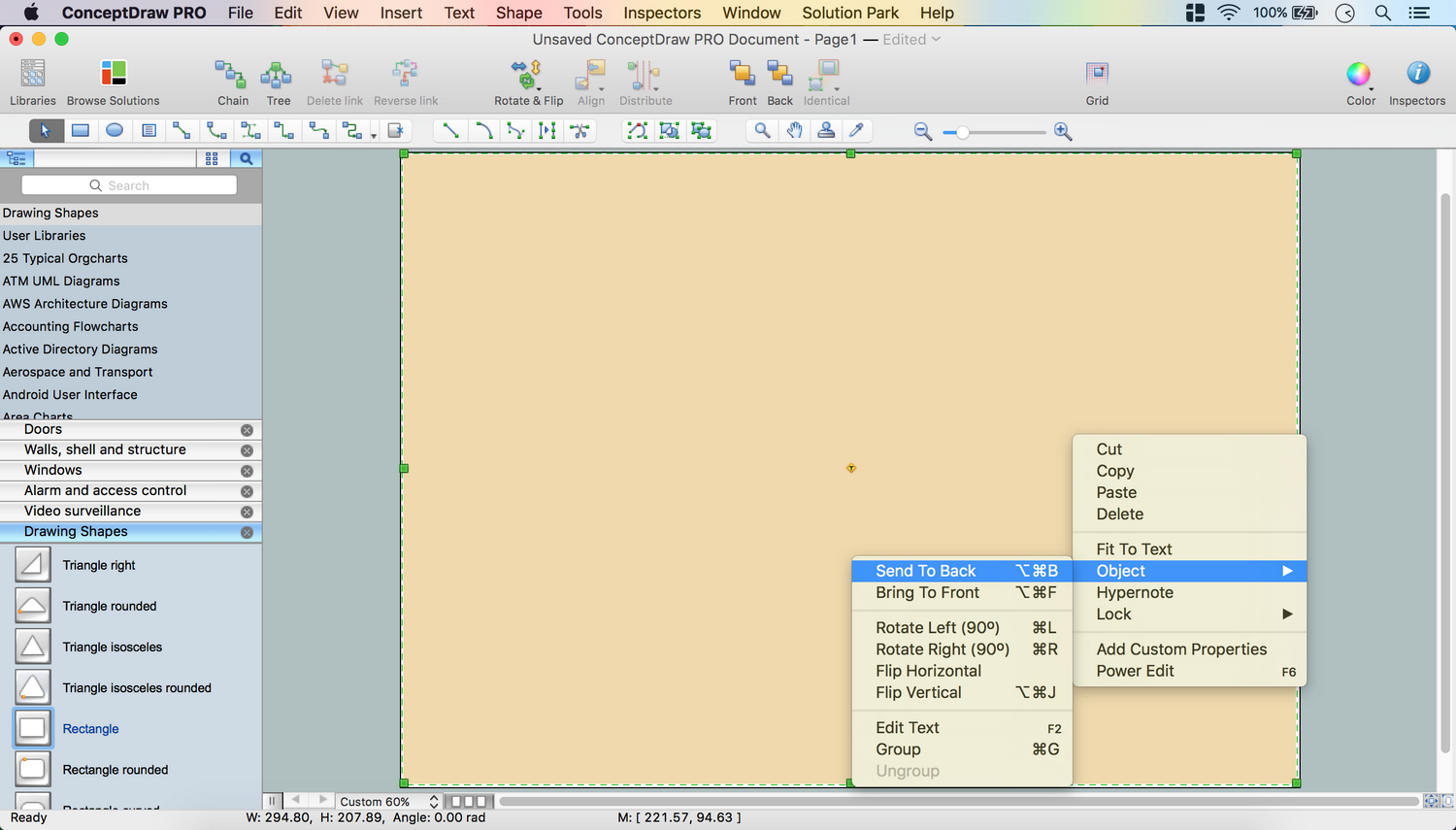
- Right click on the Rectangle – Object – Send to Back.
- From the File menu open the Document Properties – Page Size – Adjust to Drawing Contents – Ok.
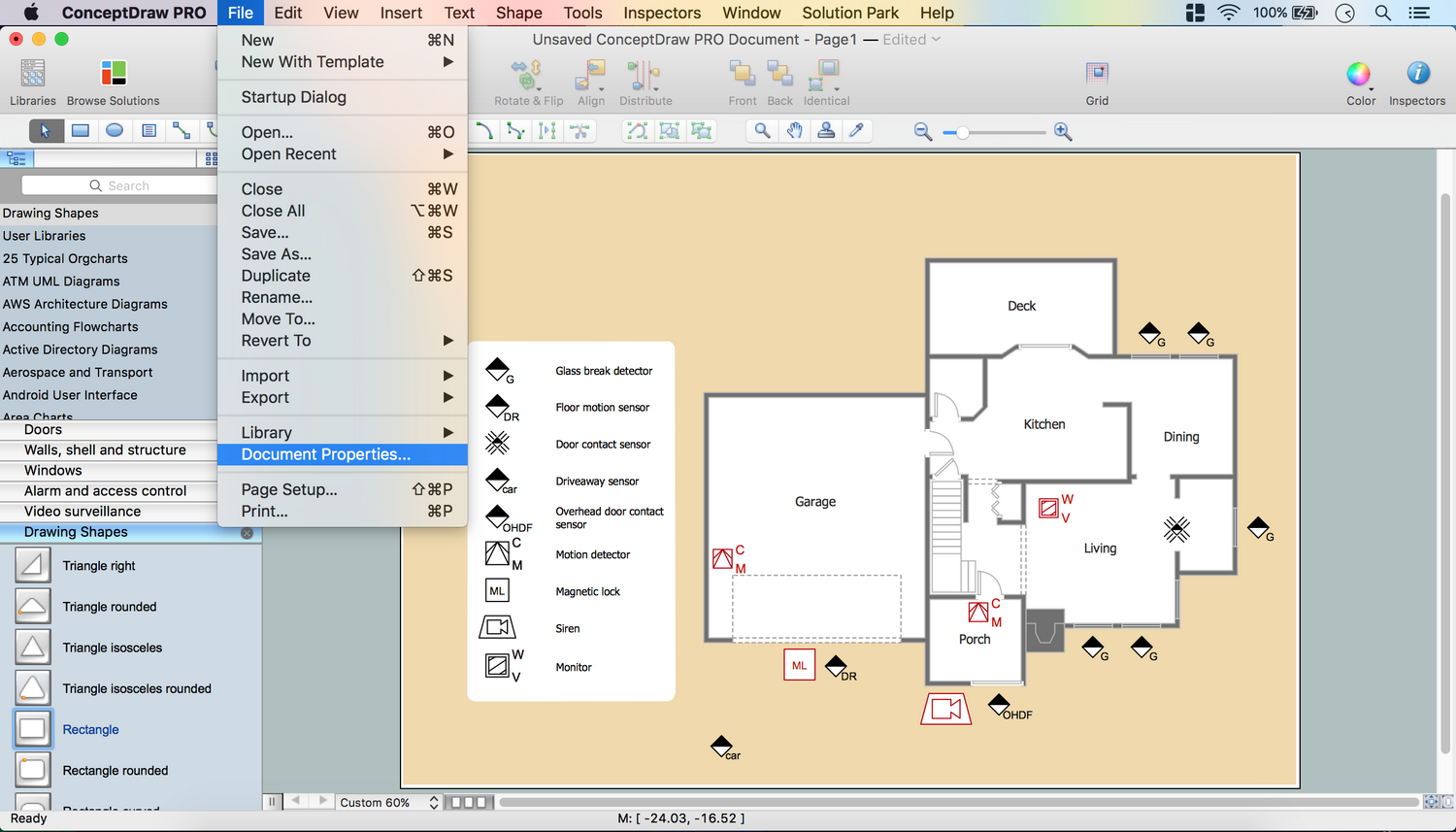
- Now your drawing is ready!
- You may save it or export to different formats via the File menu.
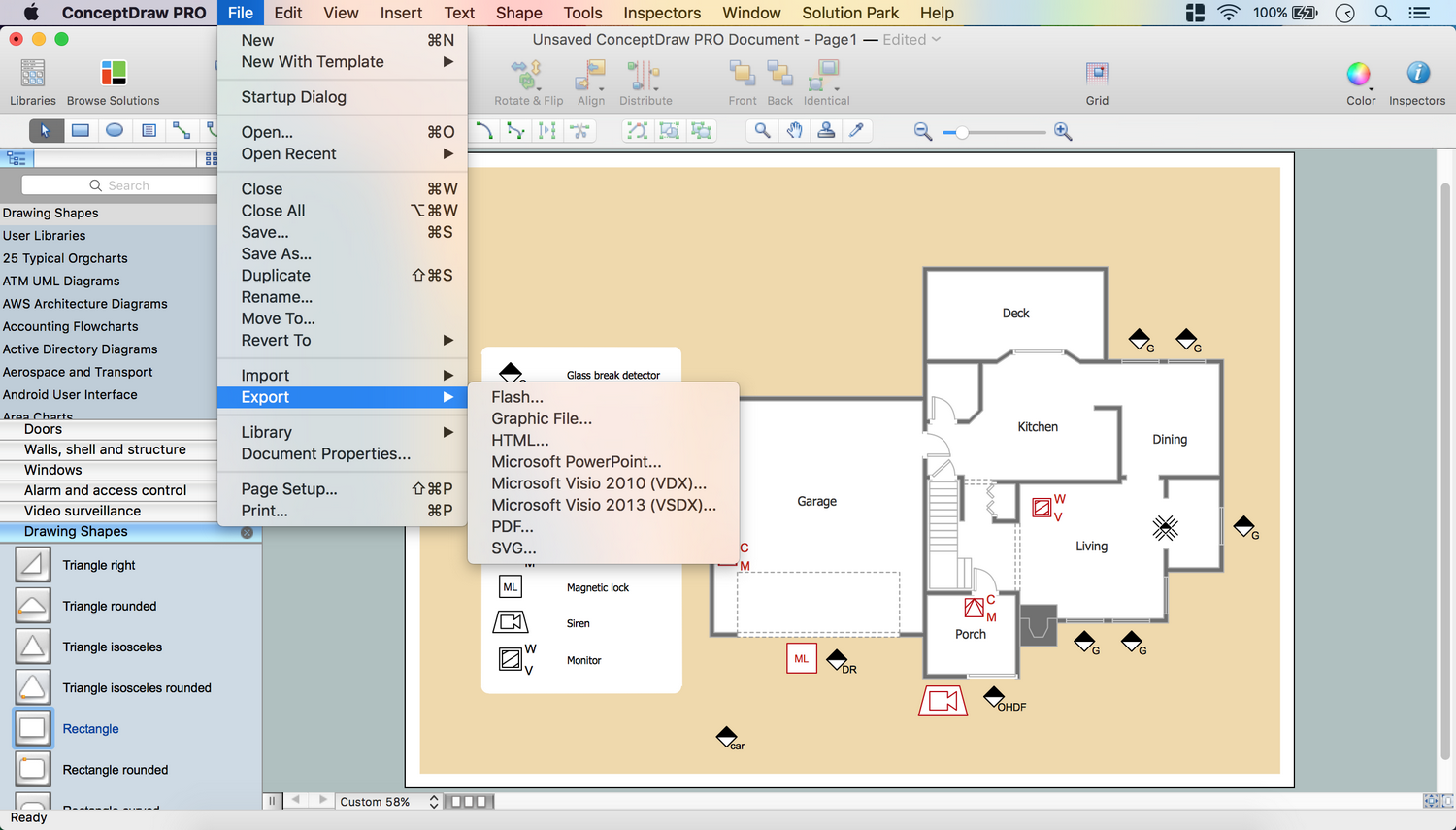
The possibility of exporting to variety of popular graphical formats (PNG, JPEG, JPG, GIF, TIF, TIFF, BMP, DIB, EMF, SVG) and file formats, such as Microsoft PowerPoint (PPT), Adobe Acrobat (PDF), Microsoft Visio (VDX, VSDX), Adobe Flash (SWF), Encapsulated PostScript (EPS), HTML, opens wide opportunities for you.
Video. How To Create CCTV Network Diagram (2min 29sec)
TEN RELATED HOW TO's:A flowchart is a powerful tool for examining processes. It helps improving processes a lot, as it becomes much easier to communicate between involved people, to identify potential problems and to optimize workflow. There are flowcharts of different shapes, sizes and types of flowchart vary from quite basic process flowcharts to complex program flowcharts. Nevertheless, all these diagrams use the same set of special symbols like arrows to connect blocks, parallelogram to show data receiving or rectangles for showing process steps. Basic flowcharts are used to represent a simple process algorithm. A basic flowchart notation consists of rectangles (business processes), arrows (the flow of information, documents, etc.). The same notation is used in items such as the "decision", which allow you to do the branching. To indicate the start of the entire business process and its termination can be used the "Terminator" element. The advantages of Basic Flowchart are simplicity and clarity. With it you can quickly describe the business process steps. Creating of Basic Flowchart does not require any special knowledge, as easily understand by employees with different levels of education and IQ.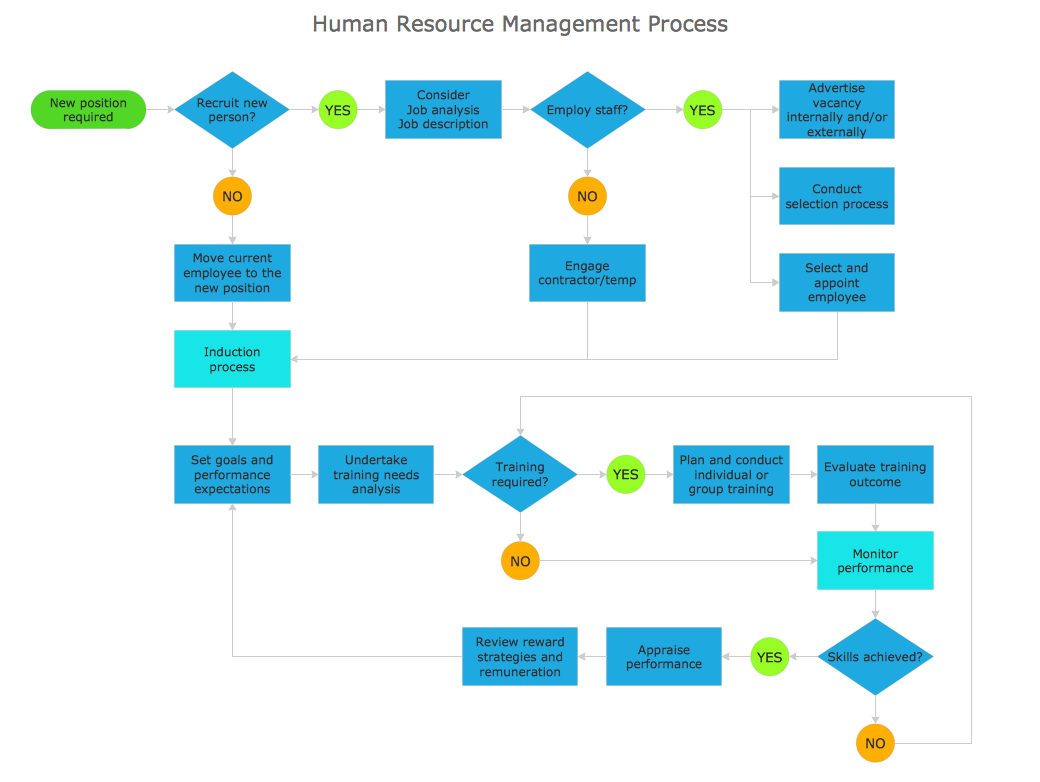 Picture: Types of Flowchart: Comprehensive OverviewRelated Solution:ConceptDraw DIAGRAM is perfect for software designers and software developers who need to draw Computer&Network Diagrams. ConceptDraw has 1004 vector stencils in the 40 libraries that helps you to start using software for designing own Network Diagrams. You can use the appropriate stencils from Computer and Network Diagrams library with 56 objects.
.png) Picture: Design Element: Computer and Networkfor Network DiagramsRelated Solution:ConceptDraw PROJECT is a vigorous tool for managing single or multiple projects. It lets you determine all essential elements involved into project, control schedules, resources and finances, and monitor projects' progress in most effective yet simple manner.
Picture: Design Element: Computer and Networkfor Network DiagramsRelated Solution:ConceptDraw PROJECT is a vigorous tool for managing single or multiple projects. It lets you determine all essential elements involved into project, control schedules, resources and finances, and monitor projects' progress in most effective yet simple manner.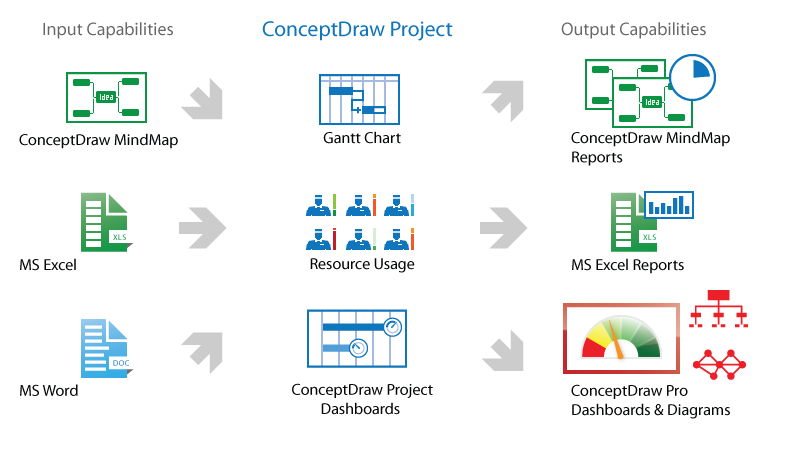 Picture: Product OverviewActivity on Node Network Diagramming Tool - Activity Network and Project Evaluation and Review Technique, or PERT, charts are a way of documenting and analyzing the tasks in a project. This sample shows the Activity on node network diagramming method. It was created in ConceptDraw DIAGRAM diagramming and vector drawing software using the Seven Management and Planning Tools solution from the Management area of ConceptDraw Solution Park.
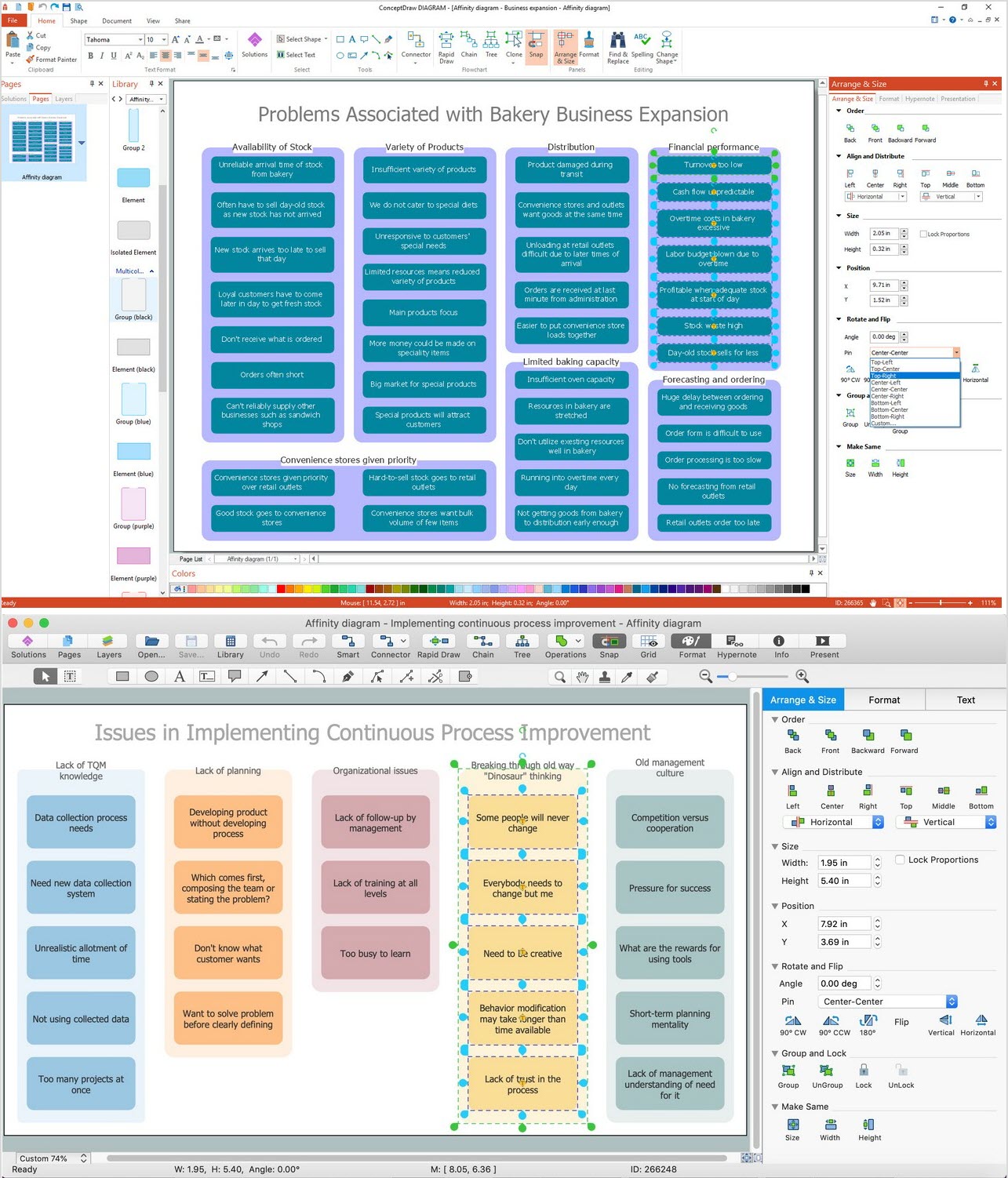 Picture: Activity on Node Network Diagramming ToolRelated Solution:Bubble Charts are convenient way to visualize ideas and concepts by organizing them in a hierarchy. To show the importance of ideas you can use different bubble sizes and colors. ConceptDraw DIAGRAM diagramming and vector drawing software extended with Business Diagrams Solution from the Management Area affords you the easiest and fastest way for designing professional-looking Bubble Charts.
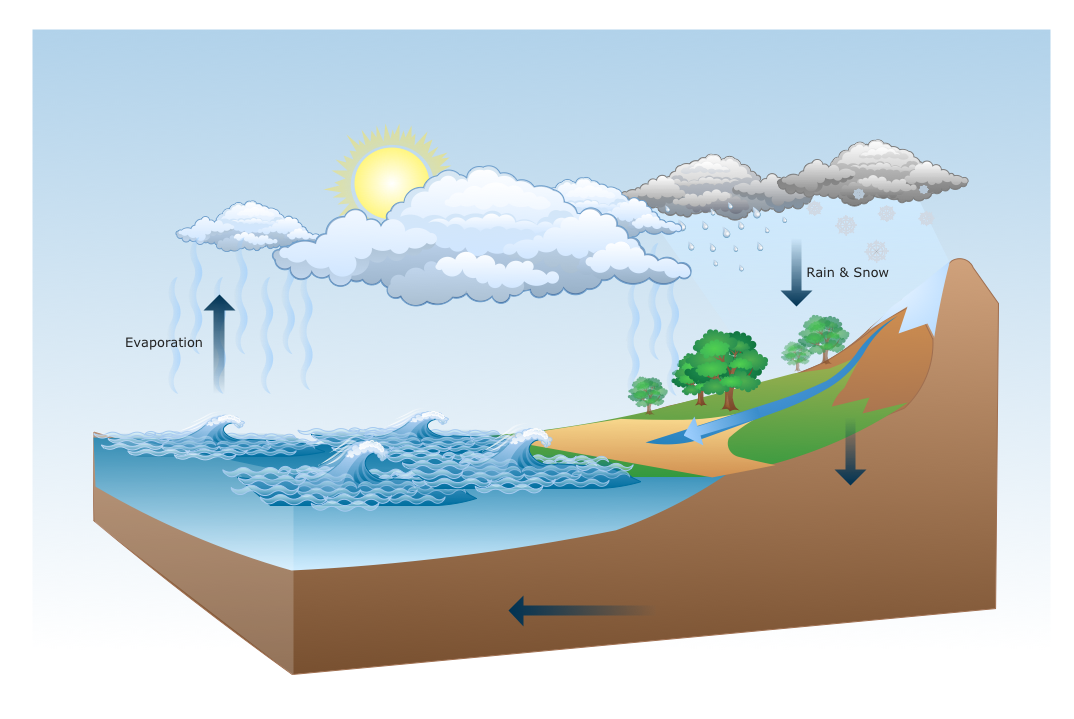
 Picture: Bubble ChartsRelated Solution:ConceptDraw DIAGRAM is a drawings software for creating Nature scenes. Nature solution from ConceptDraw Solution Park expands this software with a new library that contains 17 vector objects and samples illustration files.
 Picture: Drawing a Nature SceneThe ConceptDraw vector stencils library Cisco LAN contains symbols for drawing the computer local area network diagrams.
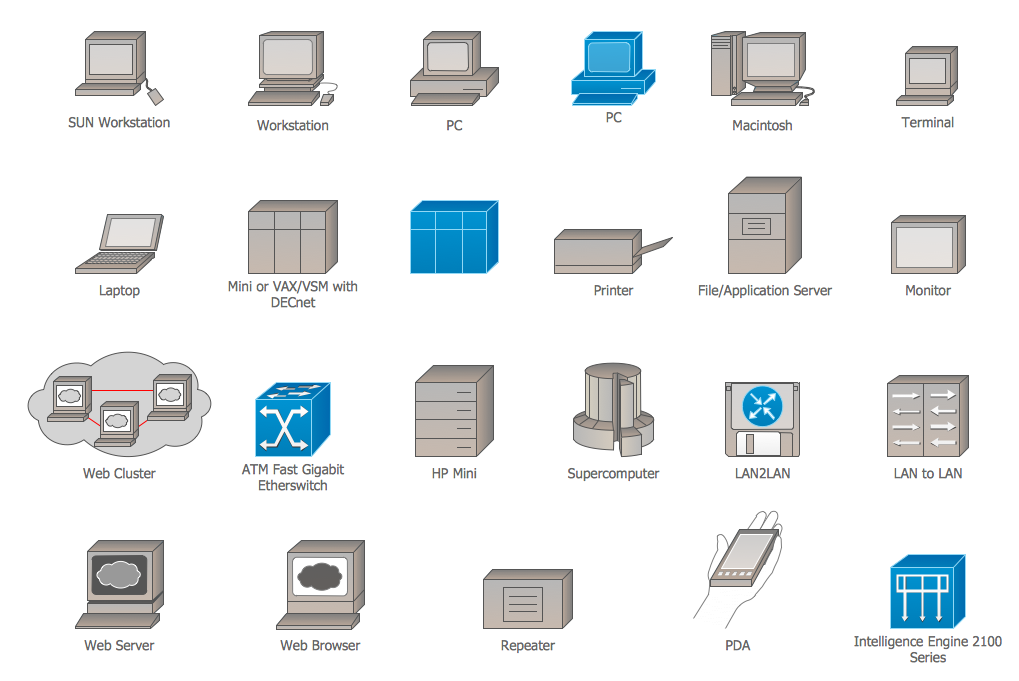 Picture: Cisco LAN. Cisco icons, shapes, stencils and symbolsRelated Solution:ConceptDraw DIAGRAM diagramming and vector drawing software is the best choice for making professional looking Emergency Plan template, examples and samples. ConceptDraw DIAGRAM provides Fire and Emergency Plans solution from the Building Plans Area of ConceptDraw Solution Park.
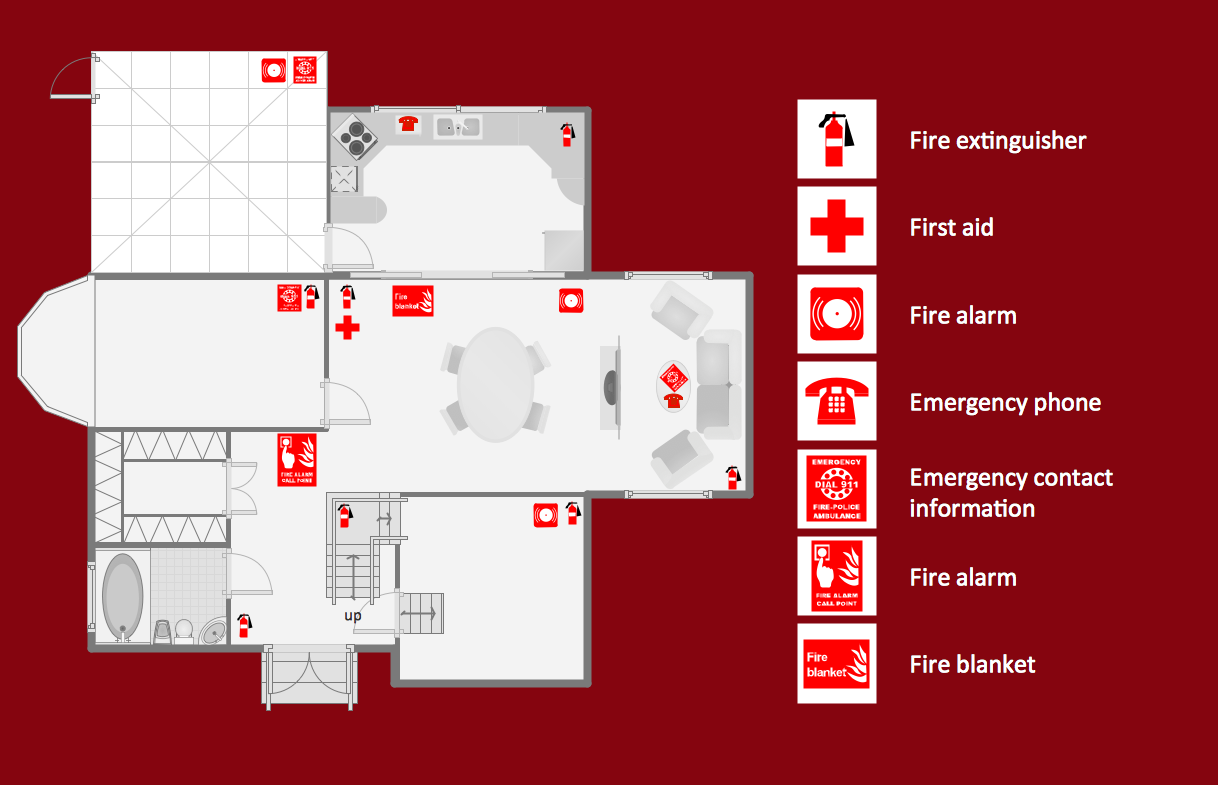 Picture: Emergency Plan TemplateRelated Solution:Draw your own business process flowcharts using ConceptDraw DIAGRAM diagramming and business graphics software. The Flowcharts Solution for ConceptDraw DIAGRAM is a comprehensive set of examples and samples in several different color themes for professionals that need to graphically represent a process.
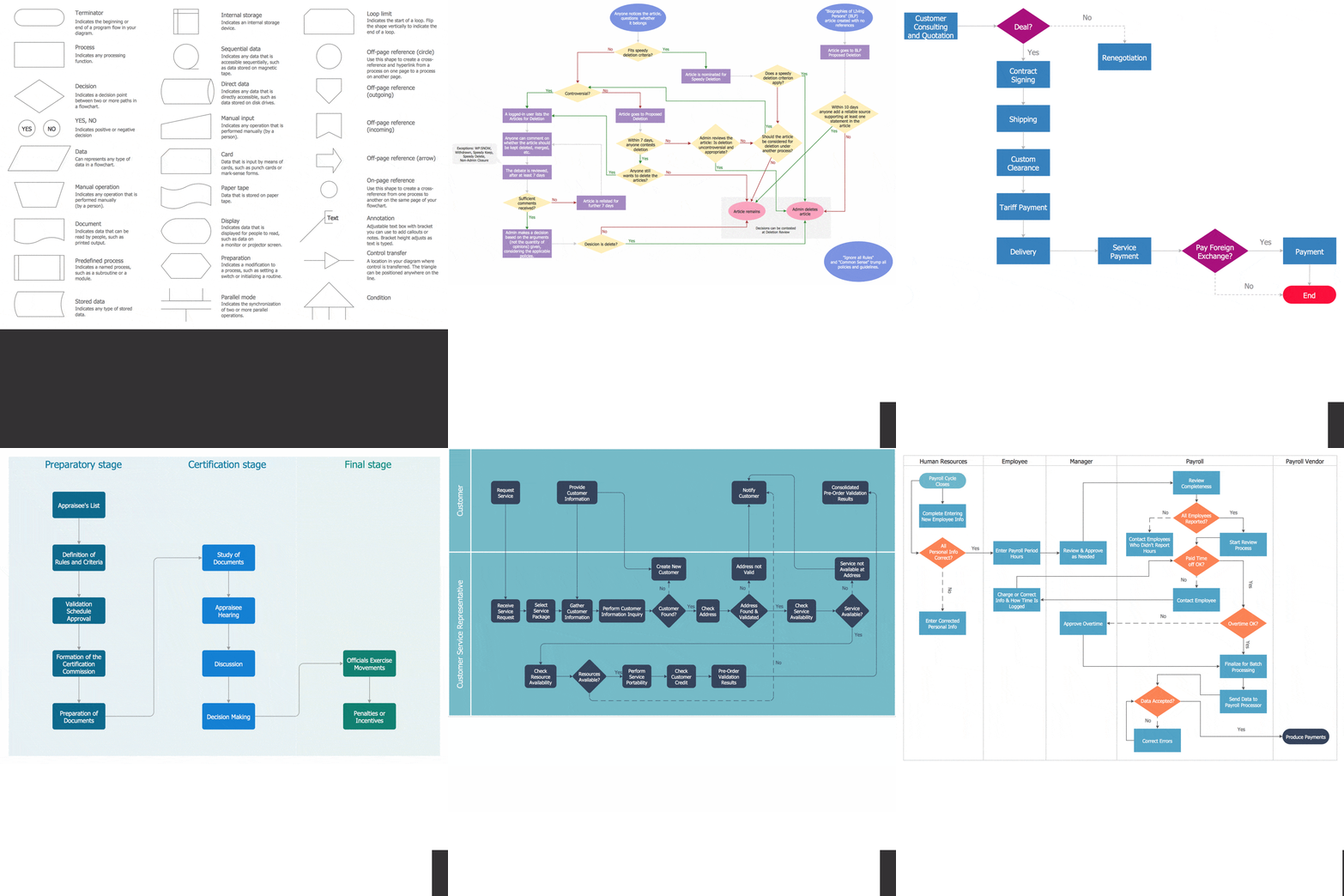 Picture: Flow Chart Diagram ExamplesRelated Solution:To draw SysML diagrams use the ConceptDraw DIAGRAM software extended with the Rapid UML solution from the Software Development area of ConceptDraw Solution Park.
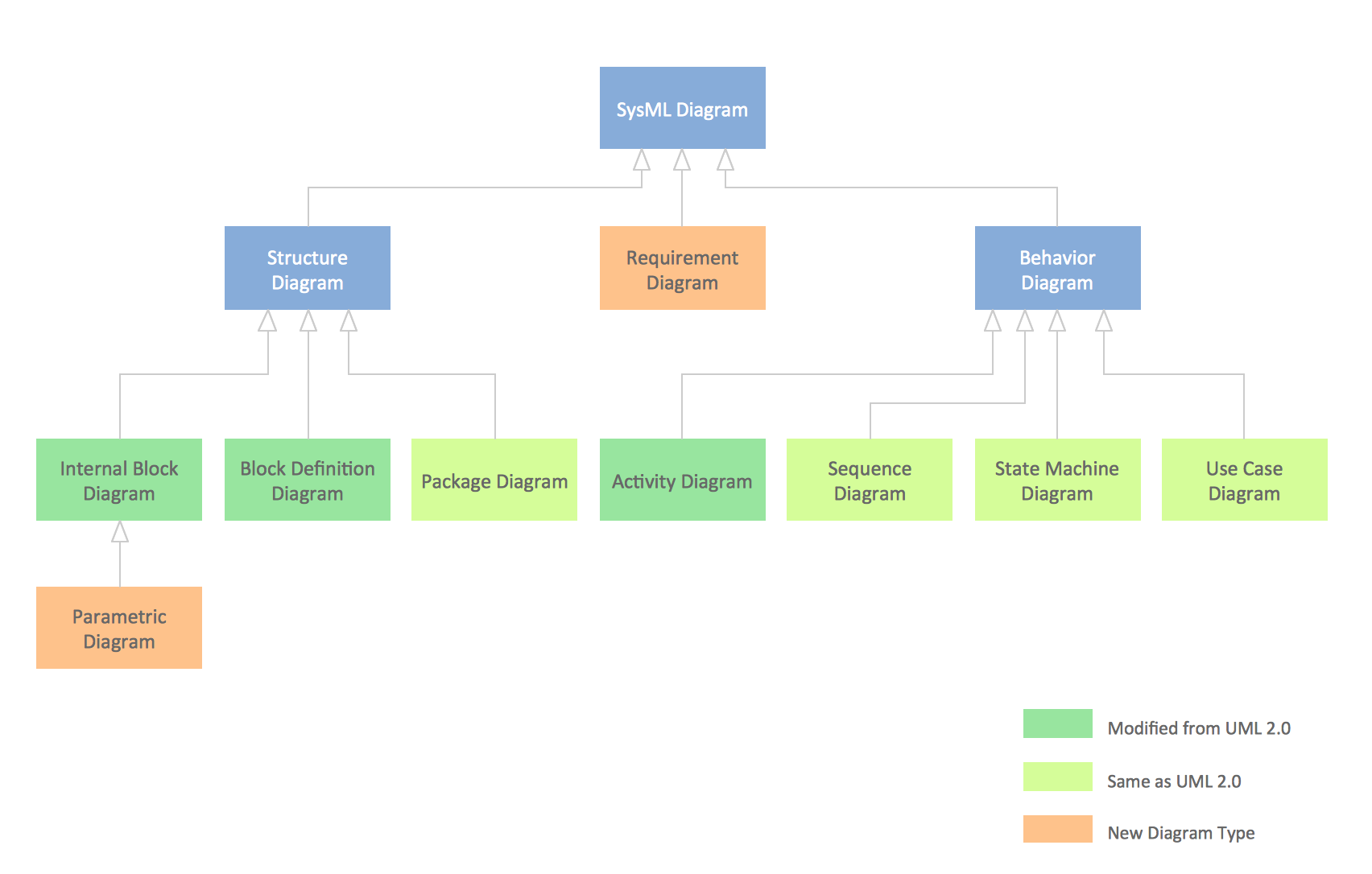 Picture: SysML DiagramRelated Solutions:ConceptDrawDIAGRAM 18



























