Kaizen Process Map
Kaizen is translated from Japanese as “continuous improvement”. It is one of the approaches to improve the organization's performance and a customer-oriented improvement strategy. Kaizen philosophy was first applied in a number of Japanese companies during the post-World War II recovery period. Since then, it spread around the world.
Kaizen is a philosophy and mindset encouraging improvements every day and everywhere. It is focused on small but constant changes and improvements in current work processes in order to improve all functions of a business. These improvements involve all levels in an organization, strive to make all processes more efficient. Over time this approach delivers significant results. The main purpose of Kaizen is production without losses. In addition, Kaizen implementation requires relatively small material costs.
Kaizen philosophy assumes the following: our life as a whole should be focused on continuous improvement of working methods, business processes in production, development, management, and personal efficiency. The application of Kaizen principles contributes to the development and achievement success in both professional and personal life. The sudden great changes often frighten people and cause a negative brain reaction and this can have adverse consequences. At the same time, small changes stimulate rational and creative thinking and development.
Kaizen methodology is based on the principles of personal discipline and self-improvement, customer focus, open recognition of problems, teamwork, improved morale. The formation of supportive relationships, awareness of the significance of each employee, and transfer of a certain amount of authority to each one are also among the key principles. Kaizen is a methodology realized at the great involvement of employees and contributes to their permanent self-improvement. In fact, the involvement of employees in the project has an incredible impact on the success and progress of all business processes.
According to the goal, Kaizen's introduction is realized on different levels at the company: within a team, company-wide, or personally. The method also involves comparing the plan with the result and analyzing what is happening. It assumes detecting the causes when the problems occur and eliminating these causes. Kaizen comes from the simple fact — there is no enterprise without problems and helps to solve these problems. In fact, regardless of the current state, it is suggested the following truth: perfection is unattainable and there are always ways to improve processes more and more.
Kaizen methodology is also useful for visualization processes and documenting the business work from the top-down. Each organization is based on the business model with processes. And the better you understand these processes, their functions, and their influence on the system, the more effective your organization will develop. The visualization is one of the tools helpful in understanding the business processes of an organization, detecting problems, and improving processes.
Use the idea of Kaizen continuous improvement in your company, build and visualize the business processes effectively. Design Kaizen Process Map using the ConceptDraw DIAGRAM vector diagramming software and Classic Business Process Modeling solution fast and simply. These diagrams will be helpful to detect the waste in your company and further improve the business processes.
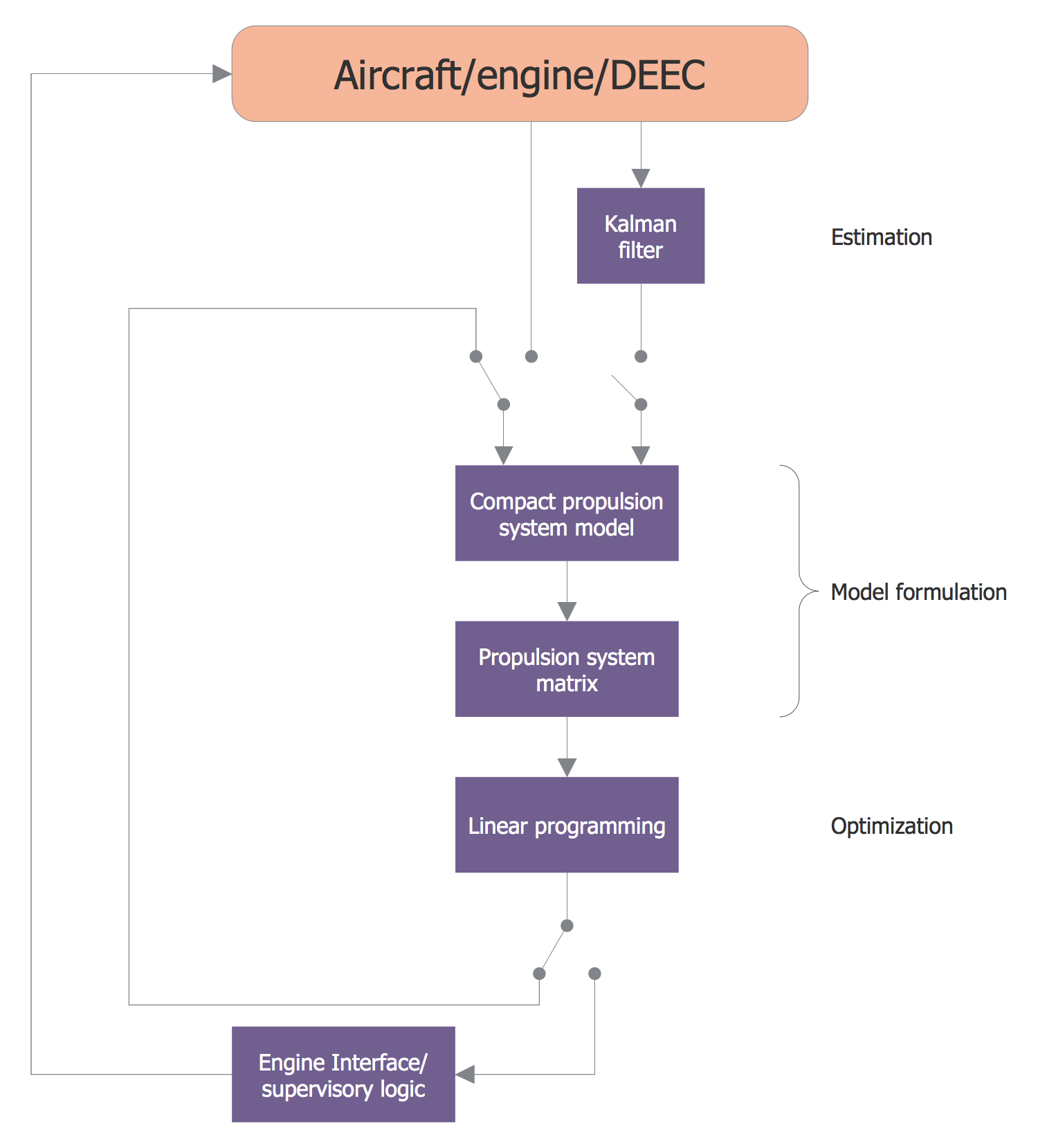
Example 1. Kaizen Process Map Design in ConceptDraw DIAGRAM
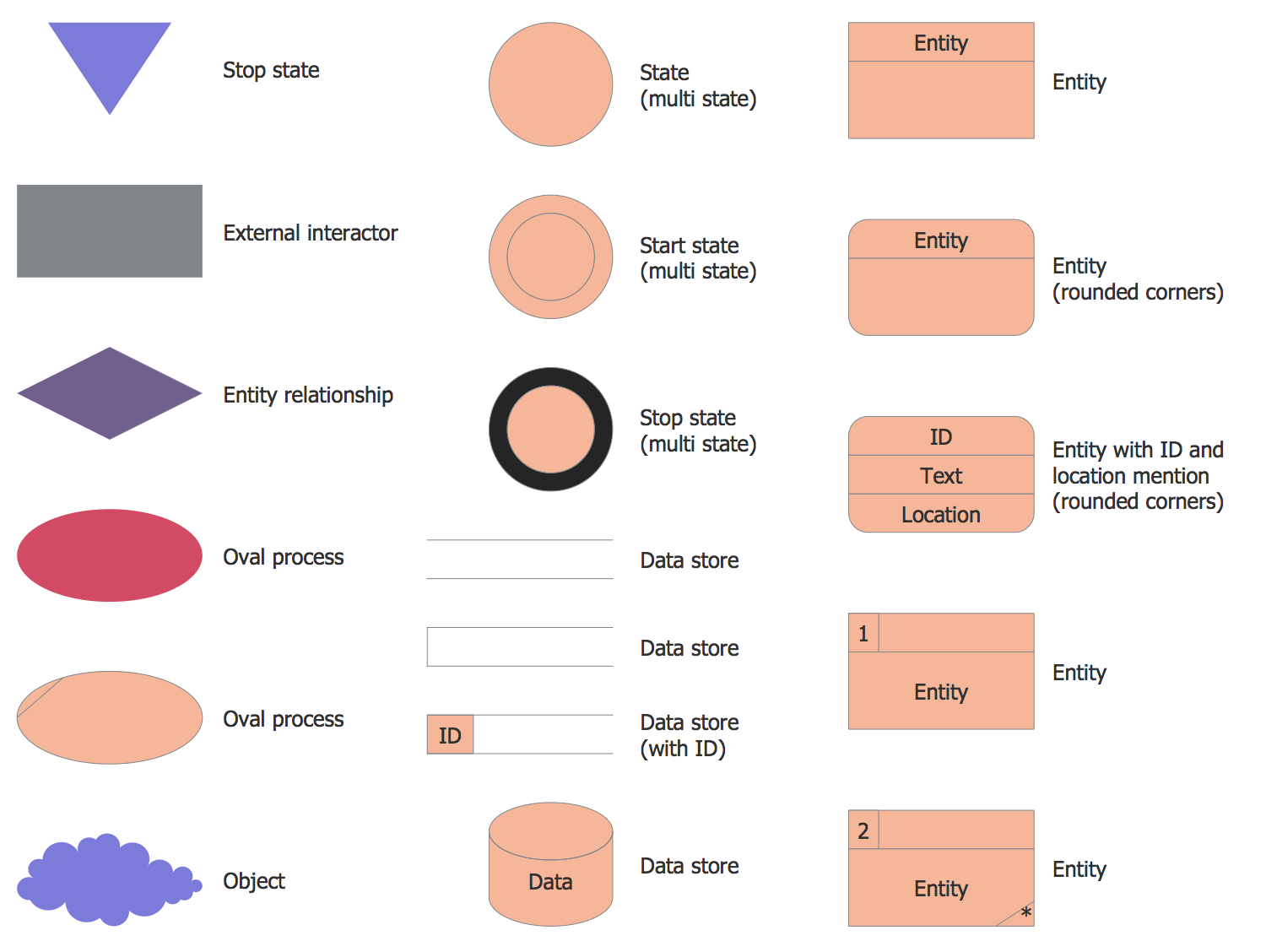
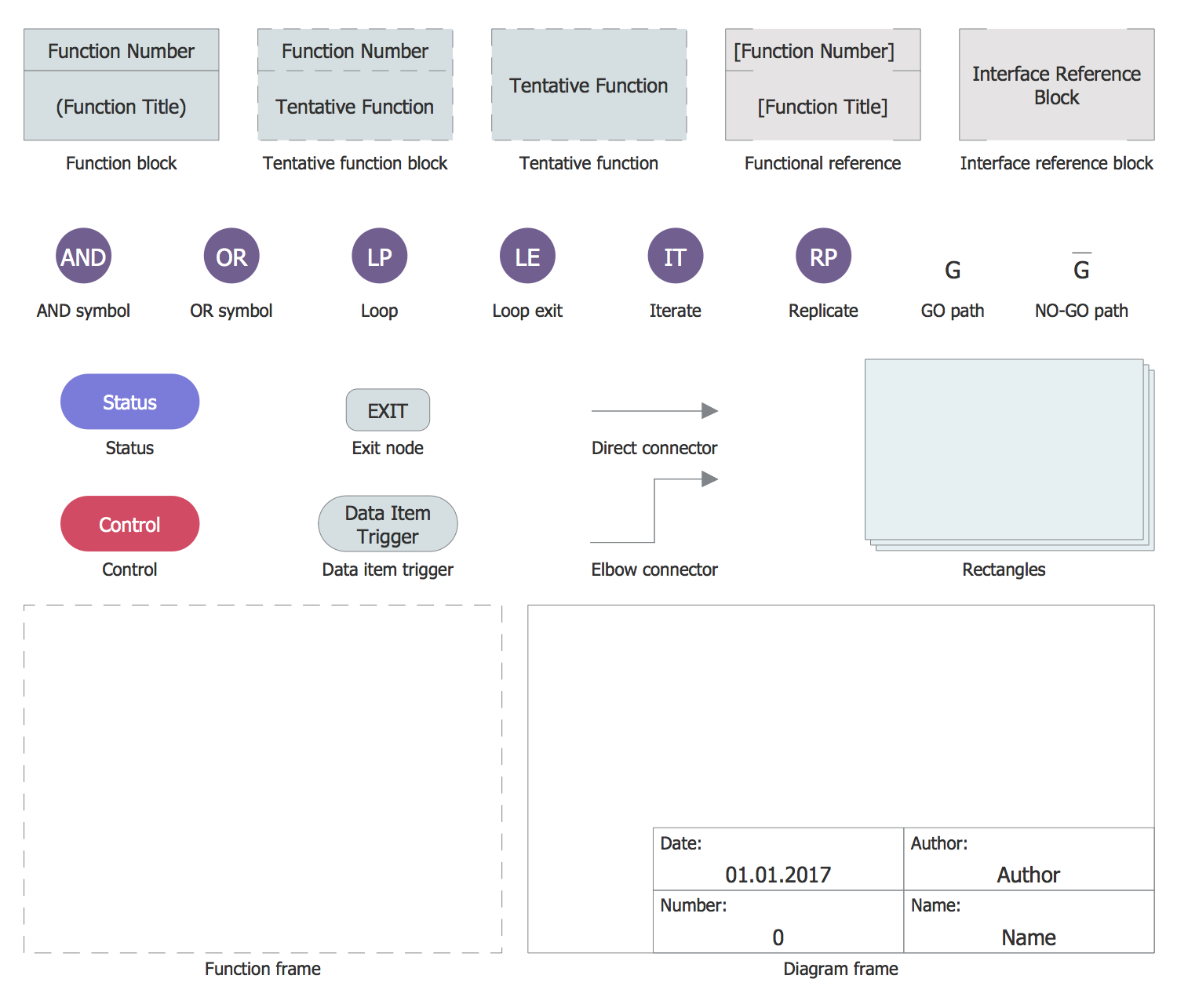
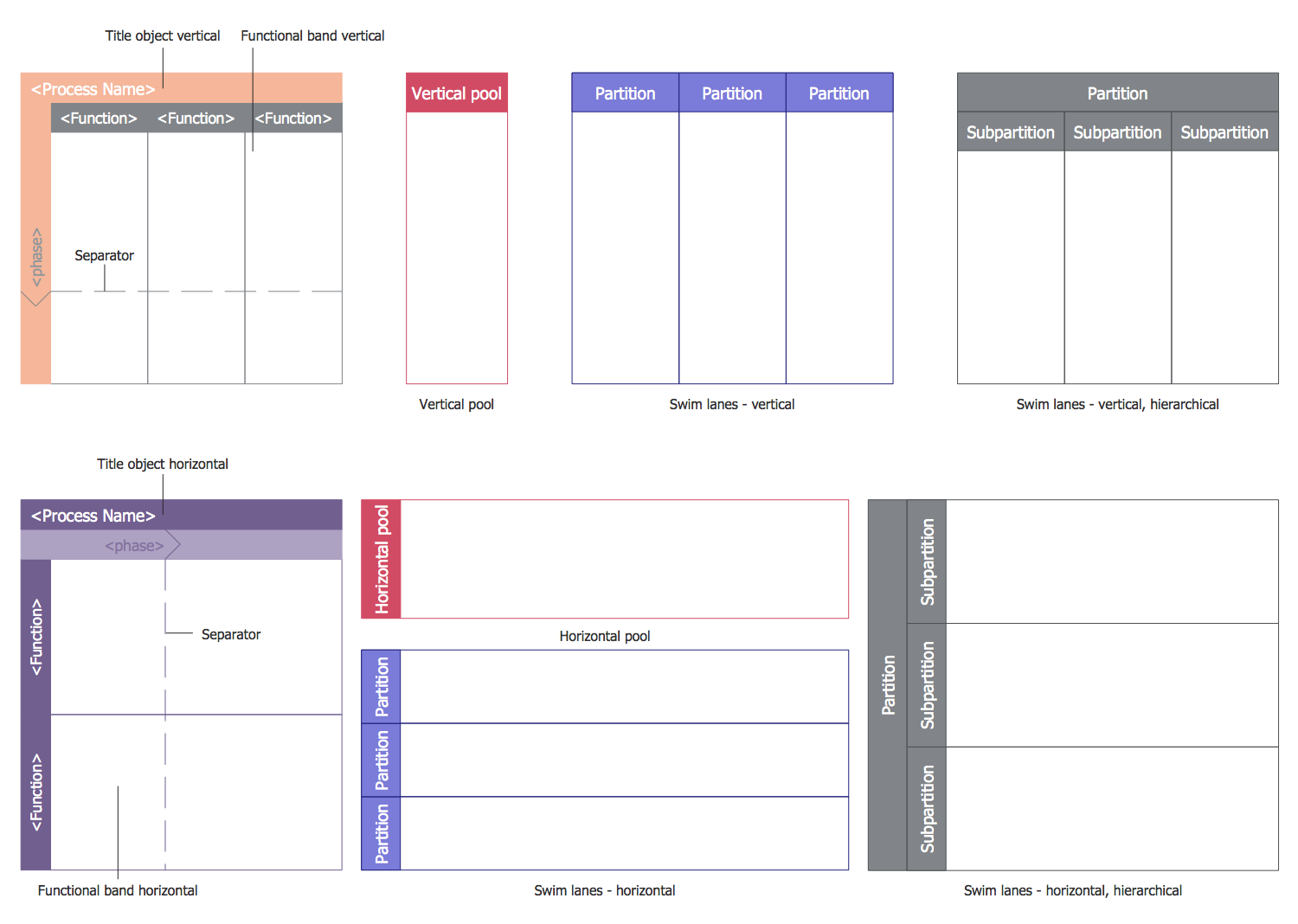
Classic Business Process Modeling solution includes a great number of ready-made vector objects and samples to easier the process of drawing the Business Process Models. Use design elements — Data Flow Diagram, Functional Flow Block Diagram, Control Flow Diagram, Flow Chart, Swimlane Diagram to illustrate the business processes of your company. Apply Kaizen methodology in order to optimize the processes and improve your business.
The sample you see on this page was created in ConceptDraw DIAGRAM software using the tools of Classic Business Process Modeling Solution. This sample was included in the Classic Business Process Modeling Solution and is available from ConceptDraw STORE. An experienced user spent 10 minutes creating this sample.
Use the Classic Business Process Modeling Solution for ConceptDraw DIAGRAM software to design your own Kaizen Process Maps fast, simply, and effectively.
All source documents are vector graphic documents. They are available for reviewing, modifying, or converting to a variety of formats (PDF file, MS PowerPoint, MS Visio, and many graphic formats) from the ConceptDraw STORE. The Classic Business Process Modeling Solution is available for all ConceptDraw DIAGRAM users.
NINE RELATED HOW TO's:
Program Structure Diagram is a visual representation of a program's organization, showing its components and their relationships.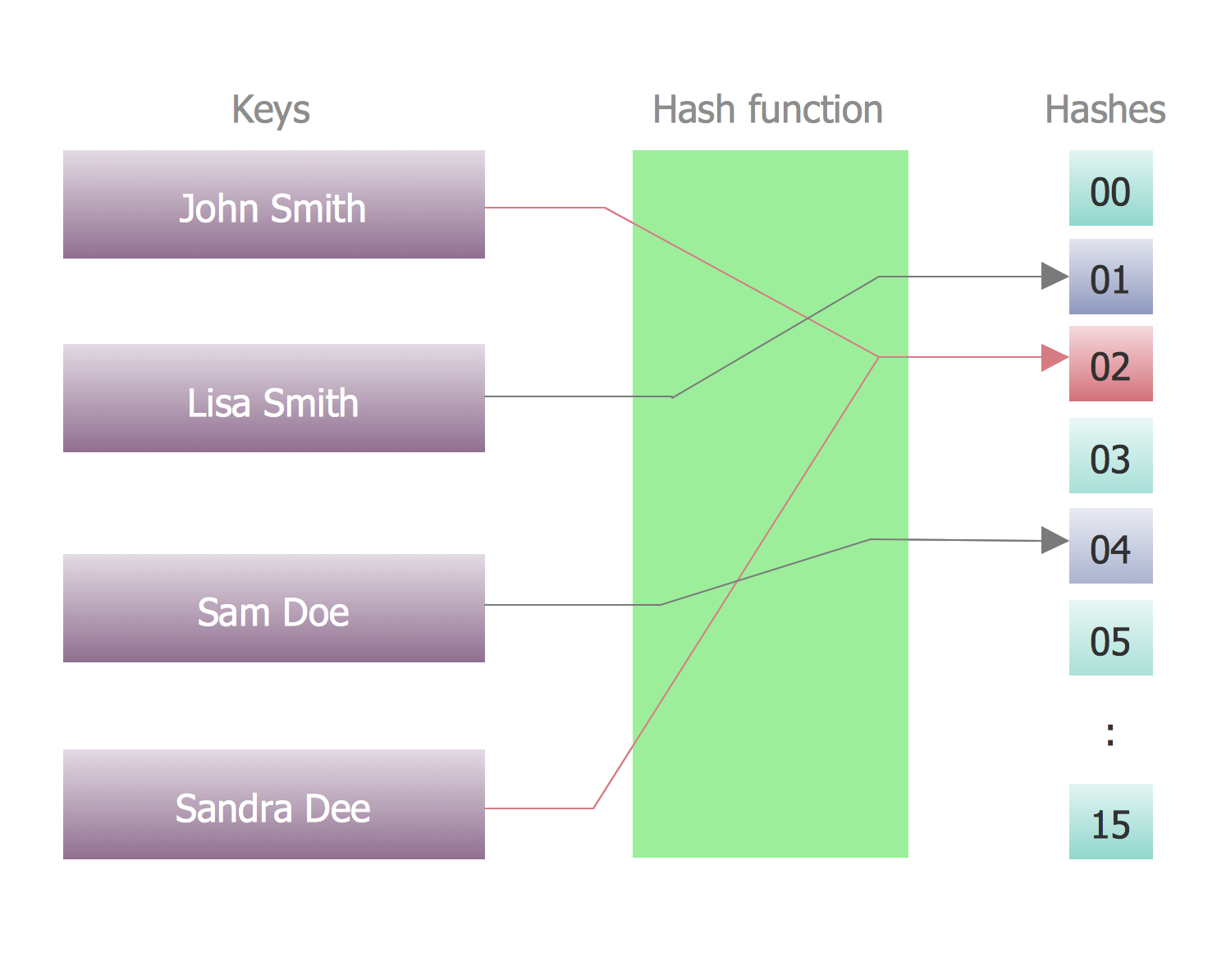
Picture: Program Structure Diagram
Desbloquee el lenguaje de los diagramas de flujo con nuestra guía de símbolos de diagramas de flujo. 🔸 Todo lo que necesita saber sobre los conceptos básicos del diagrama de flujo, desde ✔️ puntos de decisión hasta ✔️ pasos del proceso, explore el significado detrás de cada símbolo y domine el arte de crear representaciones visuales claras y efectivas de sus procesos.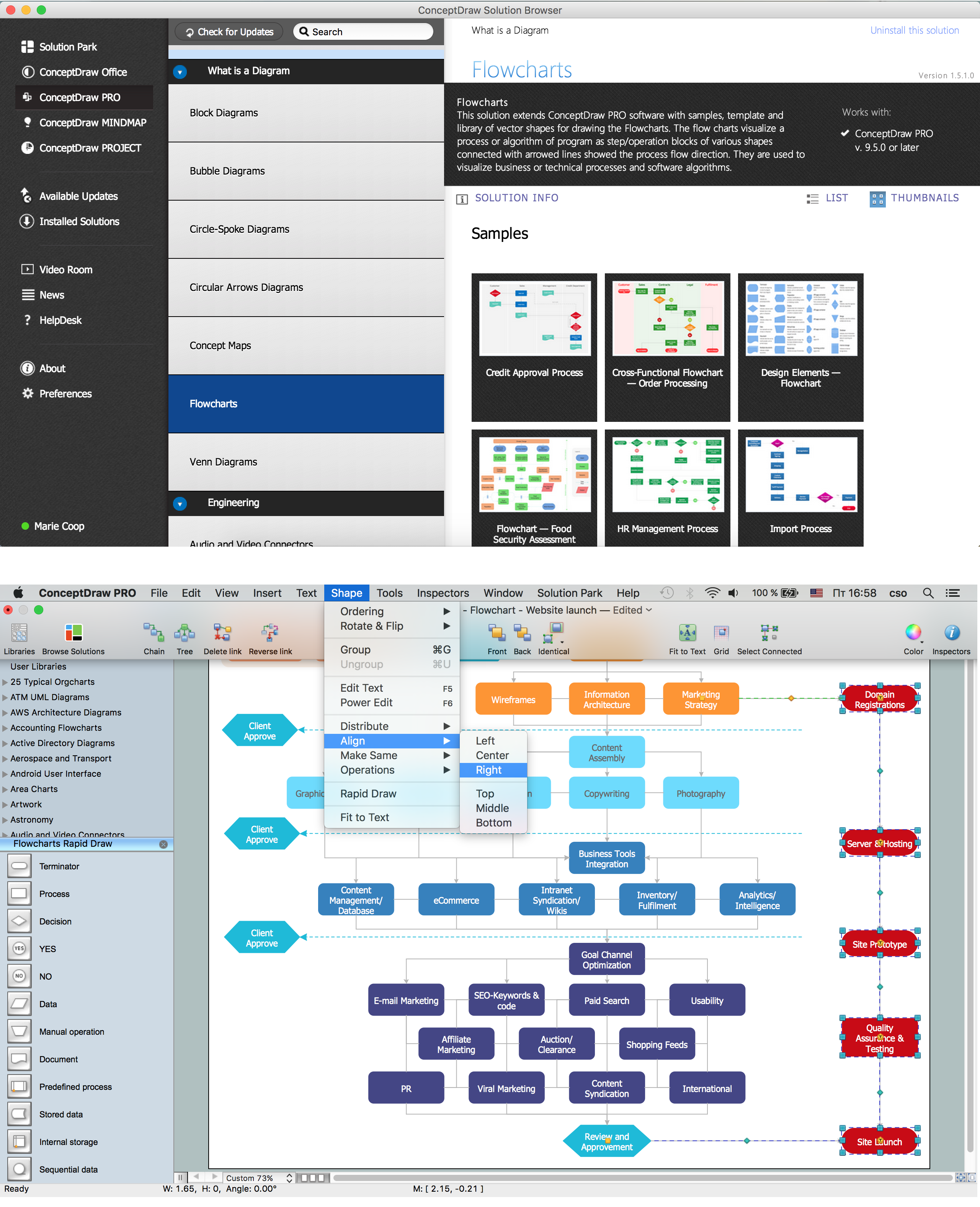
Picture: Symboles Organigramme
Related Solution:
The Accounting flowchart shows how information flows from source documents through the accounting records. The are based on the accounting procedures or processes.
Flowcharts are used to represent accounting information in a system. There are special symbols which are used to create accounting flowcharts. Try conceptdraw flowcharting set of symbols to draw a professional charts.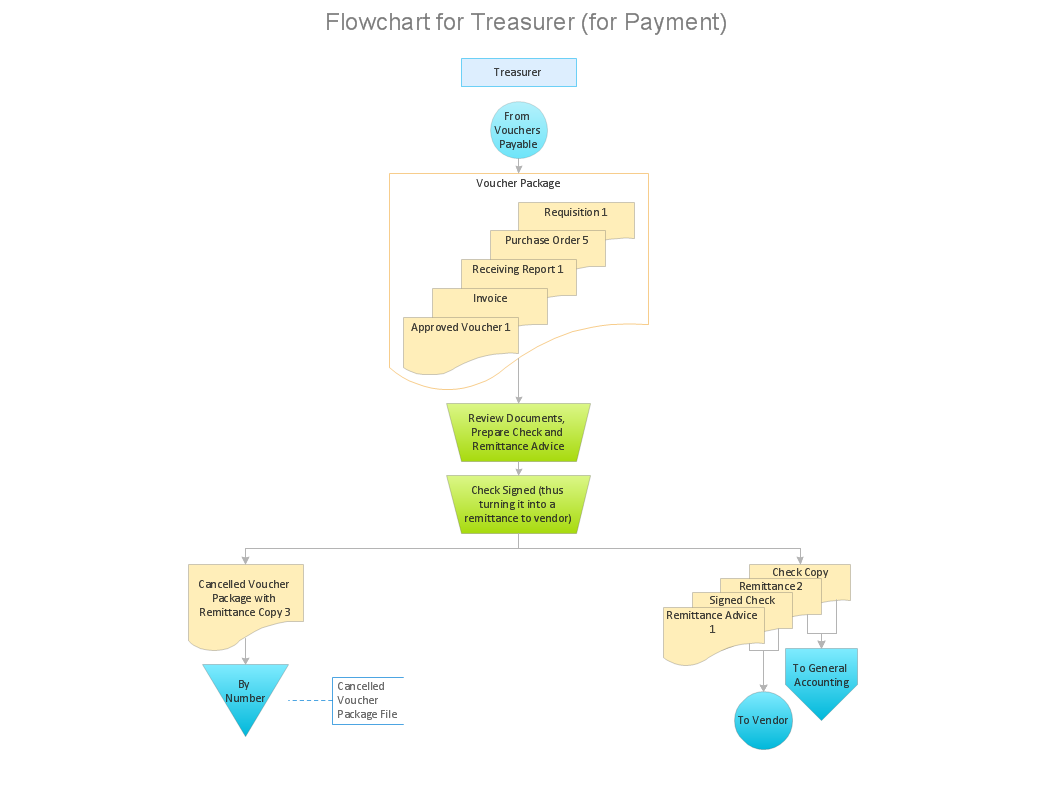
Picture: Why Flowchart Important to Accounting Information System?
Related Solution:
In ConceptDraw DIAGRAM it really is sp simple to draw even the most complex cross-functional flowcharts. Use the RapidDraw technology and Cross-Functional libraries in ConceptDraw DIAGRAM for the best results.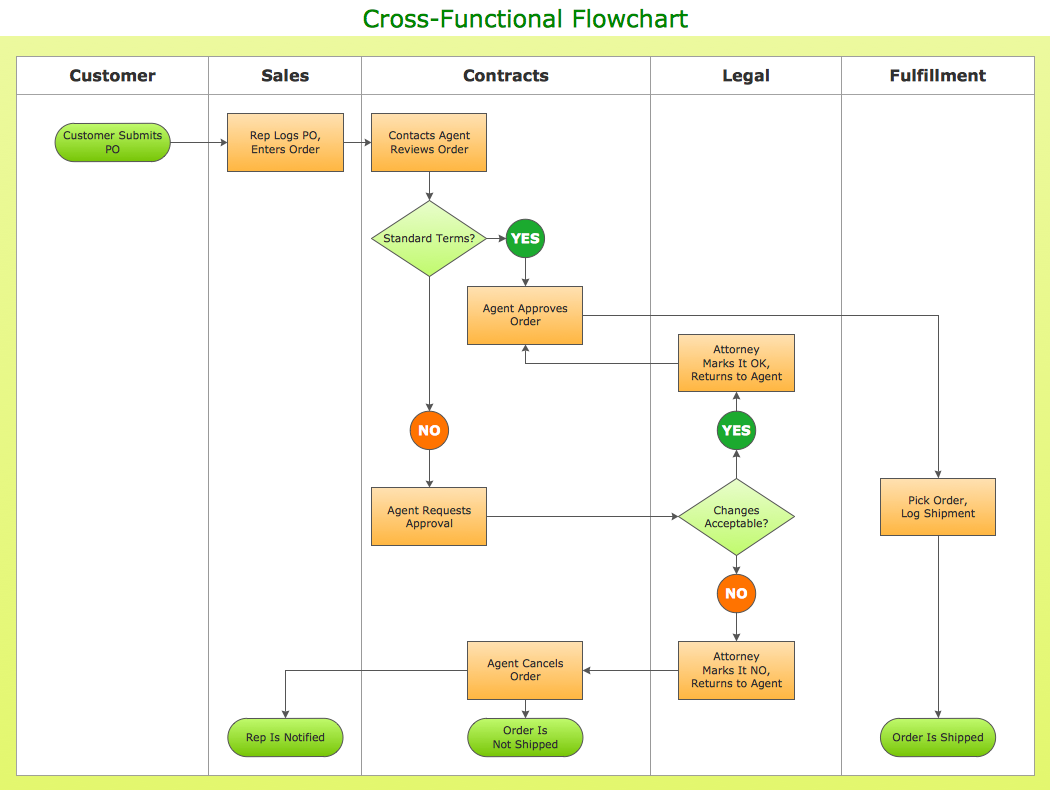
Picture: How to Simplify Flow Charting — Cross-functional Flowchart
Related Solution:
ConceptDraw DIAGRAM is a software for simplу depicting the business processes based on BPMN 2.0.
Business Process Diagrams Cross-Functional-Flowcharts, Workflows, Process Charts, IDEF0 and IDEF2, Timeline, Calendars, Gantt Charts, Business Process Modeling, Audit and Opportunity Flowcharts and Mind Maps (presentations, meeting agendas).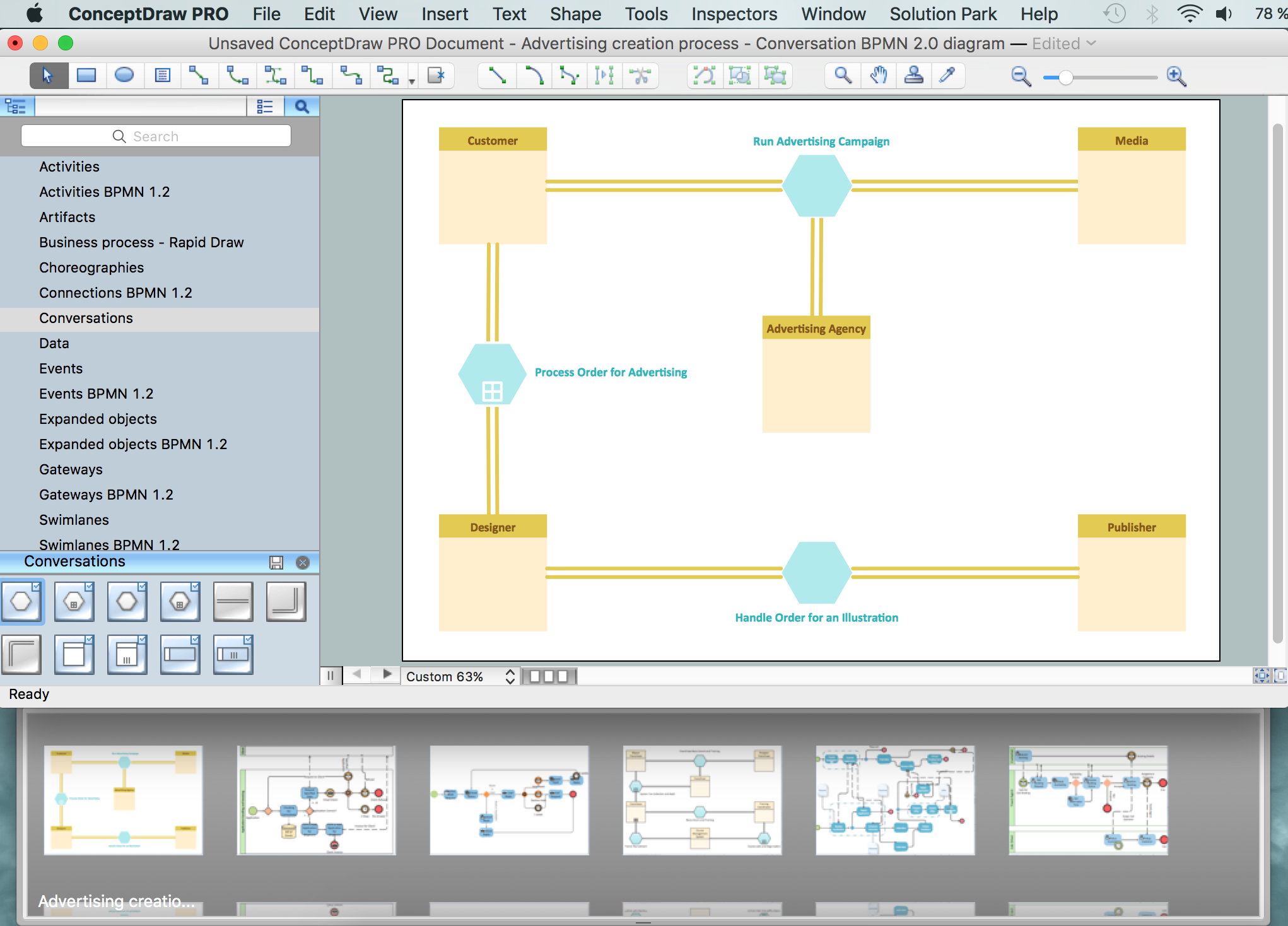
Picture: Business Process Modeling Notation
Related Solution:
Electronic components have two or more electrical terminals (or leads) aside from antennas which may only have one terminal. These leads connect to create an electronic circuit with a particular function (for example an amplifier, radio receiver, or oscillator). Basic electronic components may be packaged discretely, as arrays or networks of like components, or integrated inside of packages such as semiconductor integrated circuits, hybrid integrated circuits, or thick film devices.
26 libraries of the Electrical Engineering Solution of ConceptDraw DIAGRAM make your electrical diagramming simple, efficient, and effective. You can simply and quickly drop the ready-to-use objects from libraries into your document to create the electrical diagram.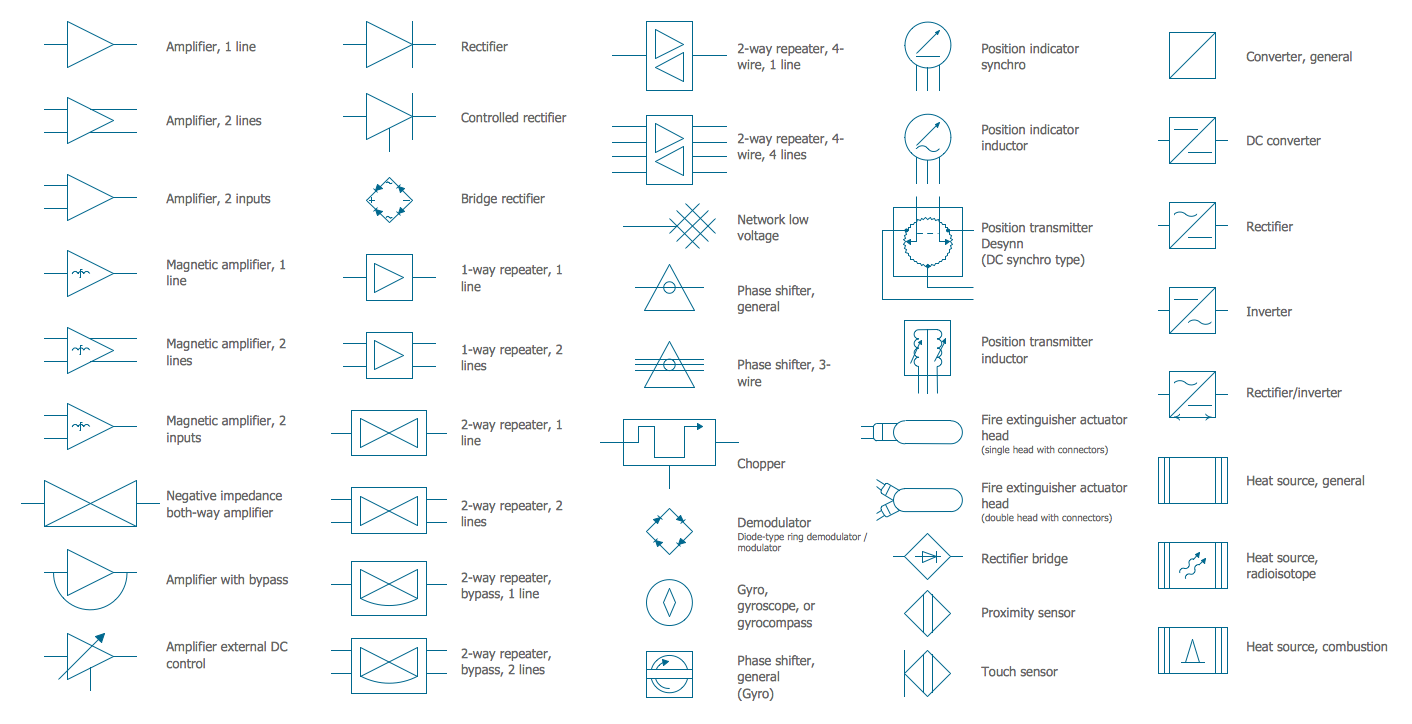
Picture: Electrical Symbols — Composite Assemblies
Related Solution:
There are many tools to manage a process or to illustrate an algorithm or a workflow. Flowcharting is one of those tools. However, it may be difficult to show complex processes that require multiple attributes or several people in a simple flowchart, so a cross-functional flowchart would be a solution for that situation. To create such flowchart, group processes and steps to labeled rows or columns, and divide those groups with horizontal or vertical parallel lines. It is worth mentioning that there are different types of cross-functional flowcharts, like opportunity or deployment flowchart.
This diagram shows a cross-functional flowchart that was made for a trading process. It contains 14 processes, distributed through 5 lines depicting the participants who interact with the process. Also there are connectors that show the data flow of information between processes. The cross-functional flowchart displays a detailed model of the trading process, as well as all participants in the process and how they interact with each other. The lines in the flowchart indicates the position, department and role of the trading process participants.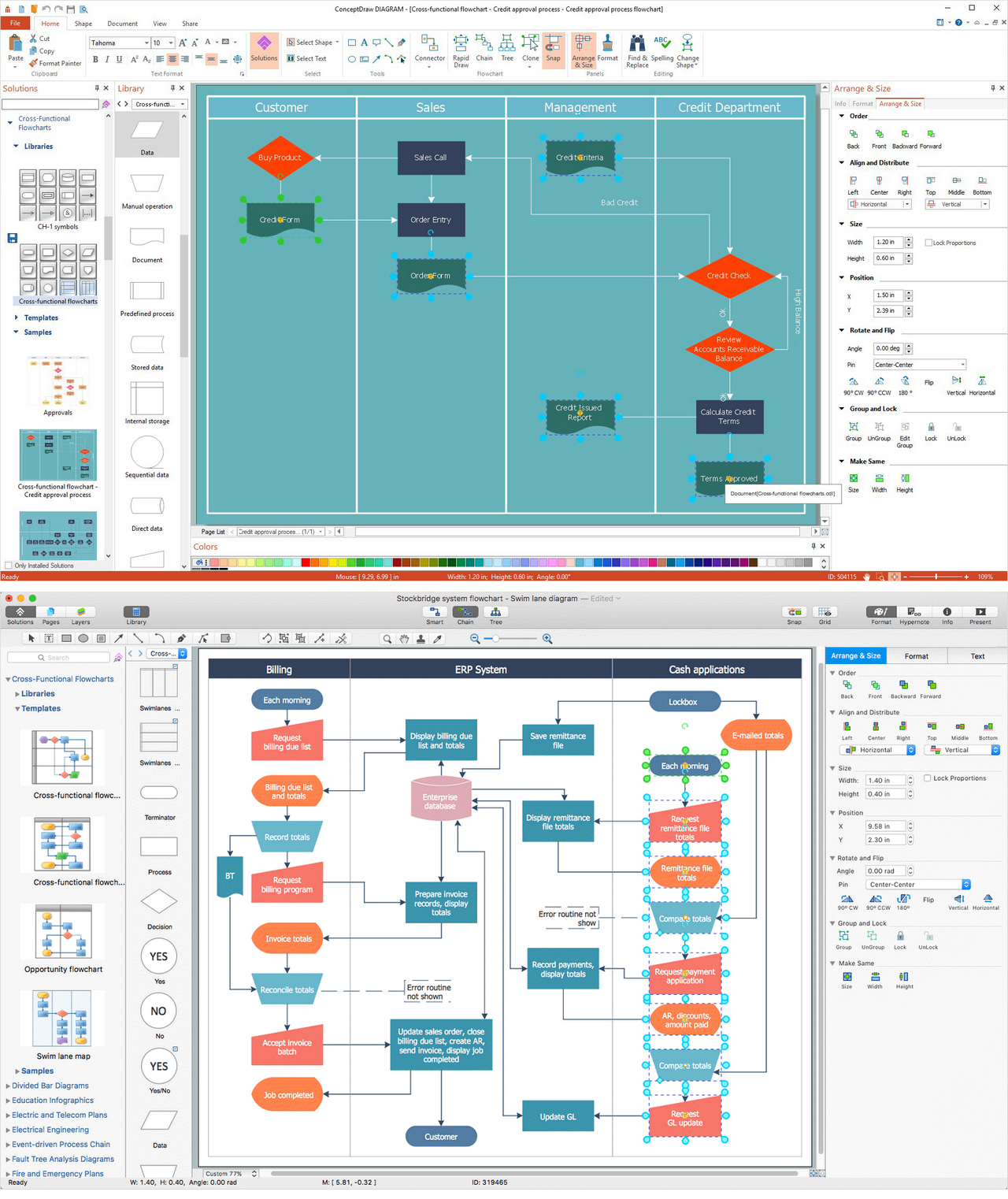
Picture: Cross-Functional Flowchart
Related Solution:
When talking about engineering, one should define all the terms used, so anybody could understand the topic. Typical network glossary contains definitions of numerous network appliances, types of networks and cable systems. The understanding of basic is crucial for server management, network administration and investigating problems.
The network glossary defines terms related to networking and communications. The most of glossary items has their visual representation in ConceptDraw DIAGRAM libraries of the Computer Network Diagrams solution. This illustration presents a local area network (LAN) diagram. It designed to show the way the interaction of network devices in a local network. The diagram uses a library containing symbols of network equipment, connections and the end-point devices such as network printer, hubs, server, modem and finally computers (PC, mac, laptop). This diagram depicts a physical LAN topology.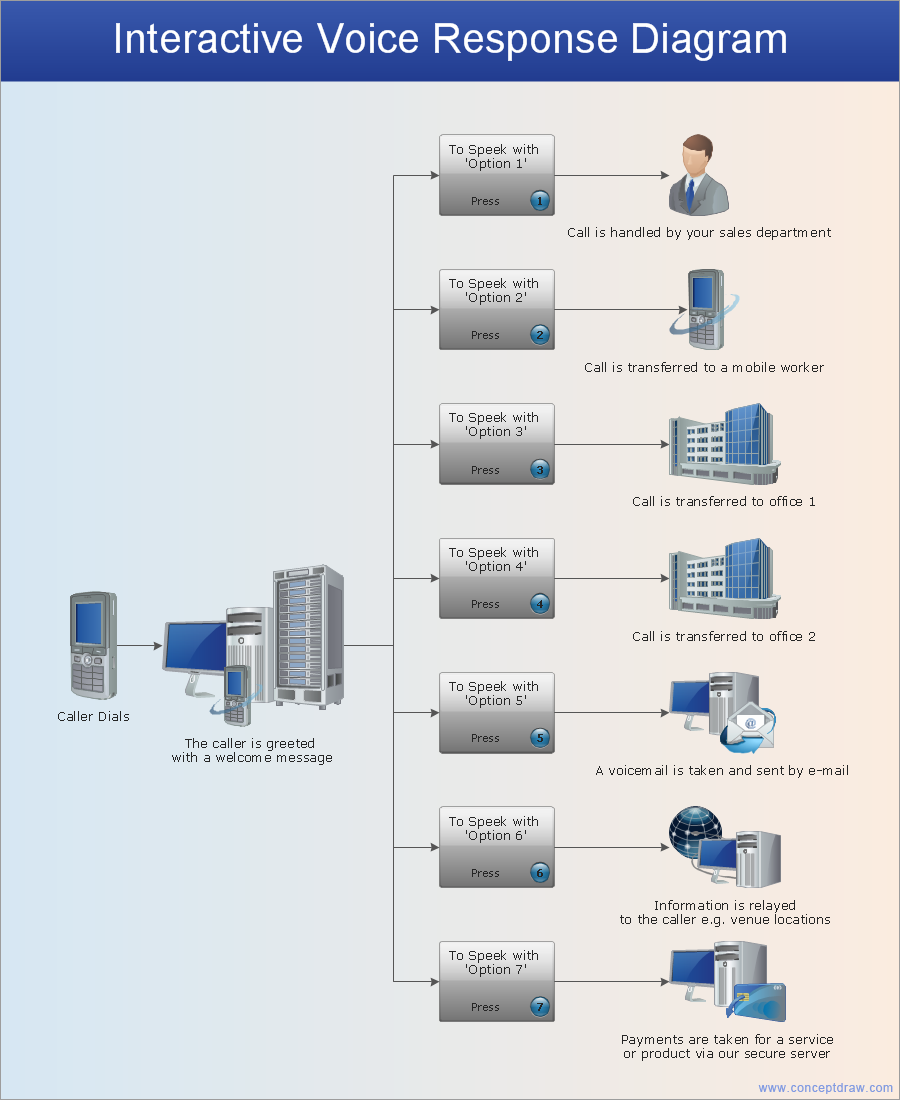
Picture: Network Glossary Definition
Related Solution:
It’s very important for any establishment to have a fire exit plan and to train it several times a year. The plan must be put on each floor of the building in a way that it could be easily seen. To make the plan clear and descriptive, you should look through examples and then create one for you your building.
Find out the fire exit plan example created with ConceptDraw DIAGRAM and its Fire and Emergency Plans solution. This plan is a floor plan that shows the ways in which people inside the building can be evacuated in the event of a fire. The location of telephones, fire extinguishers and first aid kits are indicated on the fire exit plan. The Legend in the lower right corner of the plan makes it clear and easy-to-read. Such plan should be placed on the wall on each floor of the building.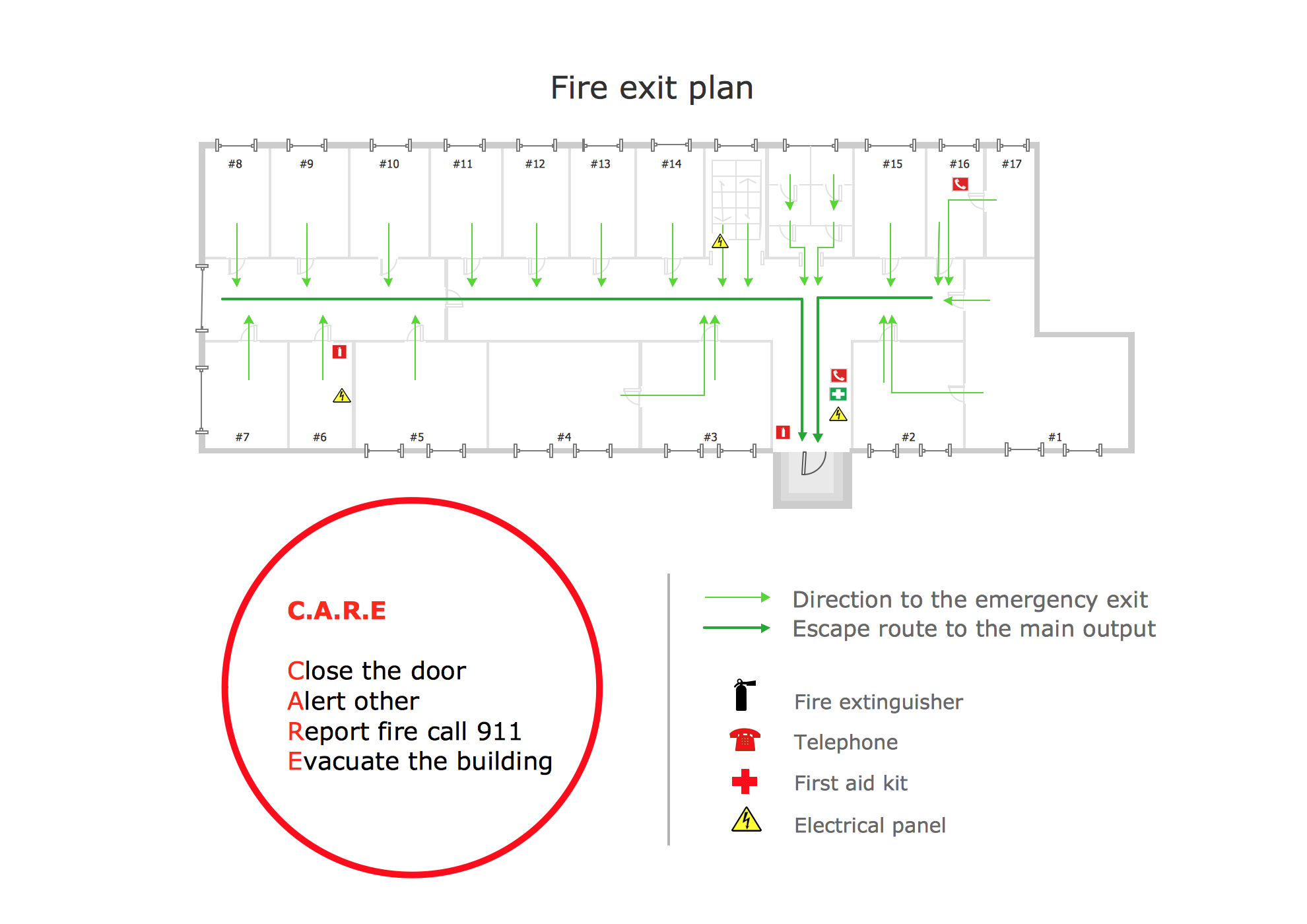
Picture: Fire Exit Plan. Building Plan Examples
Related Solution: