In the process of conducting business, sometimes words alone do not have the ability to describe a situation, state, or process with enough accuracy to guarantee successful communication to stakeholders, team members, and other assorted individuals. To convey a faultless understanding to others it is often necessary to include graphics and diagrams to support the meaning conveyed. The combination of words and graphics associated with the text is a powerful cohesive means of communication that removes participant doubt and improves clarity. The end result is to accelerate business. Business today is conducted at an incredible rate. The speed of business has increased for organizations of every size and for all participants.
| List |
ConceptDraw DIAGRAM |
Omnigraffle Professional |
MS Visio Professional |
| Features |
| Last version to sale |
12 |
7 |
2016 |
| OS |
Win/macOS |
macOS/iOS |
Win |
| General Features |
| Multi-page Documents |
+ |
|
+ |
| Presentation mode |
+ |
+ |
+ |
| Sample diagrams supplied with program |
+ |
+ |
+ |
| Smart Connectors |
+ |
+ |
+ |
| Spline tool |
+ |
+ |
|
| Shape Sheet |
+ |
|
+ |
| Dropper tool |
+ |
|
|
| Locking various object properties from changing |
+ |
+ |
| Ability to edit a group (set text, fill, set line properties and etc.) |
+ |
+ |
+ |
| Library navigator window |
+ |
|
+ |
| Find objects in libraries |
+ |
|
+ |
| Set of predefined units of measurement |
+ |
+ |
+ |
| Alpha Channel support (opacity/transparency) |
+ |
+ |
+ |
| Built-in scripting language |
+ |
|
+ |
| Extend application possibilities with plug-ins |
+ |
|
+ |
| Extended hyperlinks |
+ |
+ |
+ |
| Background pages support |
+ |
|
+ |
| Texture fill |
+ |
+ |
|
| Layers |
+ |
+ |
+ |
| Guide Lines |
+ |
+ |
+ |
| Corner Rounding |
+ |
+ |
+ |
| Customizable tools |
| Ability to create objects with userdefined behavior |
+ |
|
+ |
| Userdefined actions with objects |
+ |
+ |
+ |
| Supports Custom (or user-defined) Properties for shapes |
+ |
|
+ |
| Integration and sharing |
| Import Visio 2013 VSDX |
+ |
+ |
+ |
| Export to Visio 2013 VSDX |
+ |
|
+ |
| Import Visio 2013 stencils VSSX |
+ |
|
+ |
| Import PowerPoint documents |
+ |
|
|
| Export to PowerPoint documents |
+ |
|
|
| Export to EPS |
+ |
+ |
|
| Export to PDF |
+ |
+ |
|
| Import PDF |
+ |
|
|
| Supports own XML format |
+ |
|
+ |
| Export to HTML |
+ |
+ |
|
| Export to SVG |
+ |
+ |
+ |
| Integration with mind mapping tool |
+ |
|
|
| Integration with Project Management tool |
+ |
+ |
|
| Libraries |
| OS X interface libraries |
+ |
|
|
| Ribbon interface library |
+ |
|
|
| Building, space, and floor plans |
+ |
+ |
+ |
| Directory services diagrams |
+ |
|
+ |
| Engineering diagrams—electrical, chemical, and more |
+ |
|
+ |
| Logical network diagrams |
+ |
|
+ |
| Network rack diagrams |
+ |
|
+ |
| Software diagramming |
+ |
|
+ |
| Value stream maps |
+ |
|
+ |
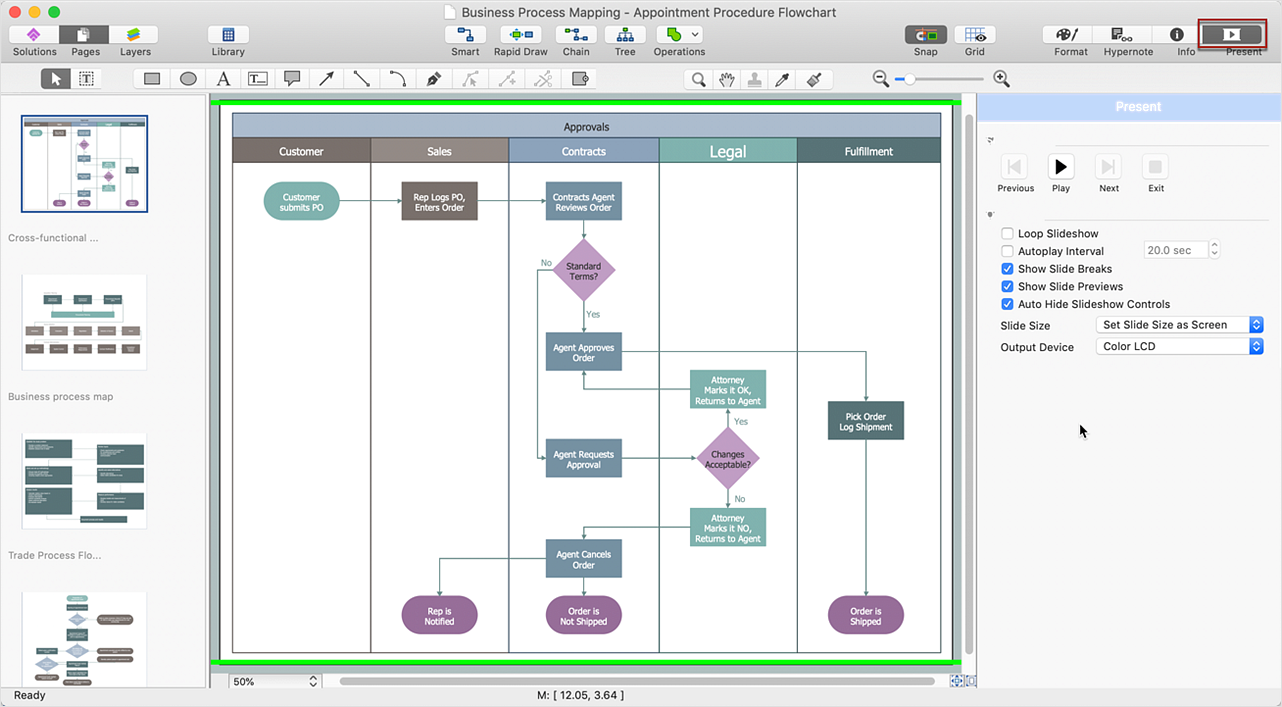
Pic. 2. Dynamic Presentations
With Dynamic presentations, you can display your presentation on a secondary monitor or projector, while your main monitor is left open for you to make edits as you move through the presentation. This allows you the unique ability to collaborate with team members in a meeting setting or quickly respond to feedback from your audience.
Any diagram or drawing you make in ConceptDraw DIAGRAM can be a dynamic presentation — everything from flowcharts and block diagrams to network diagrams and wiring schematics.
All source documents are vector graphic documents. They are available for reviewing, modifying, or converting to a variety of formats (PDF file, MS PowerPoint, MS Visio, and many other graphic formats).
See also Samples:
TEN RELATED HOW TO's:
Unfortunately, a man can’t predict the future and no one is safe from natural disasters, such as floods, earthquakes, hurricanes or fires. Nonetheless, what you can do to ensure safety for you and your relatives is to create an emergency plan, so everyone will know what to do if emergency happens. Keep that plan simple and train it several times a year so that no one could forget any details of it.
Fire and emergency plans are important to supply people with a visual safety solution. This diagram presents a set of standard symbols used to depict fire safety, emergency, and associated information. Using clear and standard symbols on fire emergency plans provides the coherence of collective actions , helps to avoid embarrassment, and improves communications in an emergent situation. The fire emergency symbols are intended for the general emergency and fire service, as well as for building plans ,engineering drawings and insurance diagrams. They can be used during fire extinguishing and evacuation operations, as well as trainings. It includes vector symbols for emergency management mapping, emergency evacuation diagrams and plans.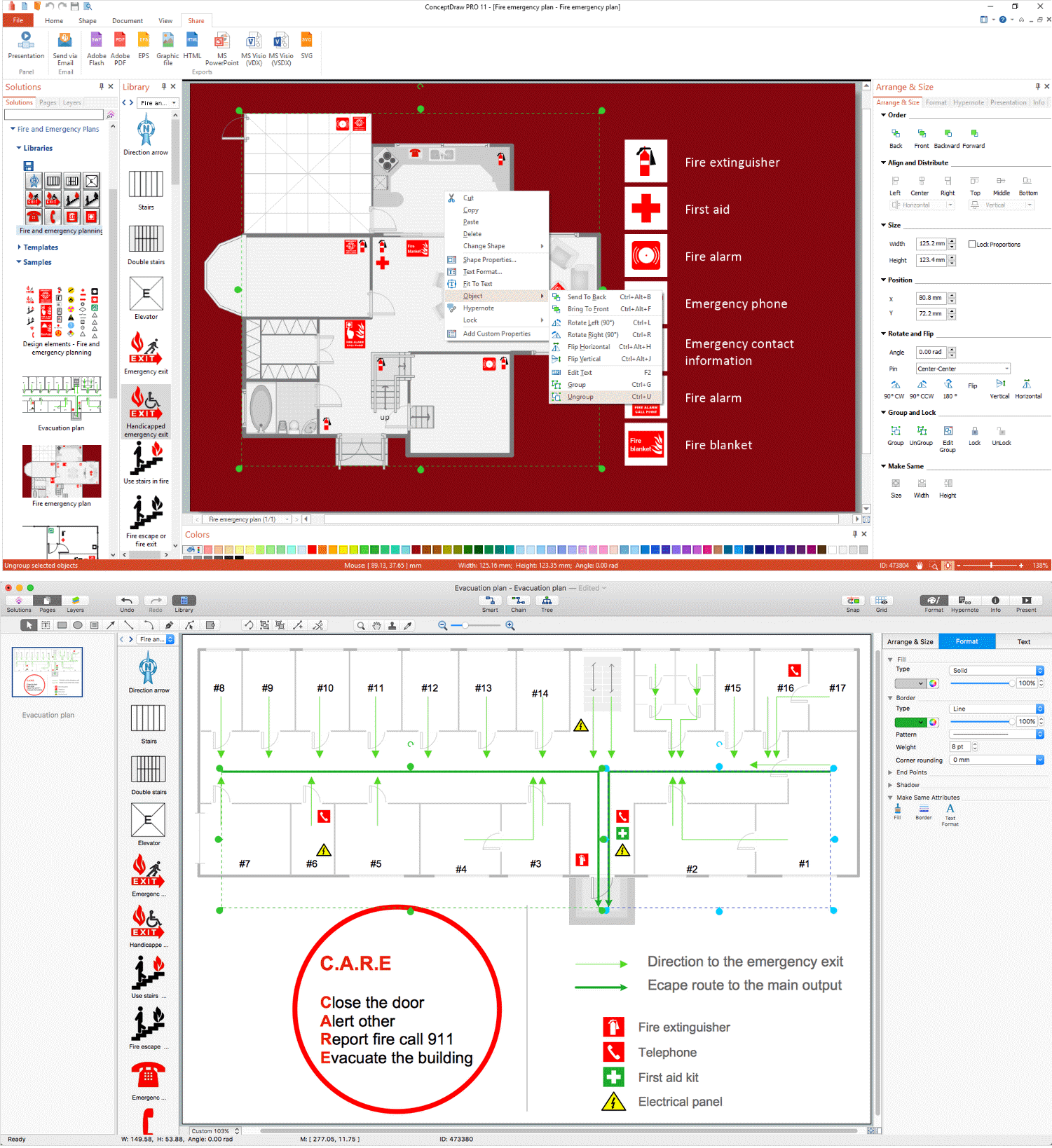
Picture: Emergency Plan
Related Solution:
Subway infographic design elements of MetroMap and ConceptDraw software tools.
Picture: Subway infographic design elements - software tools
Related Solution:
When creating ER diagrams, you can apply different color ER diagram styles and also notation styles. ConceptDraw DIAGRAM enhanced with Entity-Relationship Diagram (ERD) Solution gives the ability to draw visual and attractive ER Diagrams using the style icons from Crow’s Foot notation and Chen's notation professionally designed and offered by ERD Chen's Notation and ERD Crow’s Foot Notation libraries.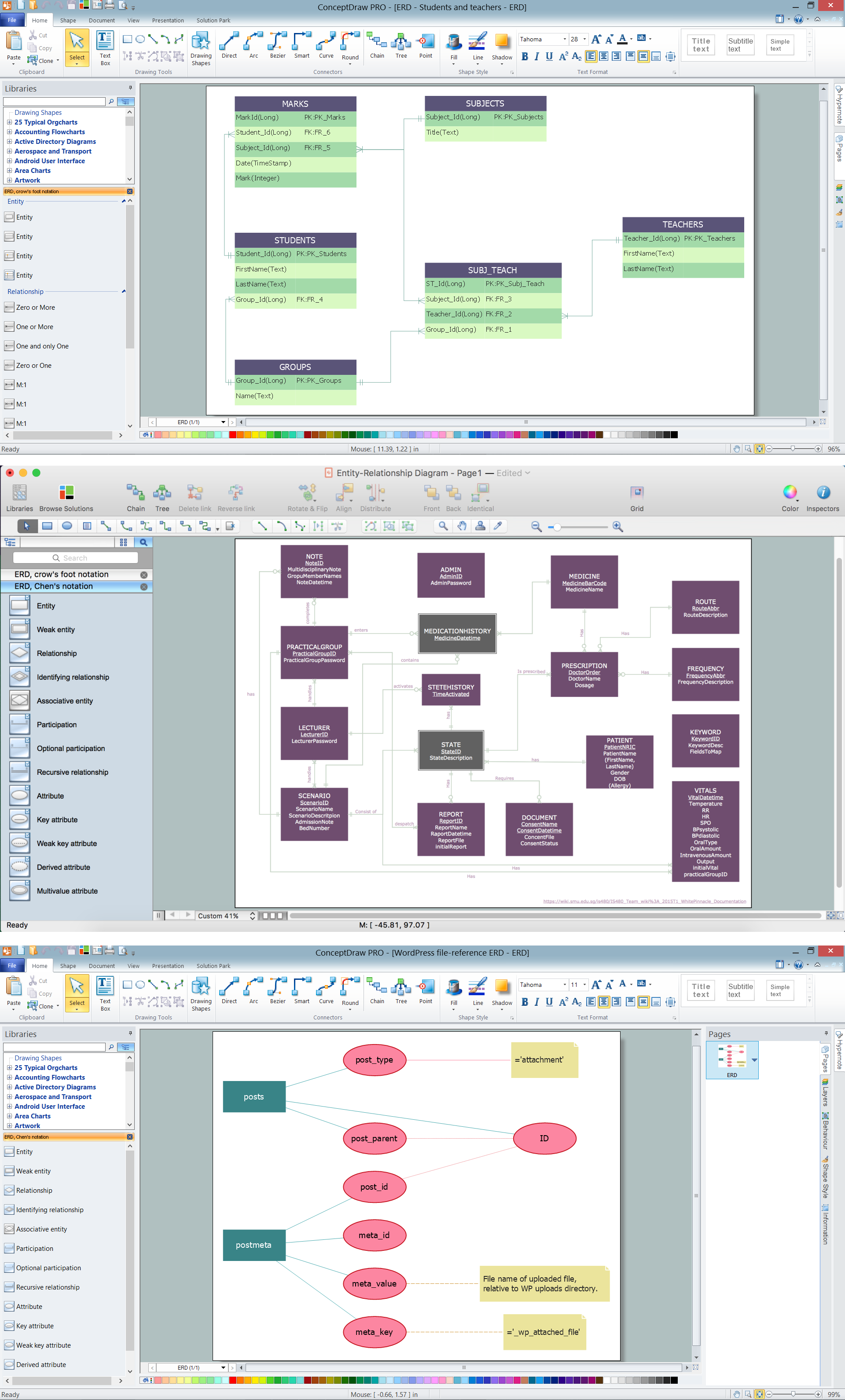
Picture: ER Diagram Styles
Related Solution:
The Internet is a huge world with unlimited possibilities. But with all its numerous advantages, the Internet also conceals many dangers and security threats, that's why we advise you to follow simple network security tips. ConceptDraw DIAGRAM diagramming and vector drawing software supplied with Network Security Diagrams Solution from the Computer and Networks Area of ConceptDraw Solution Park is an ideal software for easy designing Network Security Diagrams and attractive illustrations with effective network security tips.
Picture: Network Security Tips
Related Solution:
Pareto Chart design is now easier than ever thanks to the ConceptDraw DIAGRAM software and powerful drawing tools, 9 libraries with numerous vector objects, collection of professionally designed and well thought-out samples offered by Seven Basic Tools of Quality solution from the Quality area of ConceptDraw Solution Park.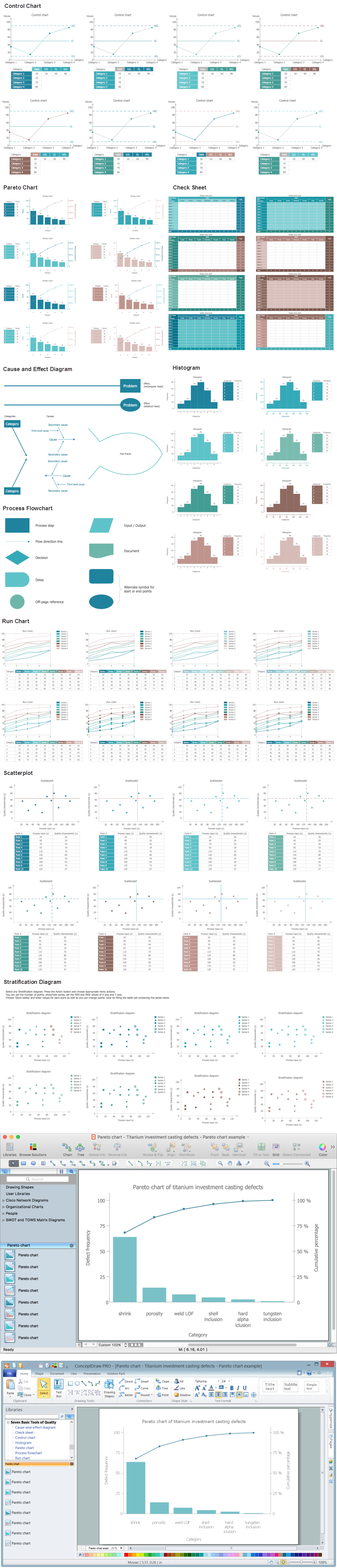
Picture: Seven Basic Tools of Quality - Pareto Chart
Related Solution:
From all the auxiliary business process tools, SWOT analysis always remains in the top place. It is difficult to answer what SWOT Analysis is in marketing in several paragraphs. This is a very powerful tool to understand all the circumstance of your business, it is important part of small business project management.
This SWOT analysis was carried out to discover strengths and weaknesses of the marketing strategy, as well as identify its opportunities. This SWOT diagram (matrix) was drawn in Conceptdraw DIAGRAM using its SWOT and TOWS Diagrams solution. Investigations of all constituents of a certain case will assist in considering strategy statements and during and making a decision. The SWOT analysis is the good tool for specifying marketing objectives discovering external and internal influences on accomplishing marketing objectives, this is critical tool for small business project management. ConceptDraw Office suite delivers SWOT diagram samples and tools in illustrative part of marketing project management software and project report software.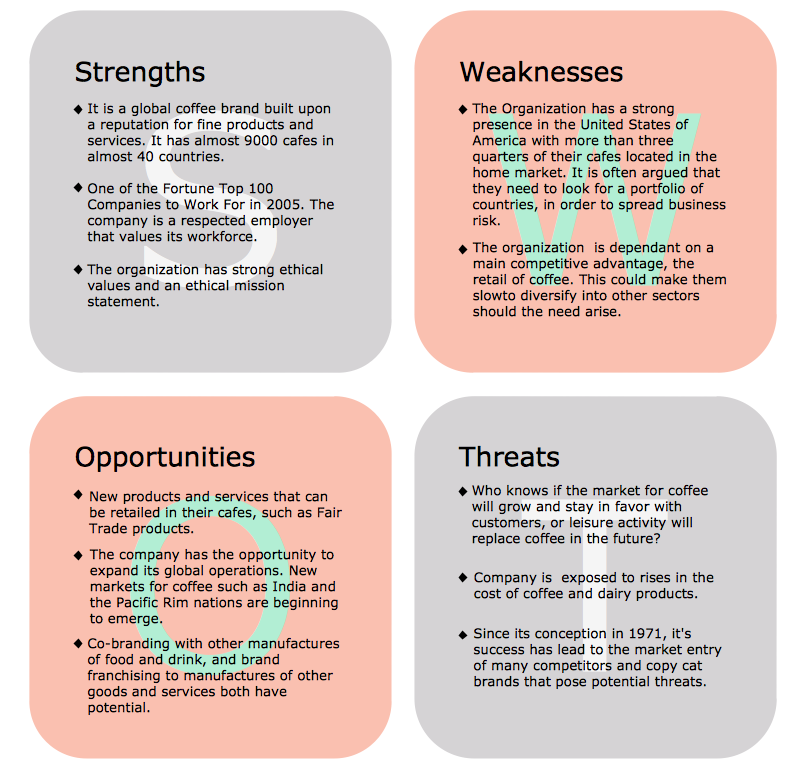
Picture: What is SWOT Analysis in Marketing
A cozy atmosphere is crucial for the success of any cafe or restaurant. To provide it, you should use restaurant floor plan software at the stage of design. If your establishment is located conveniently and has a harmonic atmosphere inside it, this is bound to be a success.
This sample Restaurant floor plan illustrates the possibilities of ConceptDraw solution for Cafe and Restaurant plans. It represents the location of the restaurant's main hall with its furnishing as well as a plan of kitchen and toilets. Generally, Cafe and Restaurant Plans solution has a big set vector images of tables, seats, lightening, etc. Using them you will be able to plan the restaurant of your desire with an incredible design and spirit.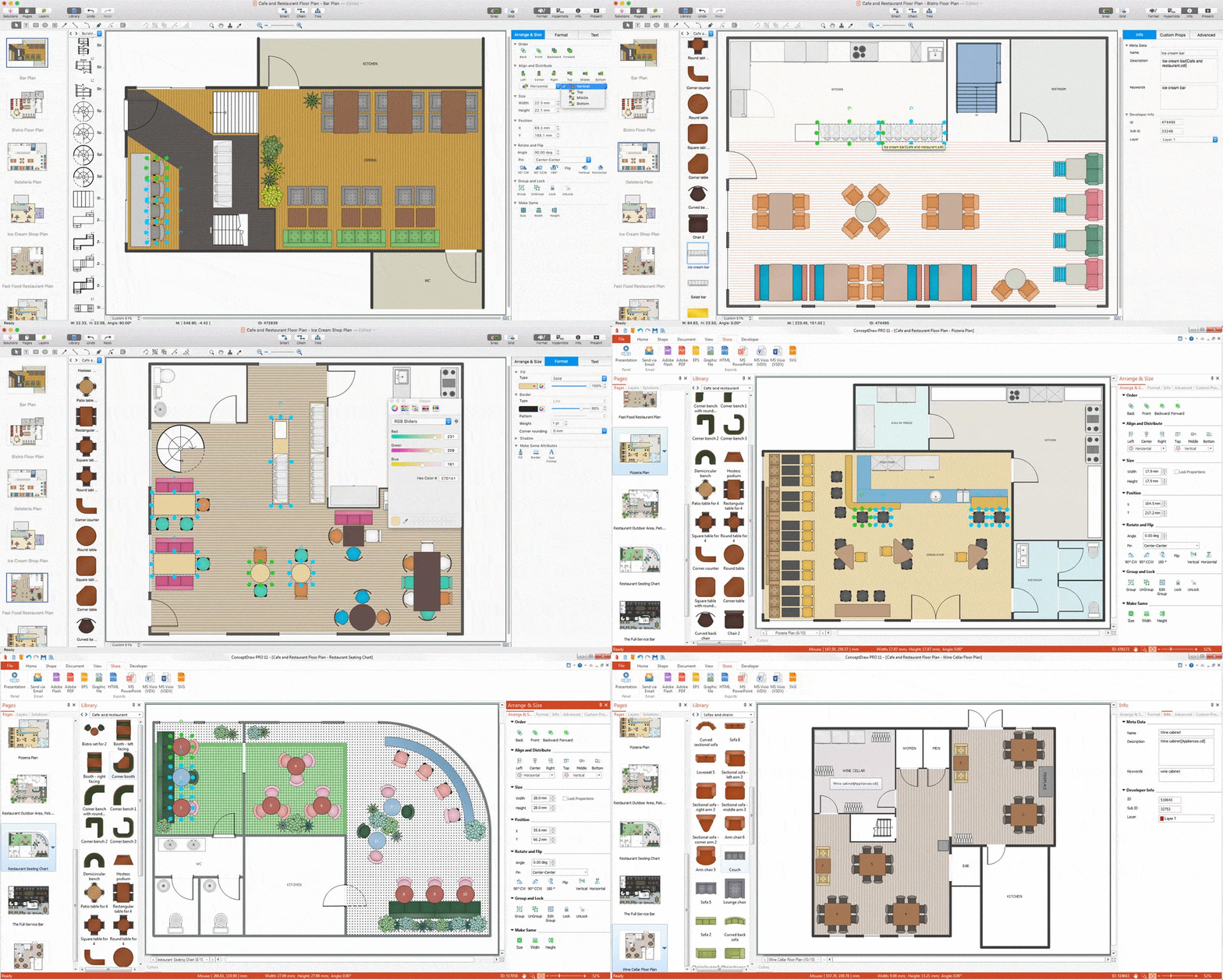
Picture: Restaurant Floor Plan Software
Related Solution:
ConceptDraw collection of vector elements for infographics design.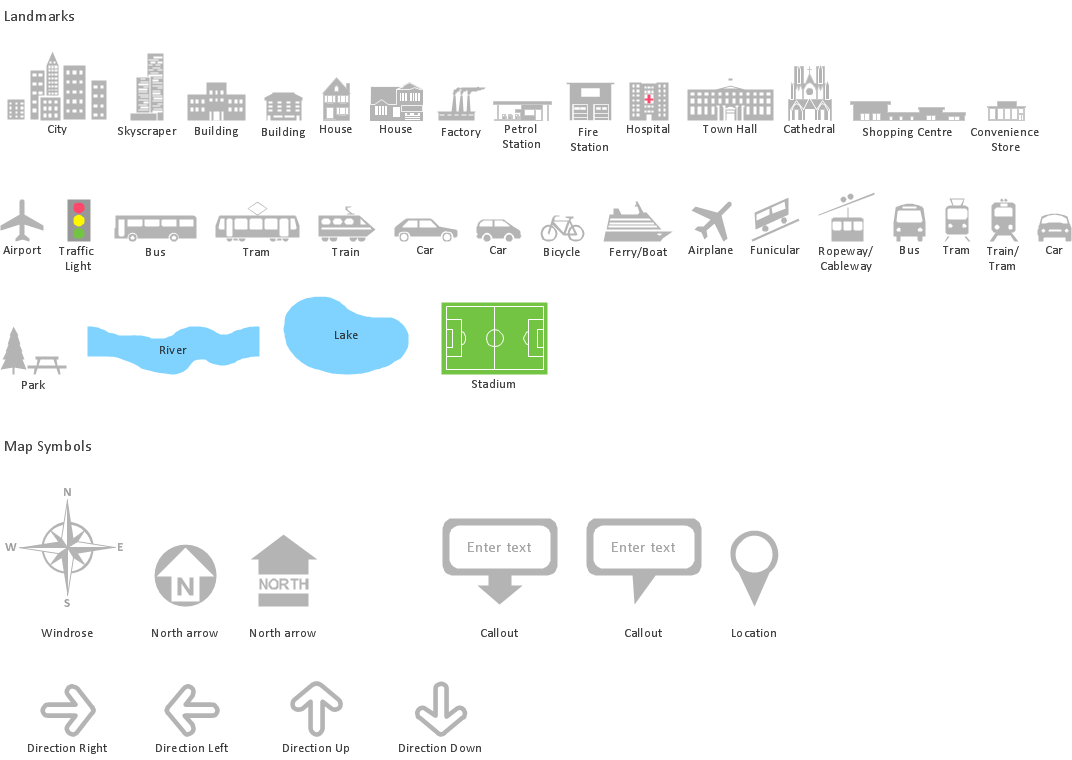
Picture: Map Infographic Design
Follow samples and map templates to create nfographic maps. It's super-easy!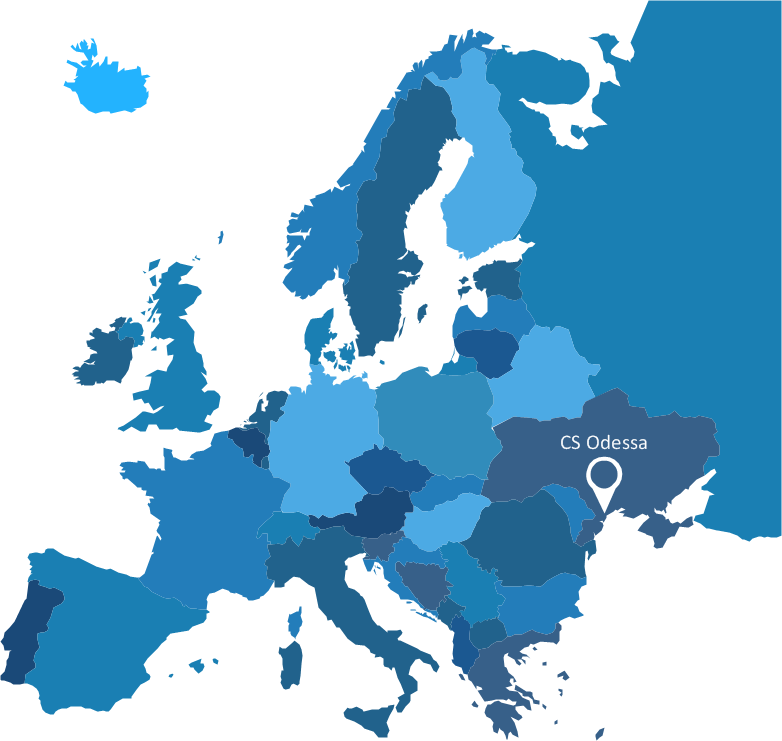
Picture: Map Infographic Creator
The Audio & Video Connectors solution contains a set of pre-designed objects, libraries, templates, and samples; allowing quick and easy diagramming of various configurations of audio and video devices.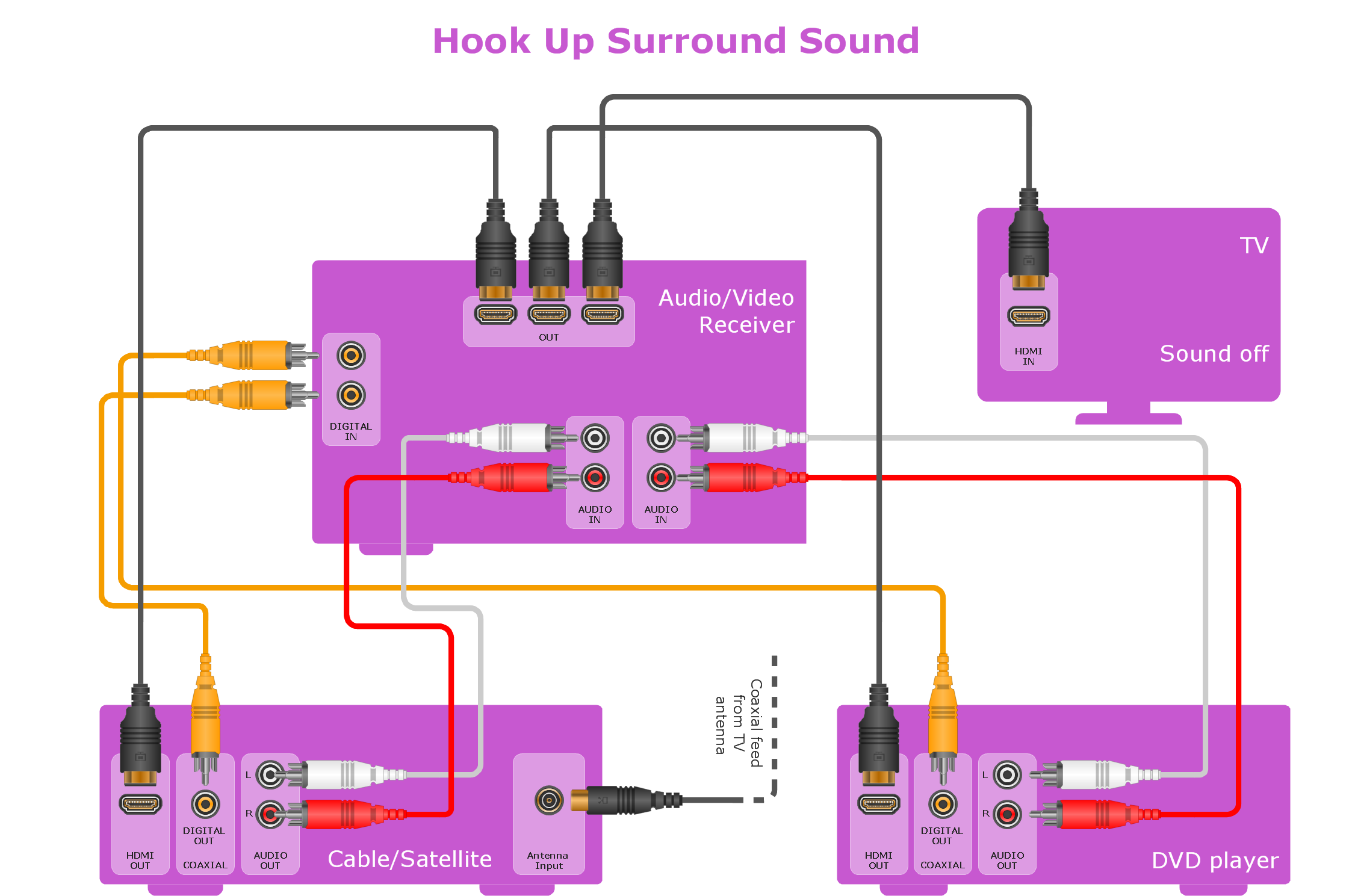
Picture: Making Your Audio and Video Connections
Related Solution: